Skip to content
Untamed Safari Experience
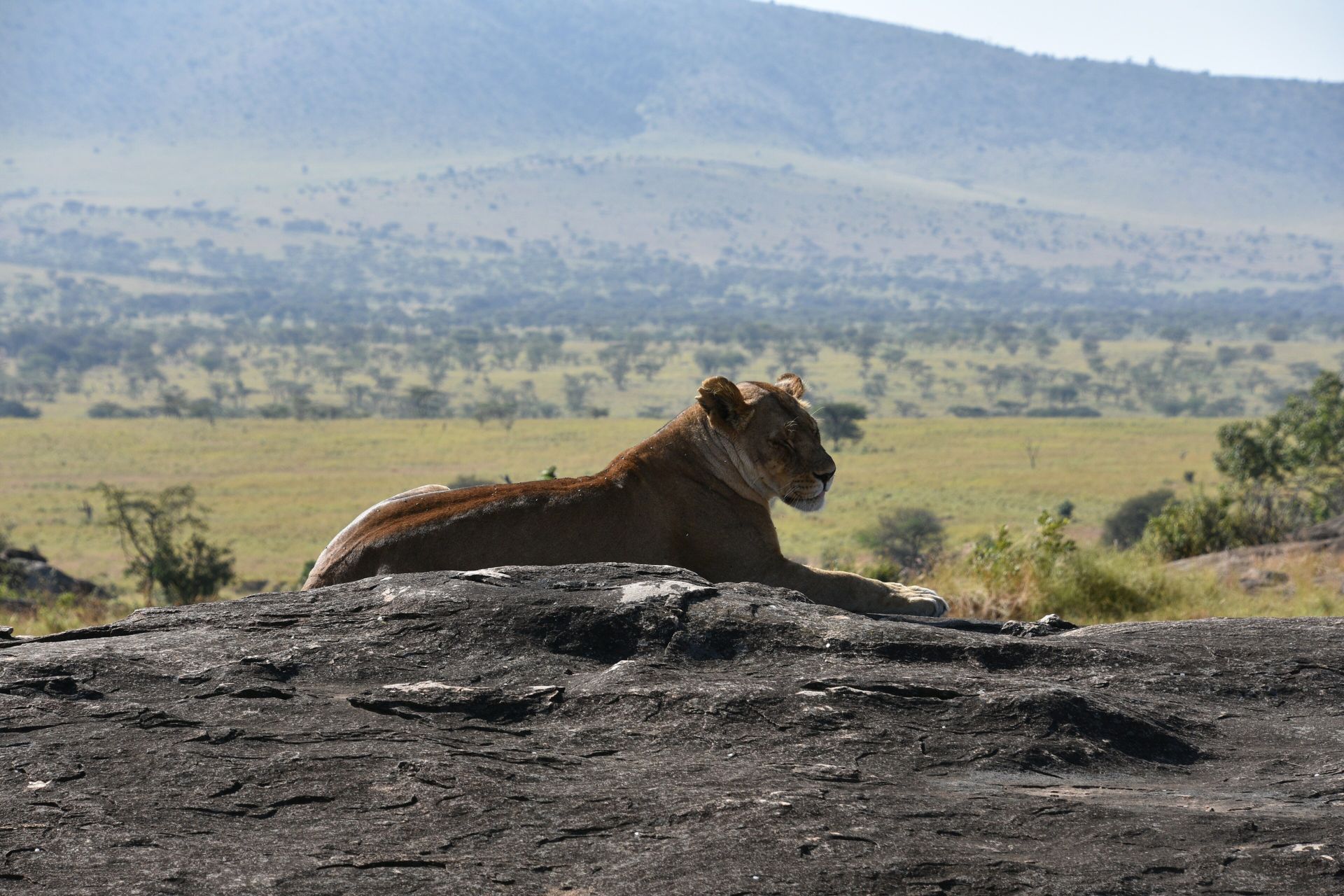
A lioness resting on a granite kopje above the Serengeti plains

National park / reserve

Serengeti National Park

Short-grass plains, granite kopjes and river woodland across north-western Tanzania, with resident big cats all year and the wildebeest migration moving through in a loop that follows the rains.

At a glance

Our journeys here
7 safaris
Time spent here
2–7 days
Journey length
4–12 days

A park that changes as you cross it

The Serengeti covers close to 15,000 square kilometres of north-western Tanzania, and it doesn't look the same from one end to the other. In the south, short-grass plains run flat to the horizon, broken by granite kopjes where lions lie up in the heat. The centre, around the Seronera valley, is acacia savannah cut by rivers that hold water long after the plains dry. The Western Corridor reaches towards Lake Victoria along the Grumeti River. The north is rolling, wooded country that runs up to the Mara River and the Kenyan border.

You won't see all of it in one visit, and you don't need to. The skill is in choosing the right corner for the month you travel.

Wildlife and landscape highlights

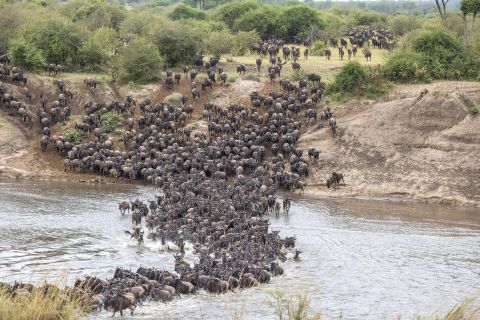
The headline is the great migration: well over a million wildebeest, with zebra and gazelle, circling the ecosystem as they follow rain and fresh grass. Because the herds keep moving, where you stay matters more here than anywhere else in Tanzania.

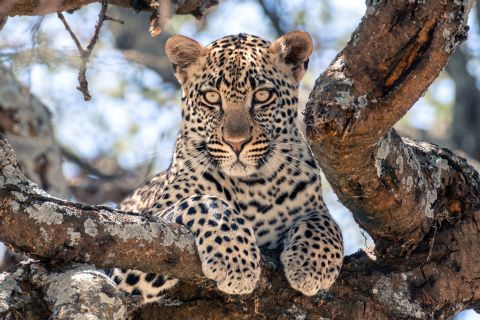
The resident animals stay put, which is why the Serengeti works in every month. Lion prides hold territory around Seronera and the kopjes. Leopard rest in the sausage trees and yellow-barked acacias along the Seronera River. Cheetah hunt the open plains of the south and east.

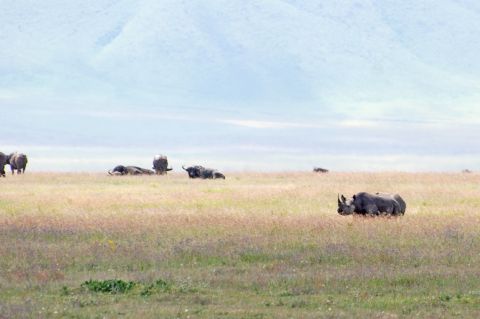
There's plenty more once you look past the cats. Elephant and buffalo favour the wooded north and west, crocodile wait in the Grumeti, and topi stand sentry on termite mounds. Kori bustard and secretary birds stride through the long grass.

Best time to visit

The pattern below holds in most years, but it shifts with the rains. Treat it as a tendency, not a timetable.

  • December to March: the herds usually gather on the southern plains around Ndutu. Calving tends to peak in February. Expect green grass and short afternoon storms.
  • April and May: the long rains. Southern roads get muddy, some seasonal camps close, and the herds begin moving north-west. Quiet and lush, if you're flexible.
  • June and July: the dry season begins. The herds often pass through the centre and the Western Corridor, where Grumeti River crossings are possible.
  • August to October: the herds are usually in the north, and Mara River crossings draw the most vehicles of the year.
  • November: the short rains start and the herds drift back south.

Central Serengeti is dependable all year for resident wildlife, so it's the safe choice if your dates are fixed.

How long to stay

Two nights is the minimum we'd suggest, and three is better. Getting in and out by road takes most of a day each way, so a single night leaves very little time on the plains. If you want central Serengeti and the north or south, plan four nights or more and split them between two camps.

Where it fits on a northern-circuit route

Most routes start in Arusha, spend a night or two in Tarangire or Lake Manyara, cross the Ngorongoro highlands and then drop onto the Serengeti plains. Many travellers fly back to Arusha from a Serengeti airstrip rather than drive the whole way again.

The 6-day Serengeti and Ngorongoro safari follows that shape. The 7-day great migration safari is planned around where the herds are likely to be in your month. For background on timing, read about great migration safaris and calving season safaris.

Practical notes

  • Getting there: by road through Naabi Hill gate from the Ngorongoro highlands. Karatu to central Serengeti takes about 4 to 5 hours, longer once you stop for game. Scheduled light aircraft also fly from Arusha to several Serengeti airstrips.
  • Roads: mostly gravel and often corrugated. Dust is heavy in the dry months, so bring a scarf or buff.
  • Temperature: days are warm. Early mornings and evenings on the open plains can be cool enough for a fleece.
  • Tsetse flies: present in wooded areas, especially in the west and north. Dark blue and black attract them, so pack neutral colours.
  • Where you stay: comfort-level lodges and tented camps cluster around Seronera. Luxury and ultra camps sit in quieter areas, and some seasonal camps move during the year to stay near the herds.

Plan your time

Through the year

Best months to visit

Best months to visit: January, February, March, June, July, August, September, October

  • Calving on the southern plains Dec–Mar

    The herds usually graze the short-grass plains around Ndutu and the far south. Calving tends to peak in February and predators follow the herds. Green landscapes, warm days and short afternoon storms.

    Calving on the southern plains

    Calving on the southern plains: January, February, March, December

  • Long rains Apr–May

    Heavy rain in most years. Some seasonal camps close and southern roads get muddy, but the plains are lush and visitor numbers drop. The herds start moving north-west through the centre.

    Long rains

    Long rains: April, May

  • Dry season and river crossings Jun–Oct

    Clear skies and thinning grass. The herds often move through the Western Corridor in June and July, then north, where Mara River crossings are most likely from August to October. The busiest months.

    Dry season and river crossings

    Dry season and river crossings: June, July, August, September, October

  • Short rains Nov–Nov

    The short rains return and the herds usually drift back south through the east of the park. Quieter roads, fresh green growth and good resident game in central Serengeti.

    Short rains

    Short rains: November

Things to do here

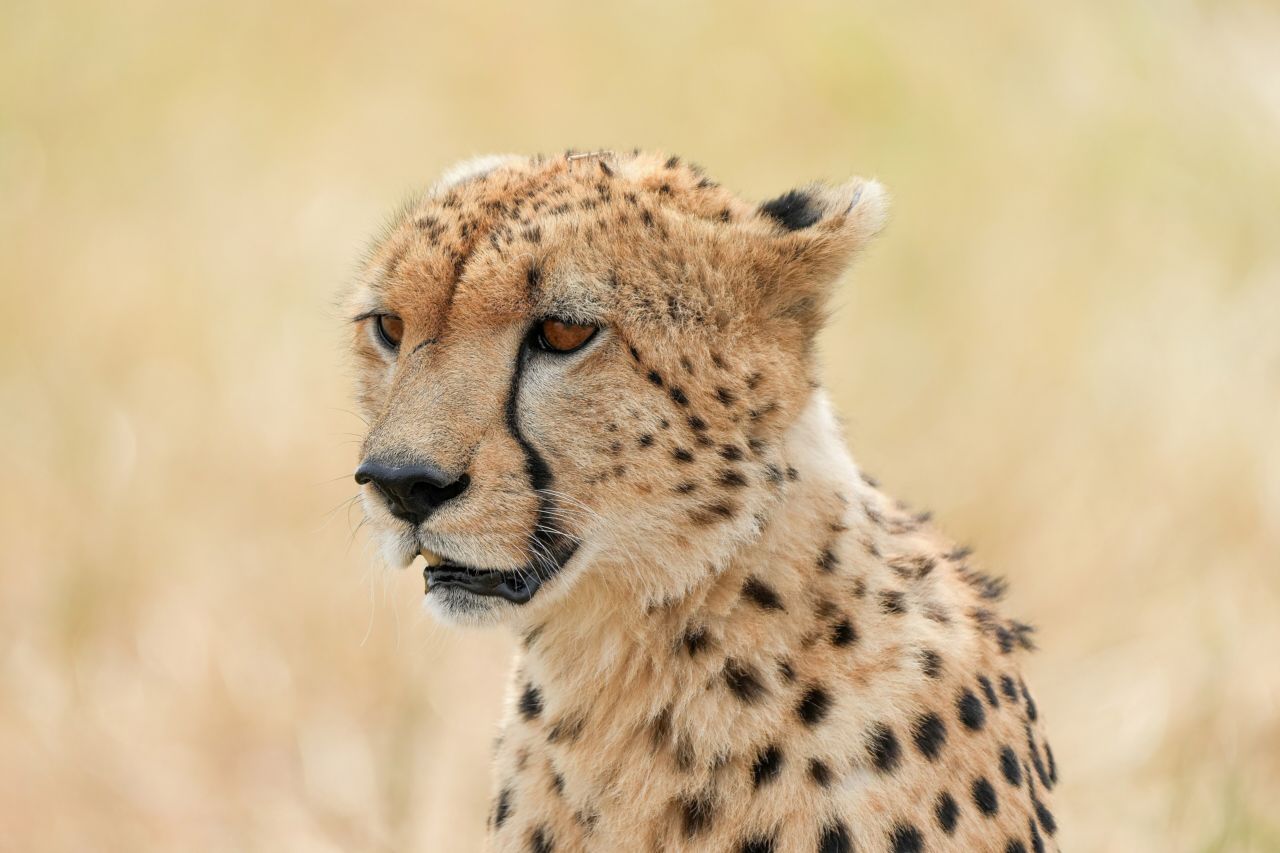
A cheetah looking out over pale grass

4 days · Private · Mid-range

4-Day Northern Circuit Safari

The shortest trip that reaches the Serengeti. One night near Tarangire, one in the central Serengeti and one on the Ngorongoro highlands, finishing with the crater. Driving makes days 2 and 3 long; flying one way is an option to ask about.
Questions travellers ask

Can we see the great migration in any month?

The herds are somewhere in the Serengeti ecosystem in every month, so the answer is usually yes, but where you find them changes. From December to March they're usually on the southern plains. Mid-year they move through the centre and west, and from about August to October they're often in the north. The rains shift this every year, so choose your camp with your month and that season's rains in mind.

Should we fly or drive into the Serengeti?

Driving takes you through the Ngorongoro highlands with game drives on the way, and keeps the same guide and vehicle with you throughout. Flying saves most of a day and spares you long gravel roads, which suits the far north or anyone short on time. Many itineraries do both: drive in, fly out. Light aircraft have strict luggage limits and usually ask for soft bags.

Can we take a hot-air balloon flight over the Serengeti?

Balloon flights operate in parts of the Serengeti and can be added to your itinerary, subject to availability. They lift off around dawn, spend about an hour in the air and usually finish with breakfast out on the plains. Flights depend on the weather on the day and on where the balloon operators are based that season, so book early if it matters to you.

Is Ndutu part of the Serengeti?

Not officially. The Ndutu area sits inside the Ngorongoro Conservation Area, on the edge of the southern Serengeti plains. There's no fence between the two and the herds move freely across the boundary. It matters because the herds spend much of the calving season around Ndutu, and the permits and rules differ between the two areas, which your itinerary has to allow for.

Is a river crossing guaranteed in the dry season?

No. Mara River crossings usually happen between about August and October, but the herds cross when they choose: sometimes several times in a day, sometimes not for days. Guides often wait for hours at a likely crossing point. Three or four nights in the north give you a much better chance than one, and the waiting is part of the experience.

Plan a journey that includes Serengeti National Park

Tell us when you would like to travel and what matters to you. We will suggest how long to give Serengeti National Park and what to pair it with.