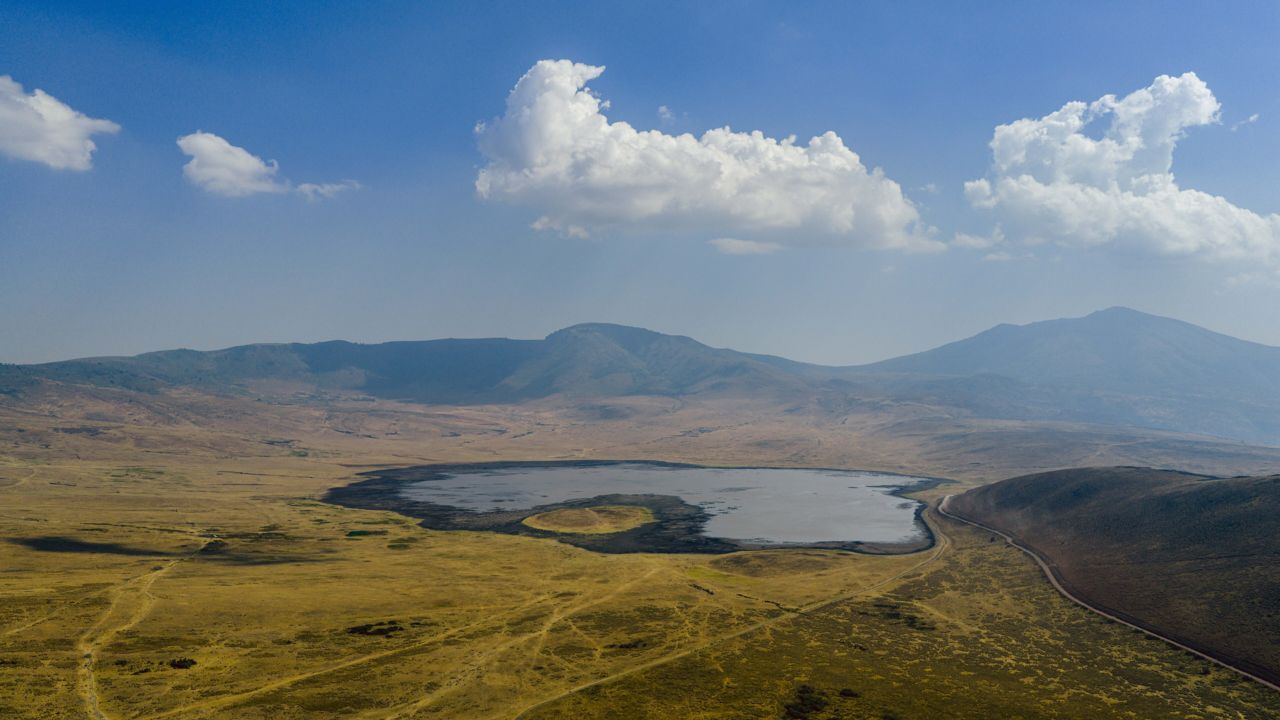
Ngorongoro Crater
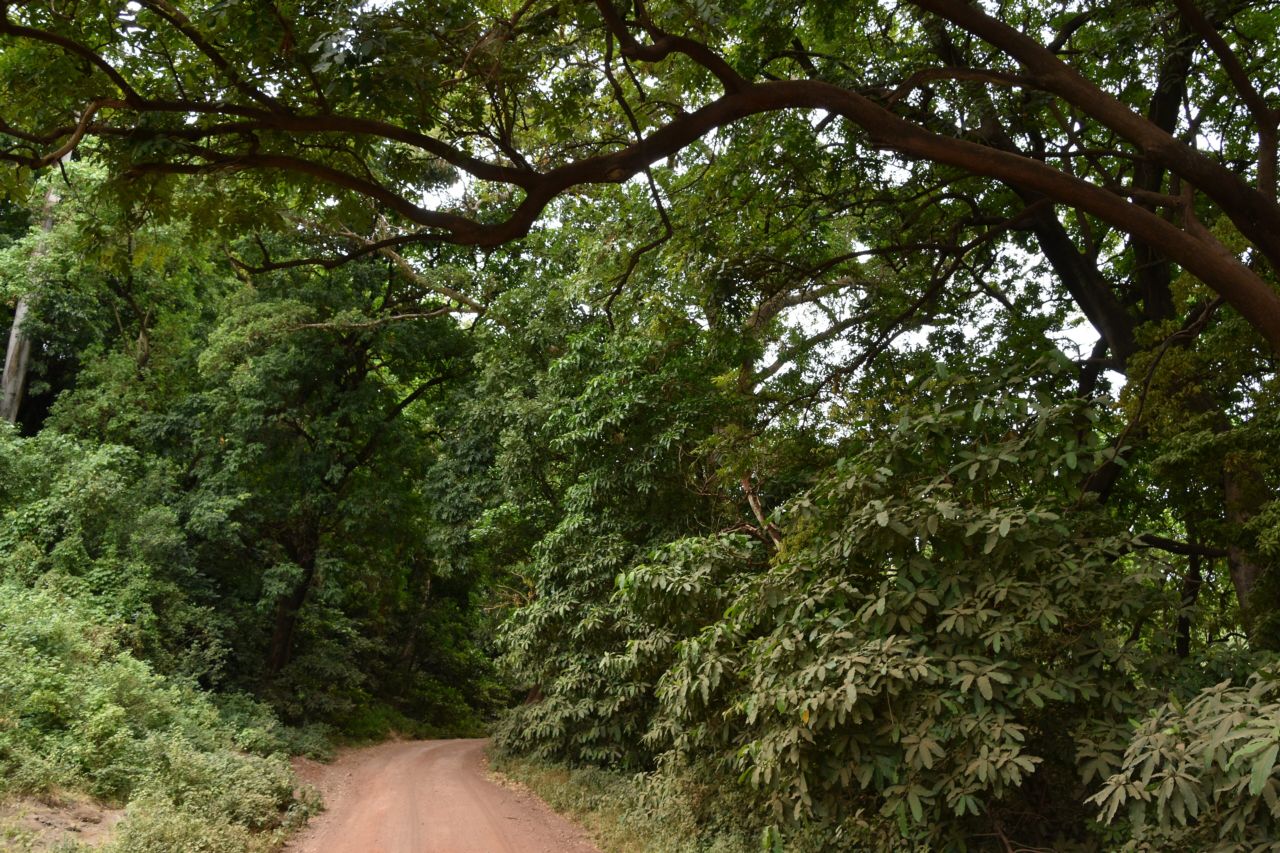
A collapsed volcano about 600 metres deep, its floor a closed world of grassland, soda lake, swamp and the Lerai forest, with black rhino, lion and big buffalo herds within a single game drive.

Where our journeys go: what each place is like, when it is at its best, and how long to give it.
Tell us when you can travel and what you most want to see. We will suggest the places that fit, and how long to give each.
A collapsed volcano about 600 metres deep, its floor a closed world of grassland, soda lake, swamp and the Lerai forest, with black rhino, lion and big buffalo herds within a single game drive.
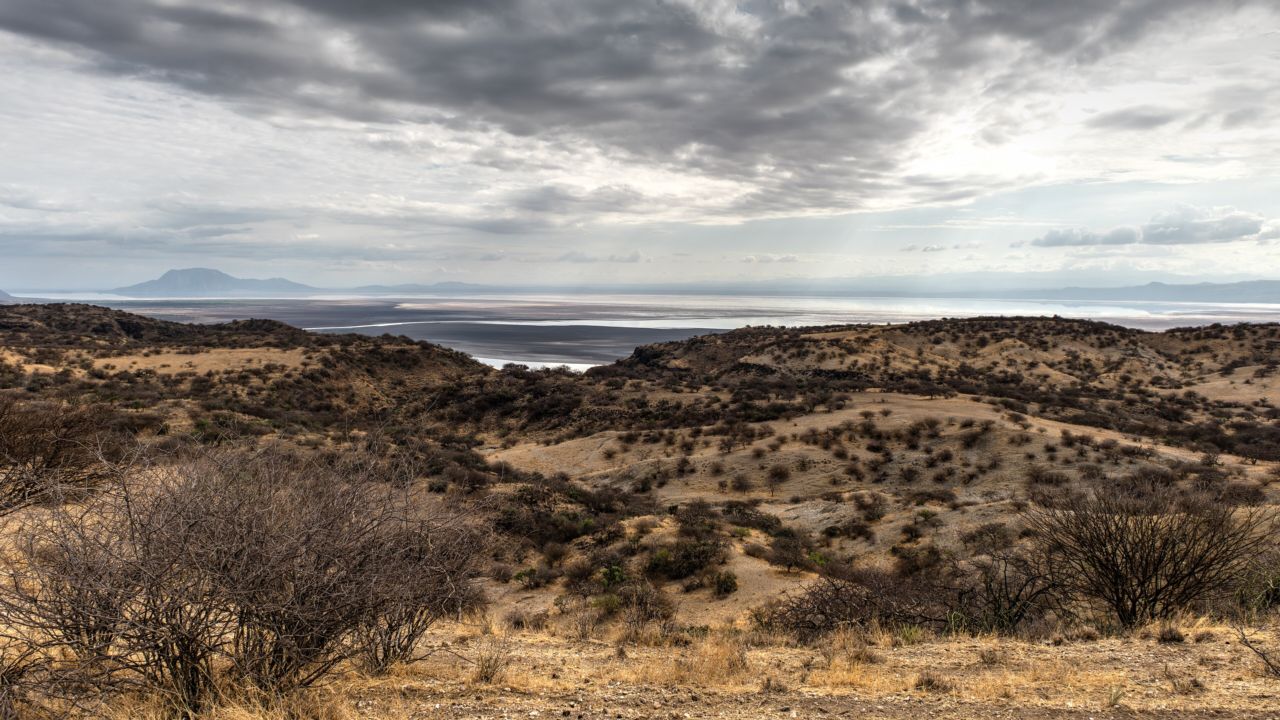
We will suggest the order, the pace and where to stay.
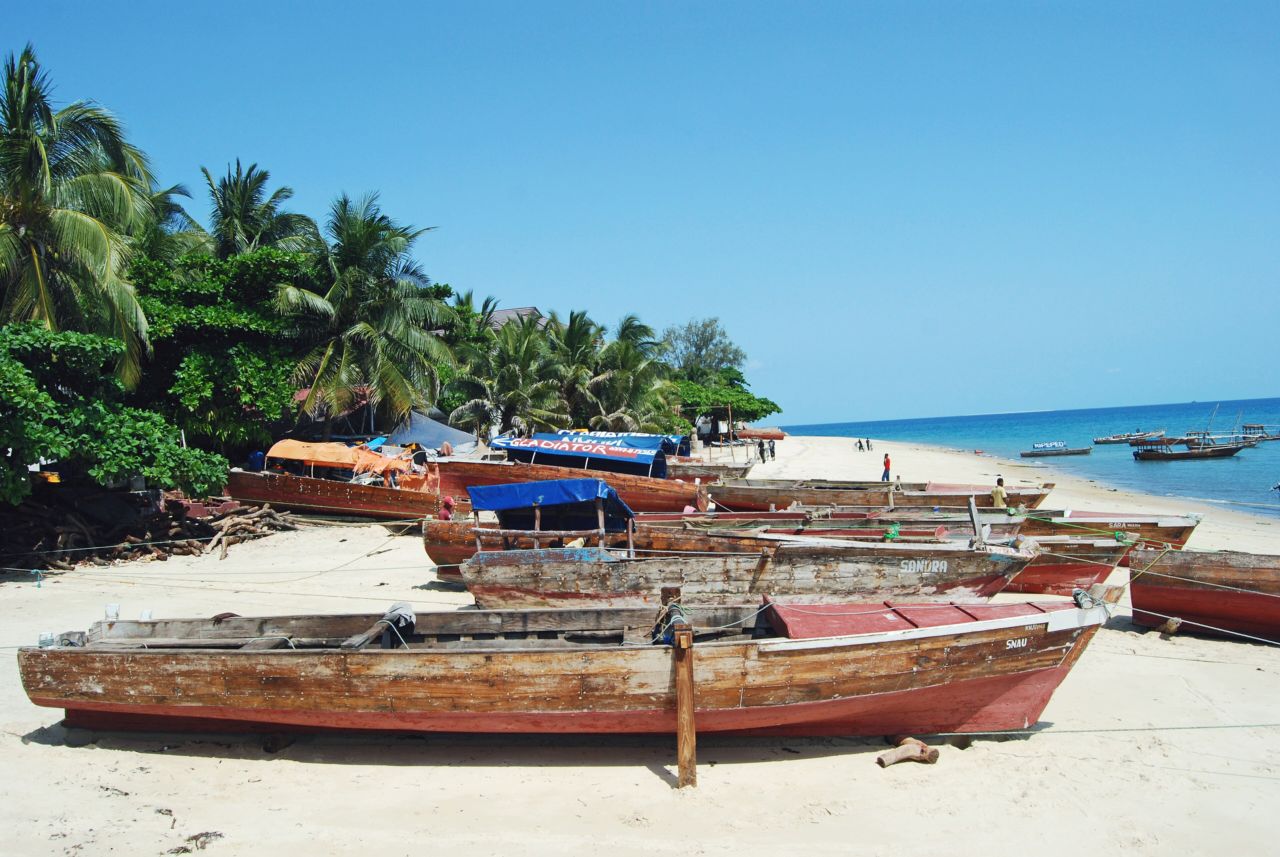
The main island of the Zanzibar Archipelago, off Tanzania's coast: Stone Town's carved doors and alleys, spice farms, coral reefs and white-sand beaches. A beach extension after safari, not a safari destination.
The seasons we plan around at each place. Wildlife follows the rain, so the exact timing shifts a little from year to year.
| Place and season | J | F | M | A | M | J | J | A | S | O | N | D |
|---|---|---|---|---|---|---|---|---|---|---|---|---|
| Serengeti National Park Serengeti National Park: Calving on the southern plains | January: Calving on the southern plains | February: Calving on the southern plains | March: Calving on the southern plains | December: Calving on the southern plains | ||||||||
| Serengeti National Park: Long rains | April: Long rains | May: Long rains | ||||||||||
| Serengeti National Park: Dry season and river crossings | June: Dry season and river crossings | July: Dry season and river crossings | August: Dry season and river crossings | September: Dry season and river crossings | October: Dry season and river crossings | |||||||
| Serengeti National Park: Short rains | November: Short rains | |||||||||||
| Ngorongoro Crater Ngorongoro Crater: Dry season | June: Dry season | July: Dry season | August: Dry season | September: Dry season | October: Dry season | |||||||
| Ngorongoro Crater: Short rains and green season | January: Short rains and green season | February: Short rains and green season | March: Short rains and green season | November: Short rains and green season | December: Short rains and green season | |||||||
| Ngorongoro Crater: Long rains | April: Long rains | May: Long rains | ||||||||||
| Tarangire National Park Tarangire National Park: Dry season | June: Dry season | July: Dry season | August: Dry season | September: Dry season | October: Dry season | |||||||
| Tarangire National Park: Green season | January: Green season | February: Green season | March: Green season | April: Green season | May: Green season | November: Green season | December: Green season | |||||
| Lake Manyara National Park Lake Manyara National Park: Dry season | June: Dry season | July: Dry season | August: Dry season | September: Dry season | October: Dry season | |||||||
| Lake Manyara National Park: Short rains and green season | January: Short rains and green season | February: Short rains and green season | March: Short rains and green season | November: Short rains and green season | December: Short rains and green season | |||||||
| Lake Manyara National Park: Long rains | April: Long rains | May: Long rains | ||||||||||
| Arusha National Park Arusha National Park: Warm dry spell | January: Warm dry spell | February: Warm dry spell | ||||||||||
| Arusha National Park: Long rains | March: Long rains | April: Long rains | May: Long rains | |||||||||
| Arusha National Park: Dry season | June: Dry season | July: Dry season | August: Dry season | September: Dry season | October: Dry season | |||||||
| Arusha National Park: Short rains | November: Short rains | December: Short rains | ||||||||||
| Mount Kilimanjaro Mount Kilimanjaro: Warm dry window | January: Warm dry window | February: Warm dry window | March: Warm dry window | |||||||||
| Mount Kilimanjaro: Long rains | April: Long rains | May: Long rains | ||||||||||
| Mount Kilimanjaro: Main dry season | June: Main dry season | July: Main dry season | August: Main dry season | September: Main dry season | October: Main dry season | |||||||
| Mount Kilimanjaro: Short rains | November: Short rains | December: Short rains | ||||||||||
| Lake Natron Lake Natron: Cooler dry months | June: Cooler dry months | July: Cooler dry months | August: Cooler dry months | September: Cooler dry months | October: Cooler dry months | |||||||
| Lake Natron: Short rains | November: Short rains | December: Short rains | ||||||||||
| Lake Natron: Hot season | January: Hot season | February: Hot season | ||||||||||
| Lake Natron: Long rains | March: Long rains | April: Long rains | May: Long rains | |||||||||
| Lake Eyasi Lake Eyasi: Dry season | June: Dry season | July: Dry season | August: Dry season | September: Dry season | October: Dry season | |||||||
| Lake Eyasi: Rains | January: Rains | February: Rains | March: Rains | April: Rains | May: Rains | November: Rains | December: Rains | |||||
| Zanzibar Zanzibar: Hot season | January: Hot season | February: Hot season | March: Hot season | December: Hot season | ||||||||
| Zanzibar: Long rains | April: Long rains | May: Long rains | ||||||||||
| Zanzibar: Cool dry season | June: Cool dry season | July: Cool dry season | August: Cool dry season | September: Cool dry season | October: Cool dry season | |||||||
| Zanzibar: Short rains | November: Short rains |
For classic game viewing, the best time to visit Tanzania is usually the long dry season from June to October, when the grass is short and animals gather near water. January and February are often just as good in the southern Serengeti, where the wildebeest calve. The long rains (roughly March to May) and the short rains (roughly November to December) bring green landscapes and fewer vehicles. Exact timing varies from year to year.
In most years the wildebeest herds spend roughly December to March on the southern Serengeti plains, where calving usually peaks in February. From April to June they move north and west through the central Serengeti and the Western Corridor. From about July to October they are often in the northern Serengeti and Kenya's Maasai Mara, crossing the Mara River. In November they head south again. The herds follow the rain, so timing shifts every year.
Pack light, in a soft bag: light-aircraft flights between parks usually limit luggage to around 15 kg per person, so confirm the limit with your airline. Bring clothes in neutral colours such as khaki, olive and grey, and avoid dark blue and black in tsetse areas. Add warm layers for cold early drives and Ngorongoro Crater rim mornings, a sun hat, sunscreen, insect repellent, binoculars and any medication in your hand luggage.
Tell us when you would like to travel and what matters to you. We will suggest which places to combine, how long to give each and where to stay.