Skip to content
Untamed Safari Experience
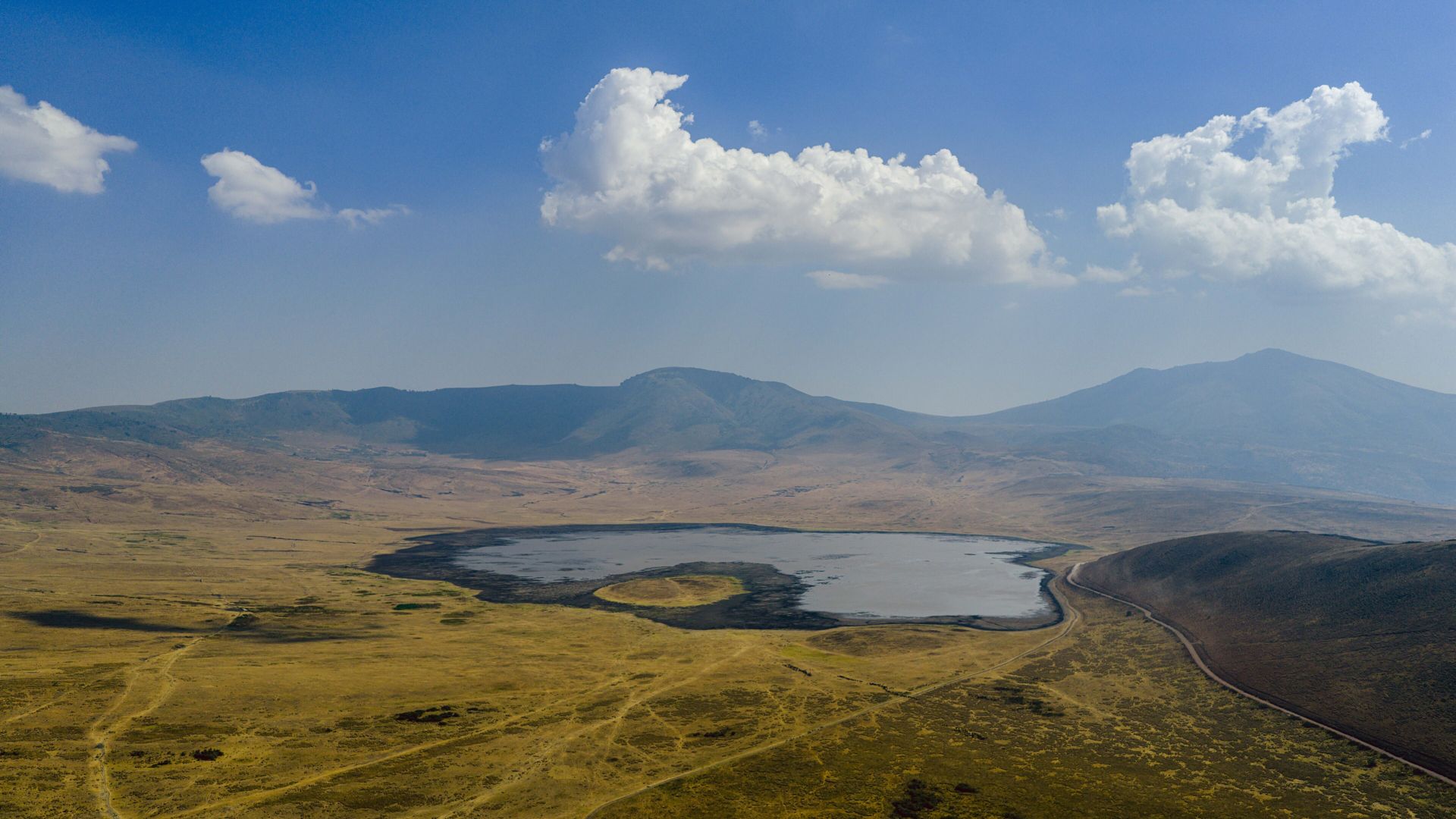
The Ngorongoro Crater floor with Lake Magadi, seen from the crater rim

Area

Ngorongoro Crater

A collapsed volcano about 600 metres deep, its floor a closed world of grassland, soda lake, swamp and the Lerai forest, with black rhino, lion and big buffalo herds within a single game drive.

At a glance

Our journeys here
8 safaris
Time spent here
1 day
Journey length
3–12 days

A caldera you drive into

Ngorongoro Crater is the collapsed caldera of an ancient volcano in the highlands between the Rift Valley and the Serengeti plains. Its walls drop about 600 metres from the rim to a floor of roughly 260 square kilometres. Down there you'll find open grassland, the soda water of Lake Magadi, reed swamps, the Ngoitokitok spring and the yellow fever trees of the Lerai forest.

The crater is the centre of the wider Ngorongoro Conservation Area, a UNESCO World Heritage Site. It's a multiple-use area rather than a national park, so on the highland roads you'll pass Maasai herders moving their cattle between villages and grazing.

Wildlife on the crater floor

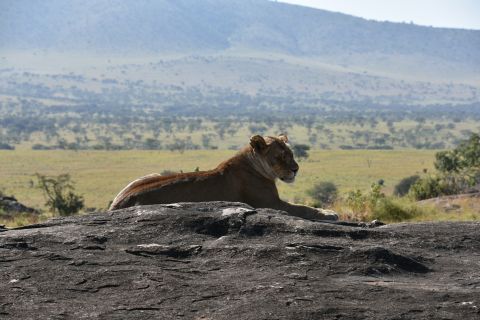
The walls keep a dense population of animals close together, and most of them stay all year. Buffalo, wildebeest and zebra graze the grassland in large numbers. Lion and spotted hyena are common, and golden jackal trot along the tracks.

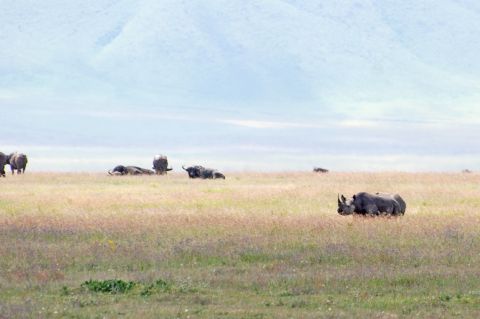
The crater is also one of the most reliable places in Tanzania to see black rhino. Sightings are usually at a distance across open ground, so bring binoculars.

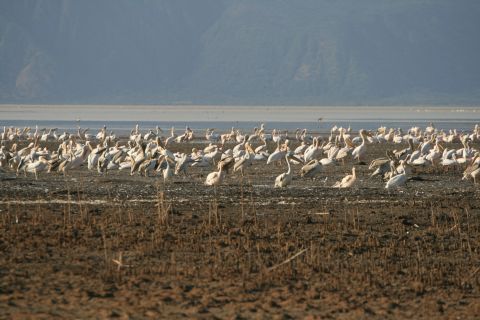
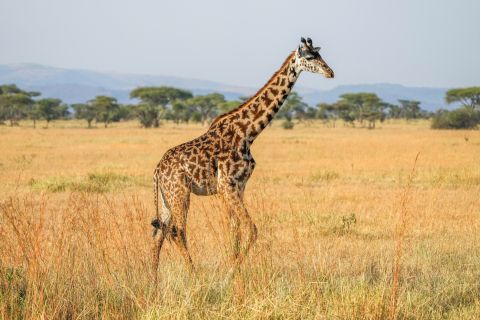
Hippo wallow in the pools near the picnic sites. Elephant, mostly old bulls with heavy tusks, browse in the Lerai forest and the swamps. Flamingo gather on Lake Magadi when the water level suits them. What you won't see on the floor is giraffe, which surprises a lot of first-time visitors.

Best time to visit

Because the wildlife is resident, the crater works in every month. What changes is the weather and the number of vehicles.

  • June to October: dry and clear, with the easiest game viewing and the most vehicles. Nights on the rim are cold.
  • November to March: green season, with the short rains usually falling in November and December. The floor turns green, migrant birds arrive and, outside the holidays, there's less traffic.
  • April and May: the long rains. Mist often sits on the rim in the morning, the roads get slippery and some lodges close, but you'll share the floor with far fewer people.

How long to stay

One full game drive on the floor is enough for most travellers. Plan at least one night on the highlands so you can be at the gate early. Two nights give you time for a guided walk on the rim, a stop at Olduvai Gorge on the way west, or a dawn visit to Lake Eyasi.

Where it fits on a northern-circuit route

Ngorongoro is the hinge of the northern circuit. It sits between Tarangire and Lake Manyara to the east and the Serengeti to the west, so nearly every route passes through.

On a short trip it's the highlight. The 3-day Tarangire and Ngorongoro safari pairs it with Tarangire's elephants. On longer routes such as the 5-day classic Tanzania safari, you'll usually drive the crater on the way to or from the Serengeti. It's a core stop on any classic wildlife safari.

Practical notes

  • Altitude and temperature: the rim sits at roughly 2,300 metres and the floor at about 1,700 metres. Rim mornings and nights are cold, especially from June to August, so pack a warm fleece, a jacket and a hat.
  • Where you stay: comfort-level lodges usually sit in the farmland and coffee country around Karatu, under an hour from the crater gate. On a luxury itinerary you may stay on the rim itself, looking straight down at the floor.
  • Time on the floor: park rules limit how long each vehicle may spend on the floor, and nobody stays there overnight. Most guides go down soon after the gates open.
  • Picnics: kites are bold at the picnic sites and will snatch food from your hand. Eat inside the vehicle.
  • Roads: the descent and ascent roads are steep and narrow, and they're one-way in places.

Plan your time

Through the year

Best months to visit

Best months to visit: January, February, June, July, August, September, October, December

  • Dry season Jun–Oct

    Clear skies, short grass and the easiest game viewing on the crater floor. This is also the busiest time, and nights on the rim are cold enough for warm layers.

    Dry season

    Dry season: June, July, August, September, October

  • Short rains and green season Nov–Mar

    Showers usually fall in November and December, then the weather settles. The floor turns green, migrant birds arrive and there are fewer vehicles outside the holiday weeks.

    Short rains and green season

    Short rains and green season: January, February, March, November, December

  • Long rains Apr–May

    The wettest months. Morning mist on the rim and slippery roads, and some lodges close. The resident wildlife stays, so the floor is quiet and rewarding if you don't mind the rain.

    Long rains

    Long rains: April, May

Things to do here

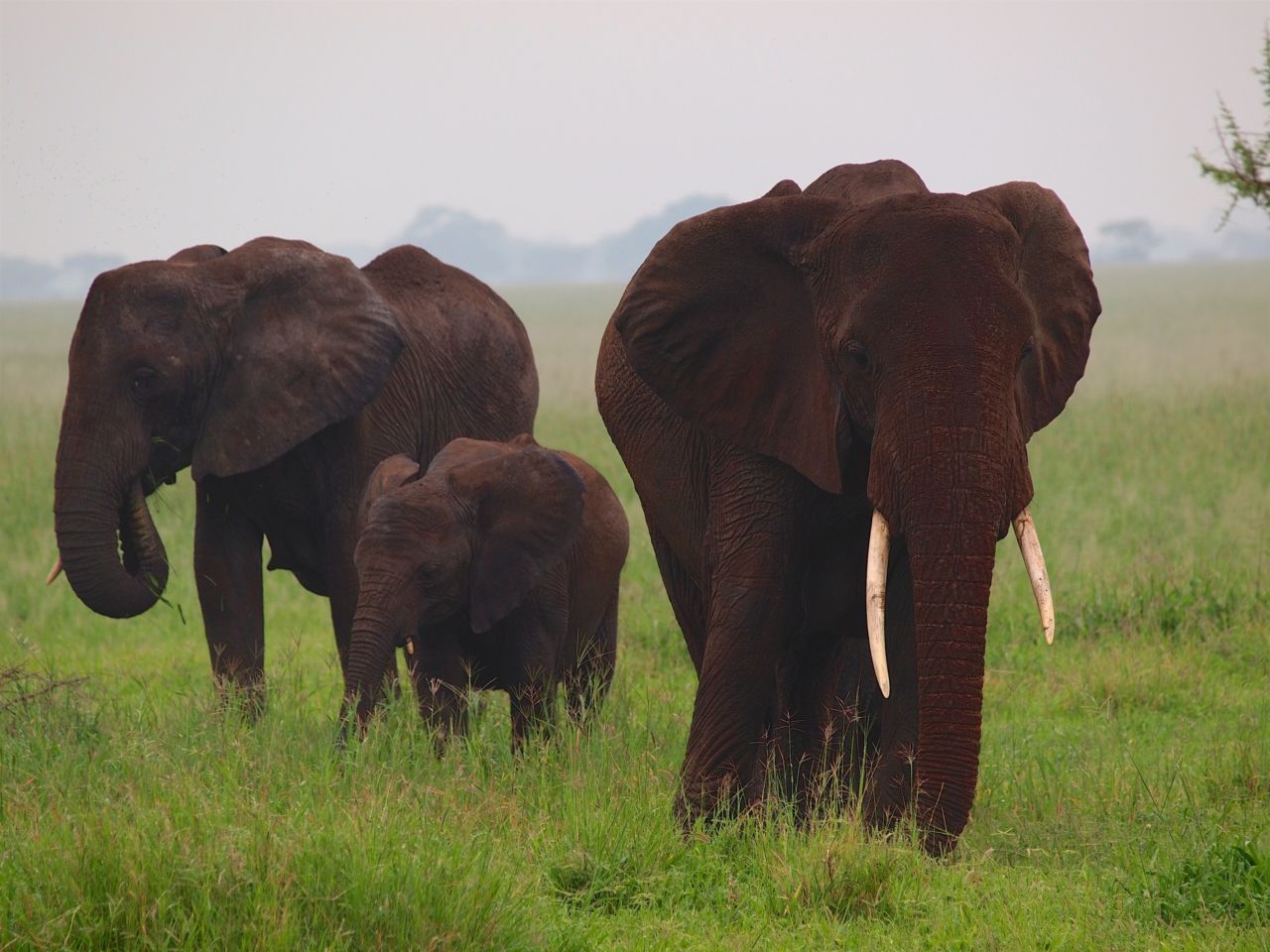
Elephants red with dust standing in green grass

3 days · Private · Mid-range

3-Day Tarangire and Ngorongoro Safari

A short private safari for travellers with three days to spare. You get an afternoon and a morning with Tarangire's elephants, a night on the cool Ngorongoro highlands, then a day in the crater before the drive back to Arusha.
Questions travellers ask

How long can we spend on the crater floor?

Park rules limit how long each vehicle may stay on the floor per visit, and the rule has changed over the years, so the current limit is confirmed when your day is planned. In practice most visitors go down soon after the gates open, stop for a picnic lunch at a designated site and drive up in the early afternoon. That is enough for a thorough game drive.

How cold is it on the crater rim?

Colder than most people expect. The rim sits at roughly 2,300 metres, and early mornings and evenings are chilly all year, especially from June to August. Mist is common at dawn. Pack a warm fleece, a windproof jacket and a hat for the drive down. The floor is lower and warms up quickly once the sun is out, so wear layers you can take off.

Will we see black rhino in the crater?

There's a good chance, but no guarantee. The crater holds a small population of black rhino, and they're often seen grazing on the open grassland, usually some distance from the road. Binoculars or a long camera lens make a real difference. Your guide will know the areas they favour and share news with other guides during the day.

Is the crater worth visiting in the rainy season?

Yes, for most travellers. The animals live in the crater all year, so the rains don't empty it. April and May bring the heaviest rain, misty mornings and slippery roads, and some lodges close, but you'll share sightings with far fewer vehicles. From November to March the floor is green and the light after a storm is excellent for photography.

Plan a journey that includes Ngorongoro Crater

Tell us when you would like to travel and what matters to you. We will suggest how long to give Ngorongoro Crater and what to pair it with.