Kilimanjaro climb and safari
Climbing Africa's highest mountain and then resting your legs on safari: how the two fit together, which order works best and what to plan for. Climb arrangements are confirmed when you enquire.
A mountain and the plains in one trip
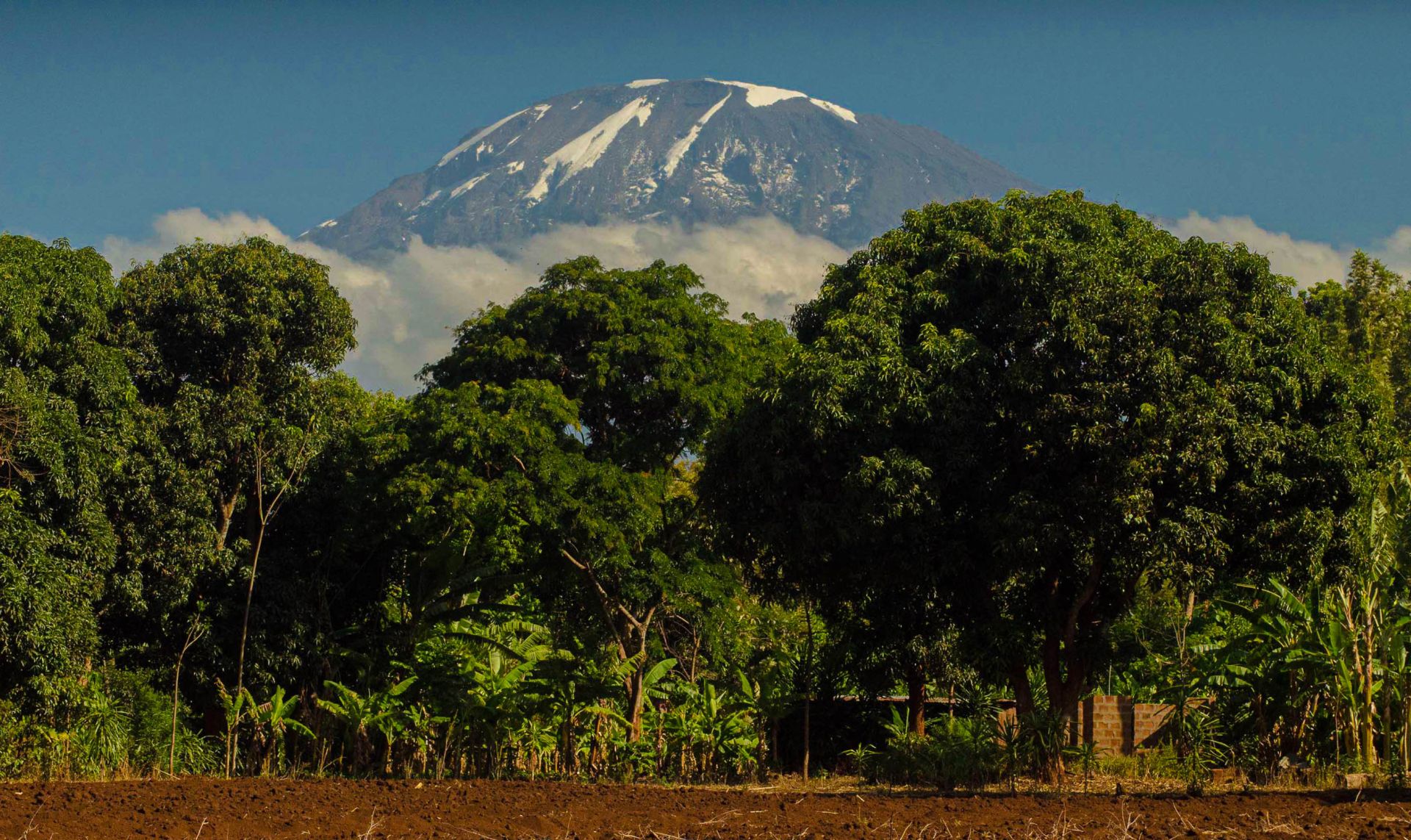
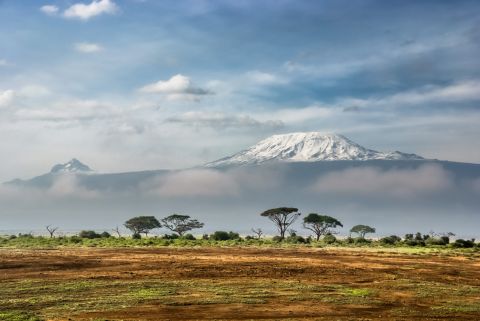
Kilimanjaro and the northern circuit sit close together, so many travellers combine a climb with a safari. You reach Uhuru Peak at 5,895 metres, then spend a few days watching wildlife from a vehicle, which is about the best way there is to recover from a week on your feet.
The mountain is covered on our Mount Kilimanjaro page. If a climb is part of your plans, tell us when you enquire and we'll talk through how it could fit with your safari and confirm what we can arrange for your dates.
Who it suits
Fit, motivated travellers with at least ten days to two weeks, who want both a physical challenge and wildlife. You don't need climbing experience, but you do need stamina, and a willingness to turn back if altitude says so.
How the pieces fit
Climb first, then safari. This is the most common order. After the climb, game drives let your body recover while you still see Tarangire, the Ngorongoro Crater and the Serengeti. You finish the trip relaxed rather than exhausted.
A warm-up before the climb. Some travellers start with a gentle day walking in Arusha National Park to begin adjusting to altitude and shake off the flight.
A beach to finish. Zanzibar after the climb and the safari is a popular ending.
What to expect
Most climbs spend about 6 to 9 days on the mountain, depending on the route. Longer itineraries give your body more time to adjust and usually improve your chances of reaching the summit. Add a night before and after the climb in Moshi or Arusha, then the safari.
Comfort levels
The climb itself is camping or simple huts, whatever comfort level you choose for the rest. Many travellers treat the safari as the reward and stay at a higher comfort level after the climb than they might otherwise choose.
Practical considerations
- Insurance: check that your policy covers trekking to 6,000 metres and emergency evacuation.
- Health: see your doctor before booking, especially with heart or lung conditions.
- Packing: you'll need two sets of kit, one for the mountain and one for safari. Pack in soft bags, and ask about storing safari luggage while you climb.
- Seasons: January to early March and June to October are the main climbing seasons. The long rains in April and May make climbing much harder.
A Zanzibar beach extension rounds off the trip, and our Kilimanjaro climb and safari guide goes into more detail.
Share your dates and fitness level on the plan your safari page and we'll start from there.
Where it happens
Questions travellers ask
How long do we need for a Kilimanjaro climb and safari?
Allow about ten days to two weeks. Most climbs spend about 6 to 9 days on the mountain, plus a night before and after in Moshi or Arusha. A safari of three to five days afterwards covers Tarangire, the Ngorongoro Crater and, with more time, the Serengeti. Add a few days on Zanzibar if you want a beach to finish.
Should we climb before or after the safari?
Most people climb first. After a week on your feet, a safari is a restful way to recover, since you spend much of the day sitting in a vehicle. It also means you finish the trip relaxed. Some travellers add a gentle walking day in Arusha National Park before the climb to start adjusting to altitude.
Do you arrange the Kilimanjaro climb?
Tell us about your plans when you enquire. We'll talk through how a climb could fit with your safari dates and confirm what we can arrange. Whoever runs your climb, Kilimanjaro National Park rules require climbers to go with a licensed guide through a registered operator, so check that before you commit to any climb.
Build a journey around Kilimanjaro climb and safari
Tell us when you would like to travel, and we will suggest where and when it fits best, and what to pair it with.