Skip to content
Untamed Safari Experience
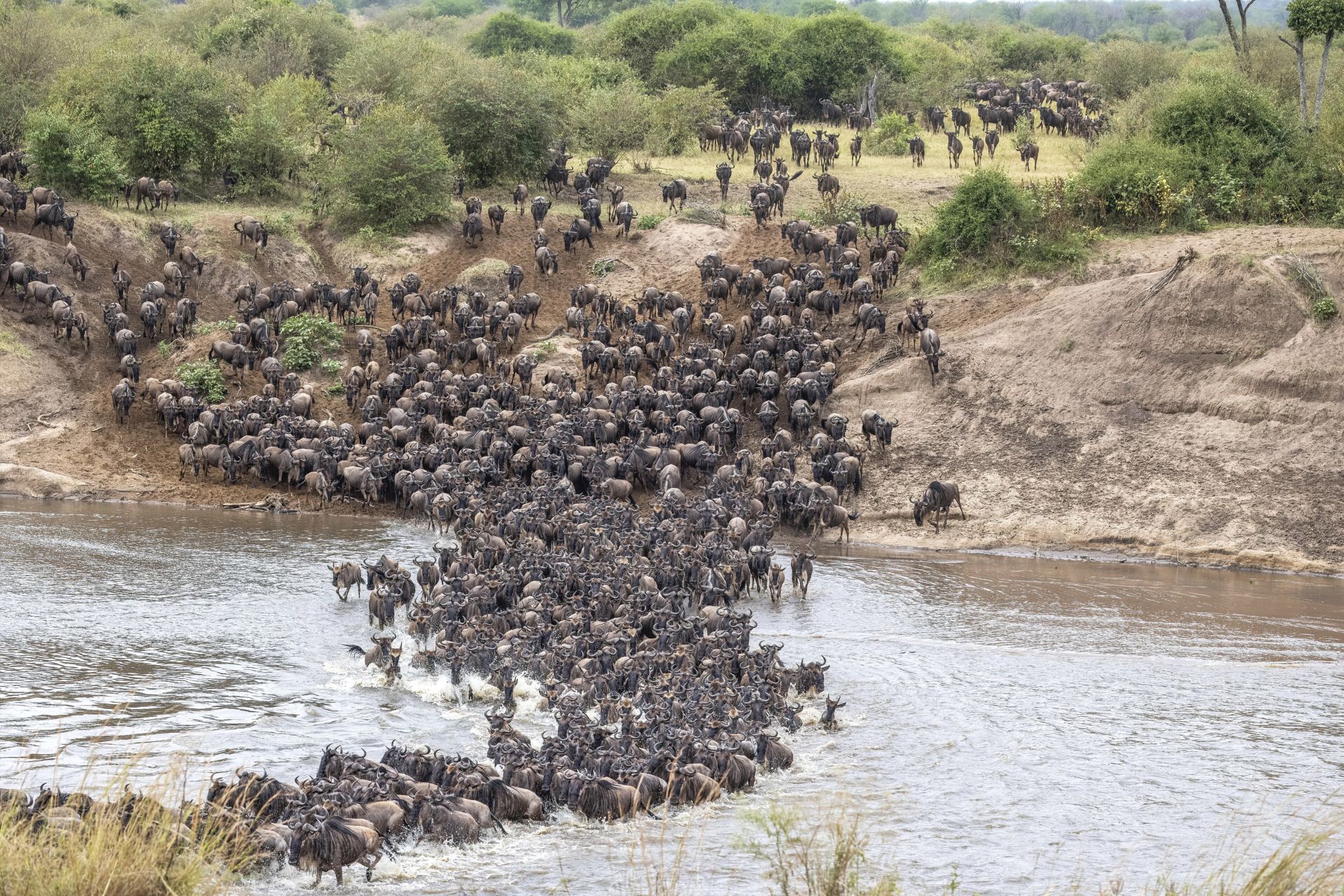
Wildebeest pouring down a steep bank into the Mara River

Tanzania · Private · Luxury

7-Day Great Migration Safari

Four Serengeti nights in camps chosen for where the herds are expected in your month, after the crater, with a flight back to Arusha instead of a long drive.

6 nights
7 days
places on the route
3

Two nights on the Ngorongoro crater rim for Lake Manyara and the crater, then four nights in seasonal or mobile tented camps placed for the migration's expected area in your month, from Ndutu to the Mara River. A private, luxury-level safari that ends with a flight.

About this journey

The shape of the trip

Seven days built around one question: where are the herds this month? Two nights on the Ngorongoro crater rim give you Lake Manyara and Ngorongoro Crater first. The next four nights are in the Serengeti, in camps positioned to the migration's expected area for your month. On the last morning you fly back to Arusha.

Where the herds usually are

The wildebeest and zebra follow the rain and the fresh grass, so their position varies with the rains every year. As a broad pattern:

  • December to March: the southern short-grass plains around Ndutu, where calving usually peaks in February.
  • April and May: moving north-west through the central and western Serengeti. These are the long rains, and many seasonal camps close.
  • May to July: the western corridor and the Grumeti River area.
  • July to October: the northern Serengeti and the Mara River, where crossings happen on some days and not on others.
  • November: heading south again, often through the east and centre of the park.

Camps are chosen from this pattern when you book, and your guide adjusts to reports on the ground. Herds can arrive early or late, and nobody can promise you a river crossing.

Comfort and luxury versions

As written, this is a luxury safari. In the Serengeti you stay in seasonal or mobile tented camps. These move between areas through the year and set up where the herds usually are, so you sleep close to the action rather than driving to it each morning. Expect proper beds, private bathrooms and meals served in camp. On the highlands you stay on the crater rim.

A comfort version is possible, using mid-range seasonal camps and a lodge near Karatu. Camps near the herds fill early in the calving and crossing months, so plan well ahead either way.

Why the flight out

By the last day you may be in the far north of the Serengeti, a full day's drive from Arusha. A light-aircraft flight from the nearest airstrip turns that day into a morning. It also means you don't have to double back past the crater.

Light aircraft carry strict luggage limits, so pack in soft bags. For the months in more detail, read the Great Migration month by month.

The journey at a glance

  1. Day 01

    Arusha to Lake Manyara and the crater rim

    Lake Manyara National Park · about 3h 30m driving

  2. Day 02

    Ngorongoro Crater

    about 1h 30m driving

  3. Day 03

    Into the Serengeti, towards the herds

    Serengeti National Park · about 5h 30m driving

  4. Day 04

    Following the migration

    Serengeti National Park · about 5h driving

  5. Day 05

    A full day with the herds

    Serengeti National Park

  6. Day 06

    Another day in the migration area

    Serengeti National Park

  7. Day 07

    Fly back to Arusha

    Serengeti National Park · about 1h driving

Best months for this journey

Best months for this journey: January, February, March, June, July, August, September, October

Day by day

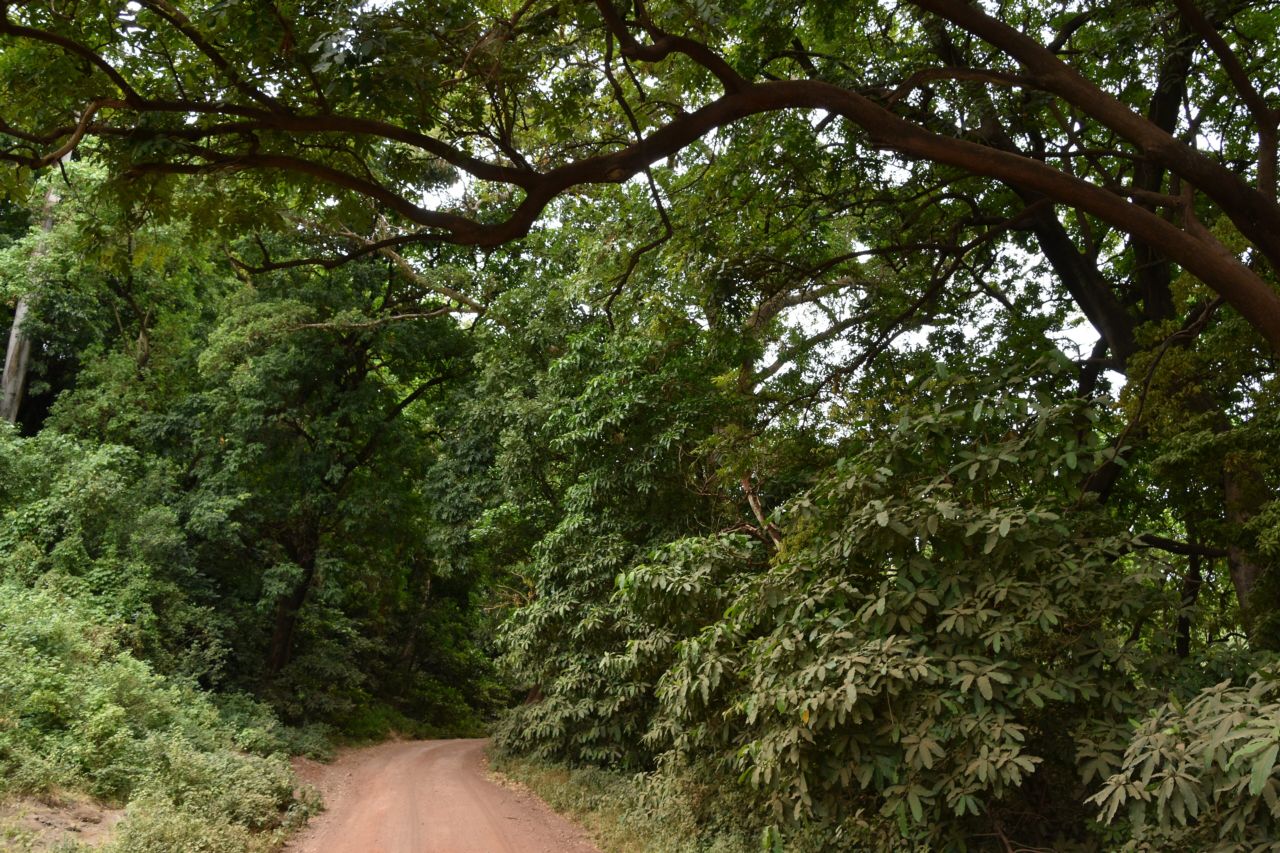
A red dirt track through the groundwater forest of Lake Manyara National Park

Day 01 · Lake Manyara National Park · 3h 30m drive

Arusha to Lake Manyara and the crater rim

Your guide collects you from your Arusha hotel in the morning for the drive west, about 2 hours to Lake Manyara National Park. A game drive here makes a gentle start: forest at the entrance, then the lakeshore, where elephants feed in the shade and the hippo pool rarely sits empty. After lunch in the park, the road climbs the Rift Valley escarpment onto the Ngorongoro highlands. Tonight you stay on the crater rim, high enough that you'll want a jacket for dinner.

Overnight
Lodge or camp on the Ngorongoro crater rim; a mid-range lodge in the Karatu area on the comfort version
Meals
Lunch, Dinner
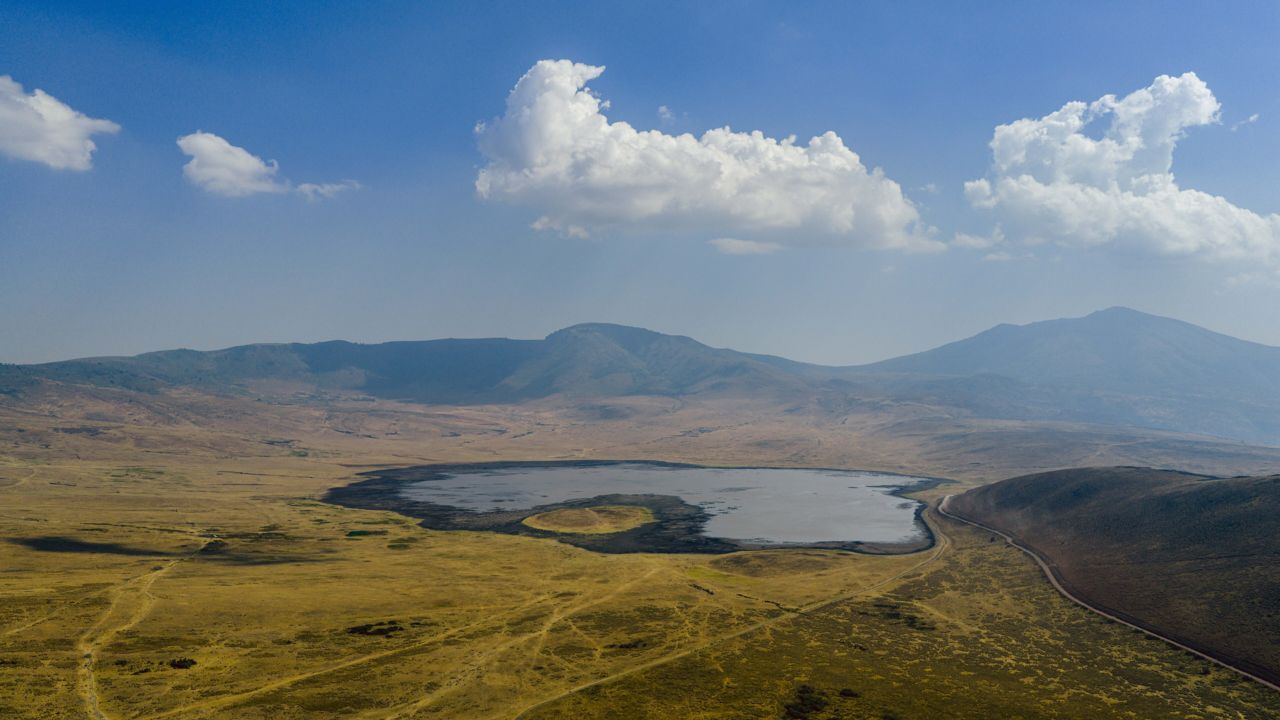
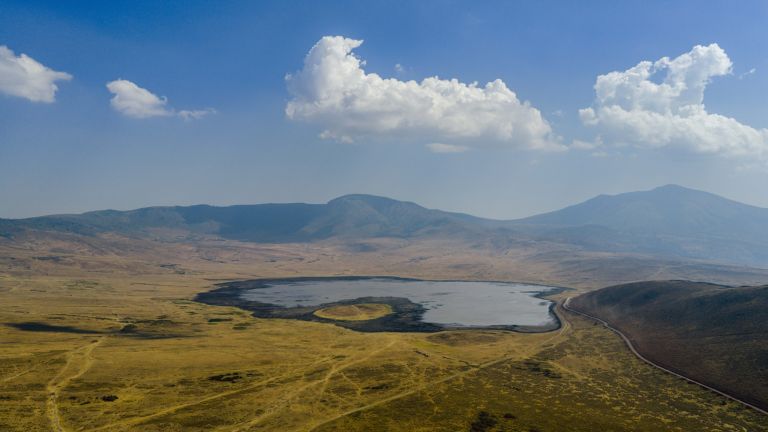
The Ngorongoro Crater floor with Lake Magadi, seen from the crater rim

Day 02 · Ngorongoro Crater · 1h 30m drive

Ngorongoro Crater

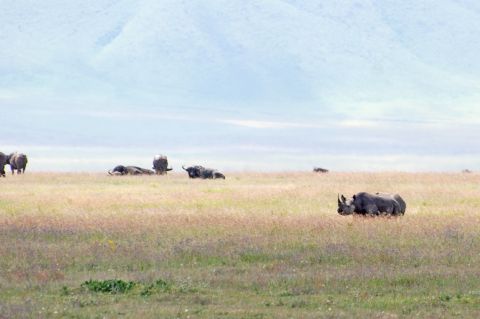
A full morning, or more, on the crater floor. Leaving from the rim means a short drive to the descent road and an early start. The floor holds resident herds of wildebeest and zebra, plus buffalo, spotted hyenas and several lion prides. A small number of black rhino live here too, often seen at a distance if at all. Lunch is a picnic by the water. You return to the rim in the afternoon, with time to rest and pack before the Serengeti.

Overnight
Lodge or camp on the Ngorongoro crater rim; a mid-range lodge in the Karatu area on the comfort version
Meals
Breakfast, Lunch, Dinner

Good to know: Nights on the rim are cold for most of the year. Pack a fleece and a warm hat for the early descent.

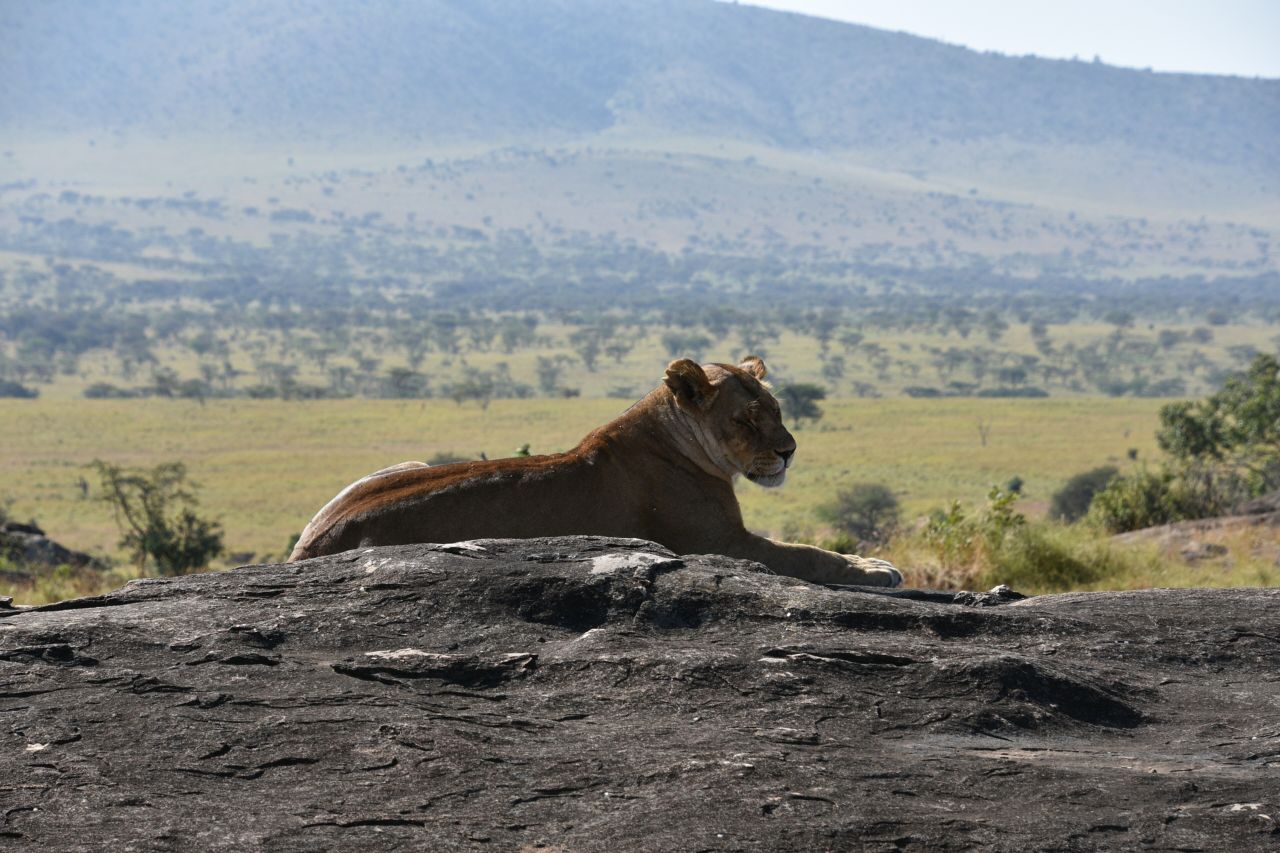
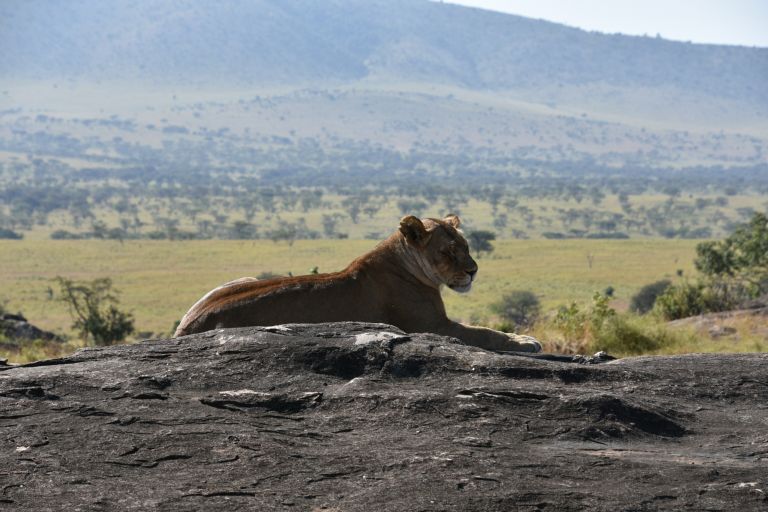
A lioness resting on a granite kopje above the Serengeti plains

Day 03 · Serengeti National Park · 5h 30m drive

Into the Serengeti, towards the herds

Today you drive towards the part of the Serengeti where the migration is expected for your month. From December to March that usually means the Ndutu area and the southern short-grass plains, about 2 to 3 hours from the rim. In other months you cross to the central Serengeti, about 5 to 6 hours with game viewing from Naabi Hill, as the first stage towards the west or north. Either way, the last hours are a game drive. Tonight's camp is positioned to the migration's expected area for your month, and that position varies with the rains.

Overnight
Seasonal or mobile tented camp positioned for the migration in your month; a mid-range seasonal camp on the comfort version
Meals
Breakfast, Lunch, Dinner

Good to know: Drive time depends on the month: shorter to Ndutu in the calving season, longer to the central Serengeti.

A lioness resting on a granite kopje above the Serengeti plains

Day 04 · Serengeti National Park · 5h drive

Following the migration

Where you go today depends on the herds. In the calving months you stay around Ndutu, watching newborn wildebeest find their feet and the cheetahs, lions and hyenas that follow them. From May to July you may continue west towards the Grumeti River. From July to October the day is a long game drive north, about 4 to 5 hours, to a camp near the Mara River. The herds move with the rains, so your guide follows the latest reports rather than a fixed plan.

Overnight
Seasonal or mobile tented camp positioned for the migration in your month, which may be a second camp in the west or north; a mid-range seasonal camp on the comfort version
Meals
Breakfast, Lunch, Dinner

Good to know: Today's drive ranges from almost nothing in the calving season to about 4 to 5 hours when moving north.

A lioness resting on a granite kopje above the Serengeti plains

Day 05 · Serengeti National Park

A full day with the herds

No transfer today, so the whole day goes on the migration. Herds this size are restless. Columns of wildebeest string out across the plains, zebra mixed in, gazelles at the edges. Your guide reads the movement and positions the vehicle where the animals are likely to pass, and then you wait. Some of the best hours on a migration safari are spent with the engine off. In the north, part of the day may be at the Mara River, watching for herds gathering on the bank.

Overnight
Seasonal or mobile tented camp positioned for the migration in your month; a mid-range seasonal camp on the comfort version
Meals
Breakfast, Lunch, Dinner
A lioness resting on a granite kopje above the Serengeti plains

Day 06 · Serengeti National Park

Another day in the migration area

A second full day lets you follow up on yesterday: a pride that made a kill, herds massing near the river, a cheetah with cubs. River crossings in the north are unpredictable. Herds can gather on the bank for hours and turn away, or cross within minutes, and no guide can promise you'll see one. Patience helps. In the south, a full day on the plains often brings the predator activity the calving season is known for. In the evening you have a last dinner under canvas.

Overnight
Seasonal or mobile tented camp positioned for the migration in your month; a mid-range seasonal camp on the comfort version
Meals
Breakfast, Lunch, Dinner

Good to know: Packed breakfasts make long waits at the river easier. Ask your camp the night before.

A lioness resting on a granite kopje above the Serengeti plains

Day 07 · Serengeti National Park · 1h drive

Fly back to Arusha

An early game drive if your flight time allows, then your guide takes you to the nearest airstrip for a scheduled light-aircraft flight to Arusha. From the air you see the shape of the country you've spent four days in: rivers lined with trees, kopjes, plains running to the horizon. Flights often stop at other airstrips on the way. In Arusha you're met and taken to your hotel, or onward to Kilimanjaro International Airport for an evening flight.

Meals
Breakfast

Good to know: Light aircraft have strict luggage limits and need soft bags. We confirm your allowance when you book.

Price

Priced to your dates and group

Length
7 days, 6 nights
Pace
Balanced
Effort
Easy
Group
1–6 guests
Comfort
Luxury
Route
Lake Manyara National Park → Ngorongoro Crater → Serengeti National Park

Ask about this journey

Tell us a little and we will reply with ideas for your dates. Asking costs nothing and commits you to nothing.

With the country code, e.g. +44 20 7946 0000

Best way to reach you

Prefer the full planner?

Is this journey right for me?

Who will love it

Travellers who want to time their safari to the wildebeest migration, including the calving season early in the year or the river crossings later on.

Who might prefer another journey

Anyone who needs a guaranteed river crossing or a fixed, unchanging route. The herds set the plan, and the rains move the herds.

Pace

Easy physically.

  • Day 1 3h 30m
  • Day 2 1h 30m
  • Day 3 5h 30m
  • Day 4 5h
  • Day 5 —
  • Day 6 —
  • Day 7 1h

What is included

Included

  • Private safari vehicle with pop-up roof and driver-guide
  • Park and conservation fees for the itinerary
  • Accommodation as listed in the itinerary
  • Meals as listed in the itinerary
  • Drinking water in the vehicle
  • Light-aircraft flight from the Serengeti to Arusha on day 7
  • Airport transfers at the start and end of the safari

Not included

  • International flights
  • Visas
  • Travel insurance
  • Tips for your guide and camp or lodge staff
  • Drinks unless stated
  • Optional activities such as hot-air balloon flights
  • Excess luggage charges on the light-aircraft flight
  • Your hotel night in Arusha before day 1

Questions travellers ask

Will we see a river crossing?

Maybe. Crossings on the Mara River usually happen between July and October, but herds can wait on the bank for hours and turn back, or cross somewhere you're not. Four nights in the Serengeti, with two full days near the river, give you a fair number of chances. Nobody can promise one, and any operator who does isn't being straight with you.

Which month is best for the Great Migration?

It depends on what you want to see. December to March, the herds are usually on the southern plains around Ndutu, with calving peaking in February and plenty of predator activity. July to October is the river-crossing season in the north. May to July often finds them in the western corridor. Timing shifts every year with the rains.

What are mobile or seasonal camps like?

They're tented camps that move between areas through the year to stay near the herds. On this luxury safari, expect proper beds, private bathrooms and meals in camp, with canvas walls between you and the night sounds. They're quieter and smaller than most lodges. Facilities vary from camp to camp, so we'll describe each one before you book.

Why do we fly back instead of driving?

Because the herds may take you a long way from Arusha. From the northern Serengeti, the road back is a full day or more, much of it unsealed. A light-aircraft flight from the nearest airstrip gets you to Arusha in a morning and saves you doubling back past the crater. Luggage limits apply, so pack soft bags.

  1. Stop 1 · Day 1

    Lake Manyara National Park

    National park / reserve

    A narrow park between the Rift Valley escarpment and a shallow soda lake, with groundwater forest, baboon troops, elephant and, in some years, flamingo along the shore. An easy first or last game drive.

    About Lake Manyara National Park
  2. Stop 2 · Day 2

    Ngorongoro Crater

    Area

    A collapsed volcano about 600 metres deep, its floor a closed world of grassland, soda lake, swamp and the Lerai forest, with black rhino, lion and big buffalo herds within a single game drive.

    About Ngorongoro Crater
  3. Stop 3 · Days 3–7

    Serengeti National Park

    National park / reserve

    Short-grass plains, granite kopjes and river woodland across north-western Tanzania, with resident big cats all year and the wildebeest migration moving through in a loop that follows the rains.

    About Serengeti National Park

This 7-day journey is a starting point

Make it yours

Every journey can change. Tell us what matters and we will shape it with you.

  1. More nights where you love it

    Slow down in the place that matters most to you, or add a day between long drives.

  2. A different camp

    Swap a stay for one that suits your comfort level, your budget or the season.

  3. A beach extension

    Finish with a few days by the sea before you fly home.

7 daysPriced to your dates

Enquire