The shape of the trip
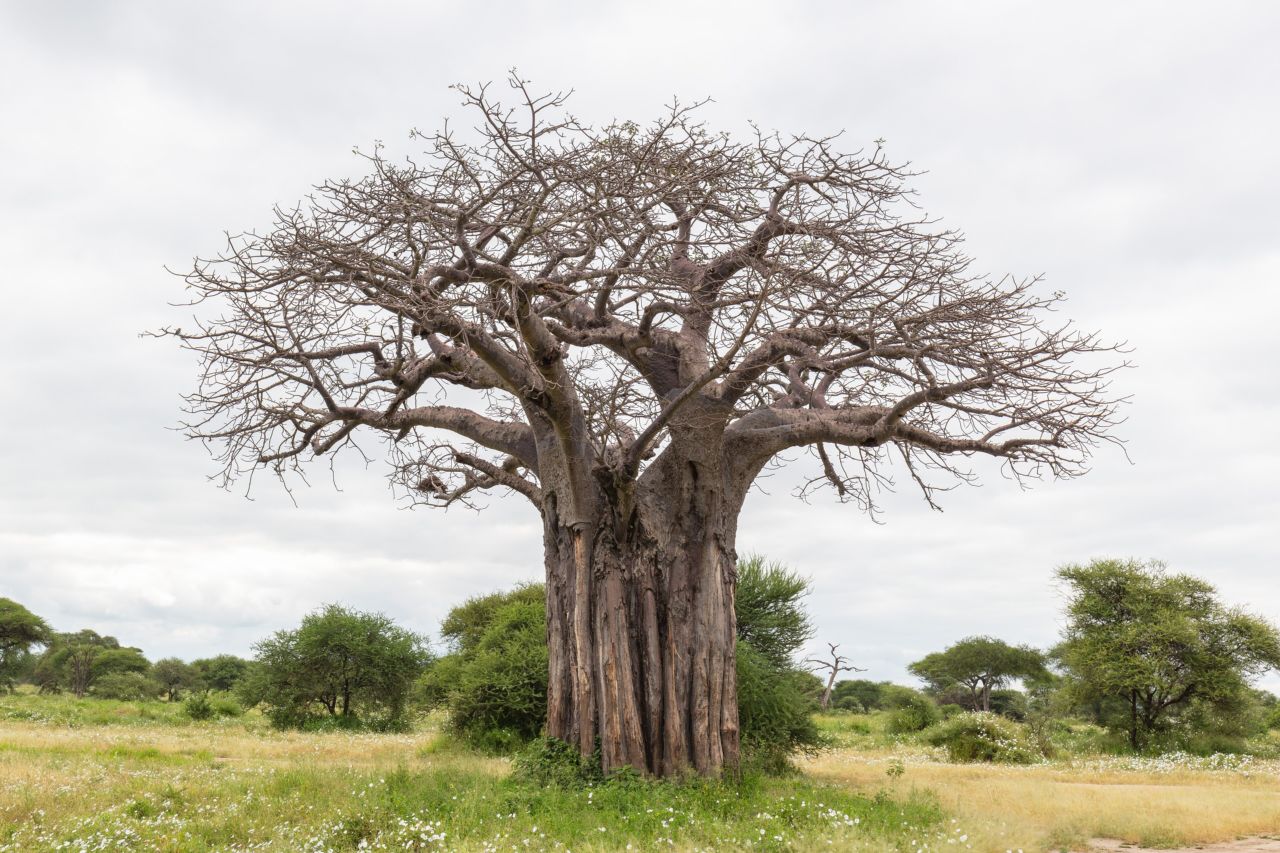
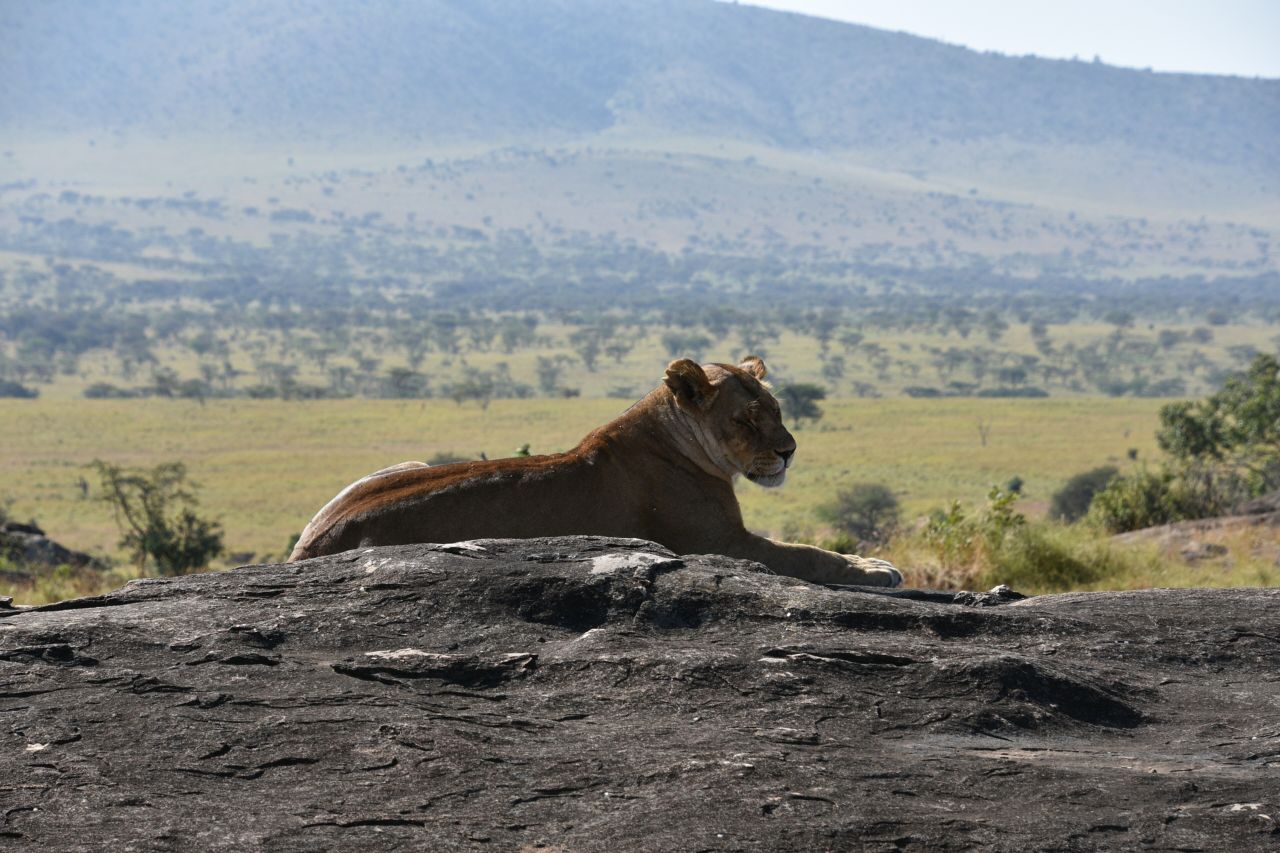
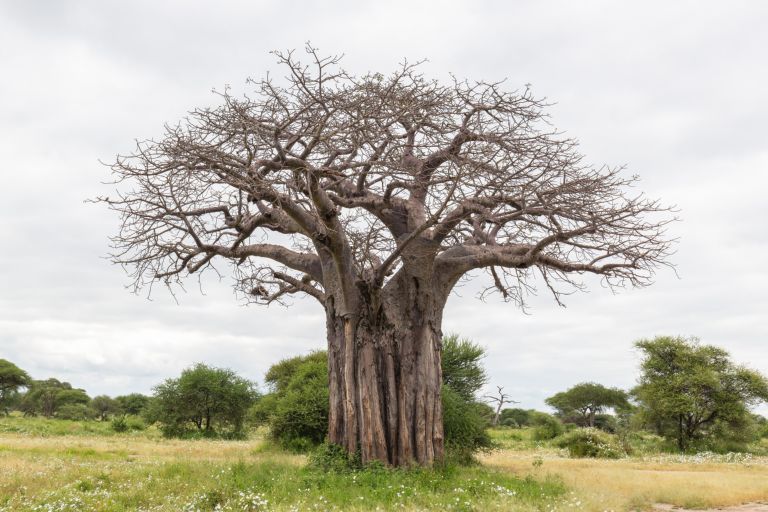
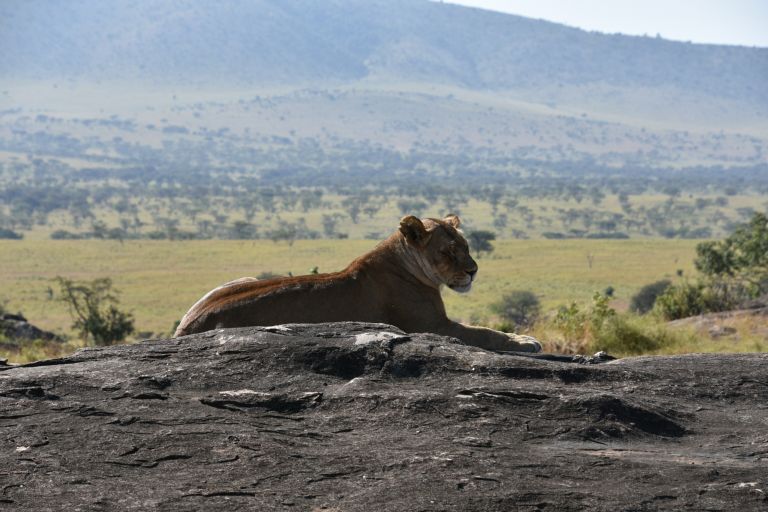
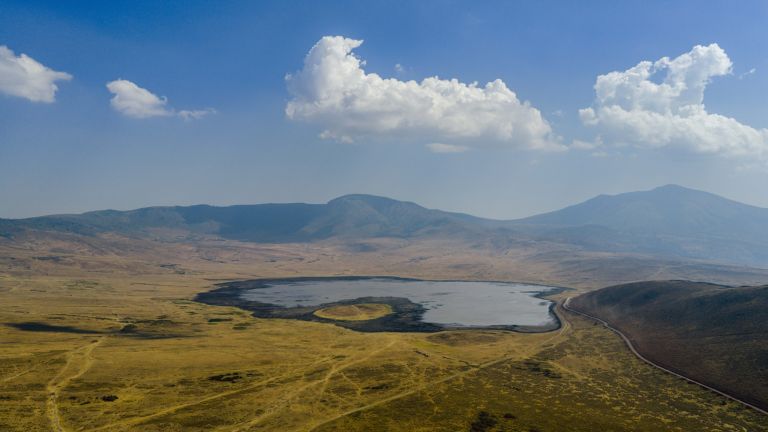
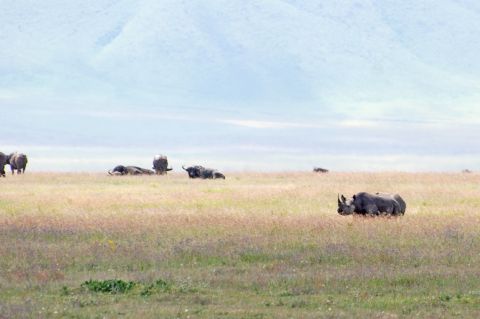
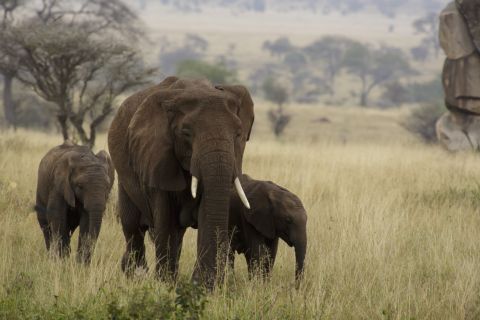
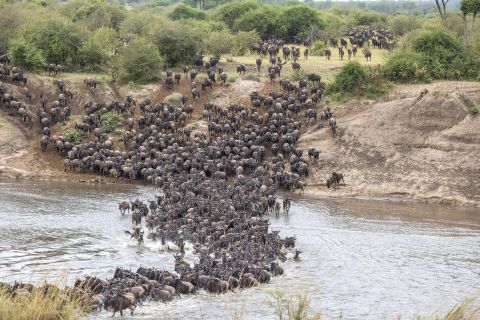
Six days on safari, then three nights on Zanzibar. You start in Tarangire, spend three nights in the central Serengeti and two on the Ngorongoro highlands with a day in the crater, then fly to the coast on day 7.
Why this order
Bush first, beach after. Early starts and dusty tracks are easier while you're fresh, and three slow days by the sea are a better ending than a long drive.
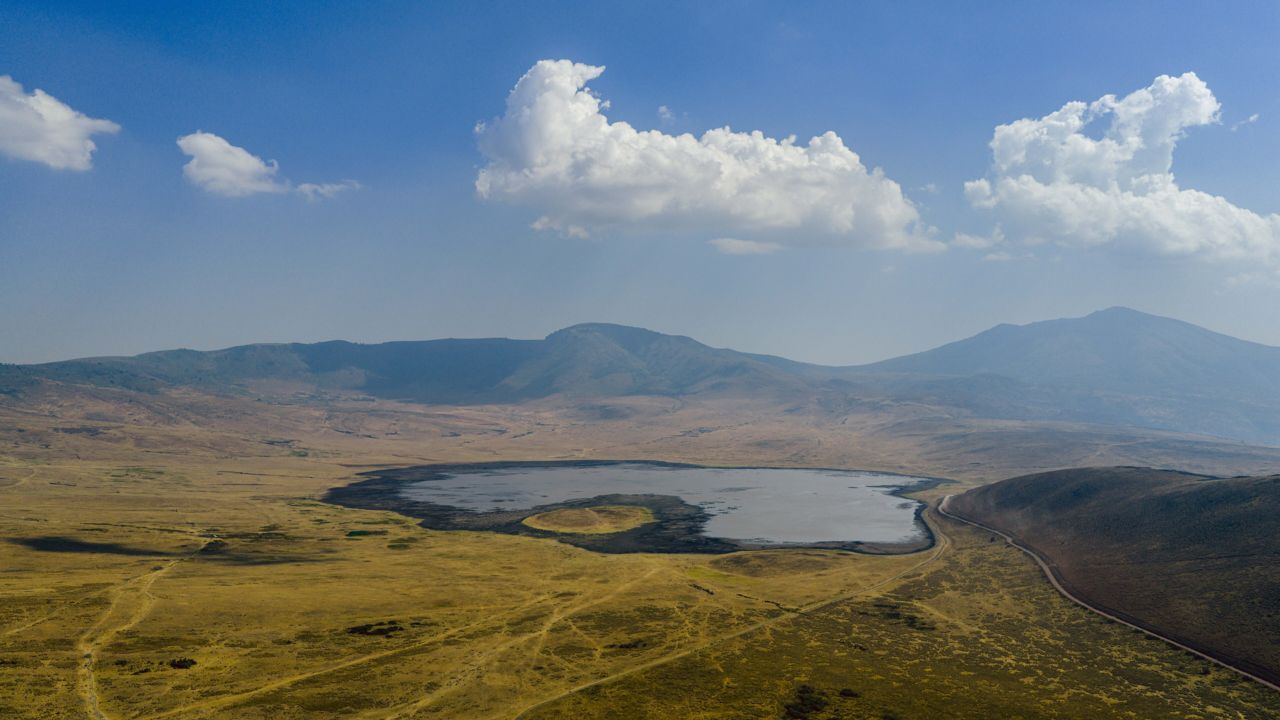
The second night on the highlands matters too. Most short safaris drive straight back to Arusha after the crater, which makes a long day. Here you return to your lodge in the afternoon and fly to Zanzibar the next morning, from the Lake Manyara airstrip or from Arusha depending on flight schedules.
Day 2 is the long one, about 6 to 8 hours from Tarangire to the central Serengeti with game viewing at the end. The rest of the safari has shorter days or none at all.
Comfort and luxury versions
As written, this is a comfort-level trip: mid-range tented camps and lodges on safari, and a comfortable mid-range beach hotel on Zanzibar.
The luxury option upgrades both halves. On safari you stay in smaller camps and on the crater rim. On Zanzibar you move to a smaller boutique beach hotel or a villa-style stay. Some luxury versions also fly between the Serengeti and the coast to save driving, which changes the order of the safari; ask if that appeals.
Choosing your part of Zanzibar
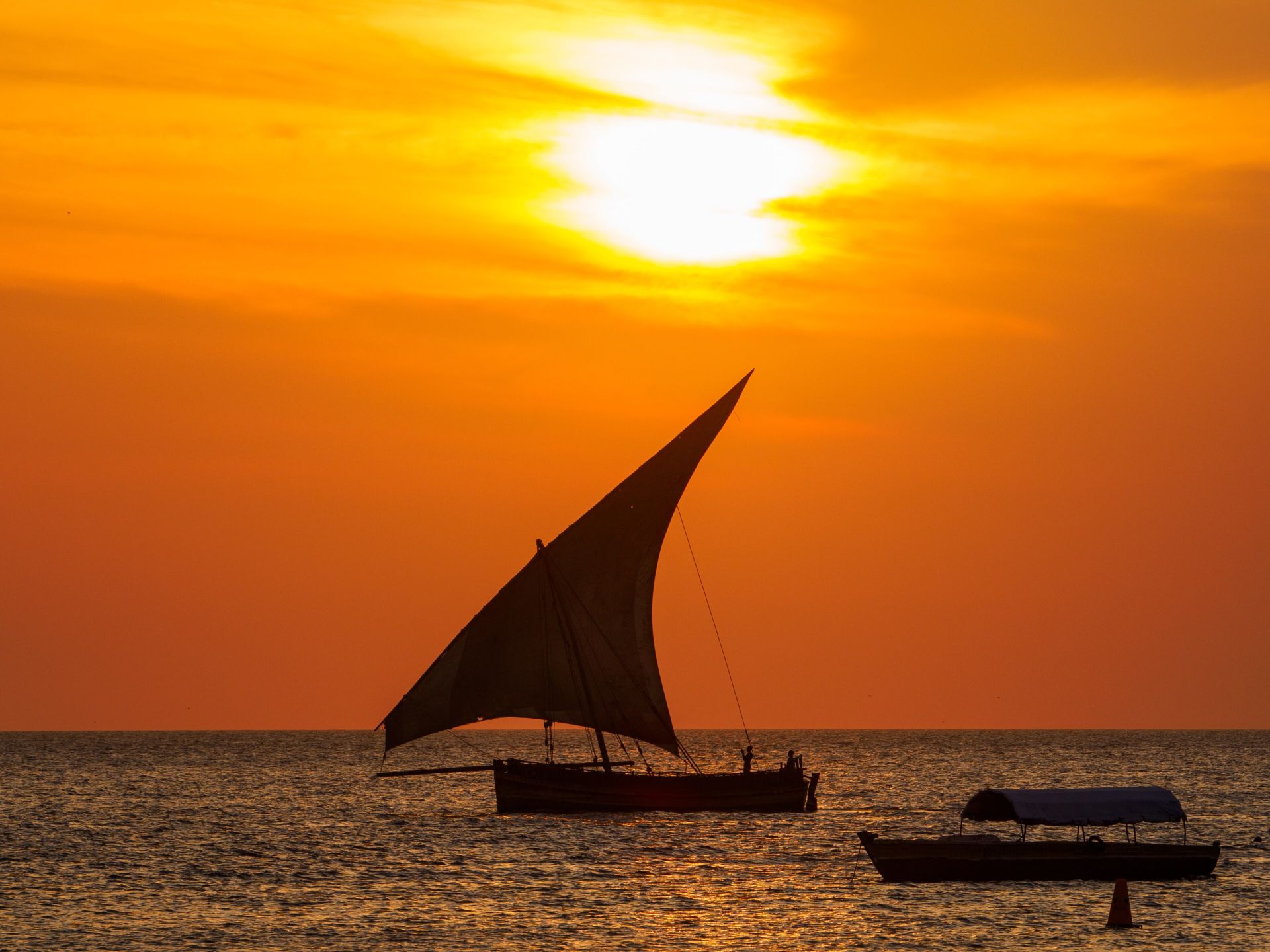
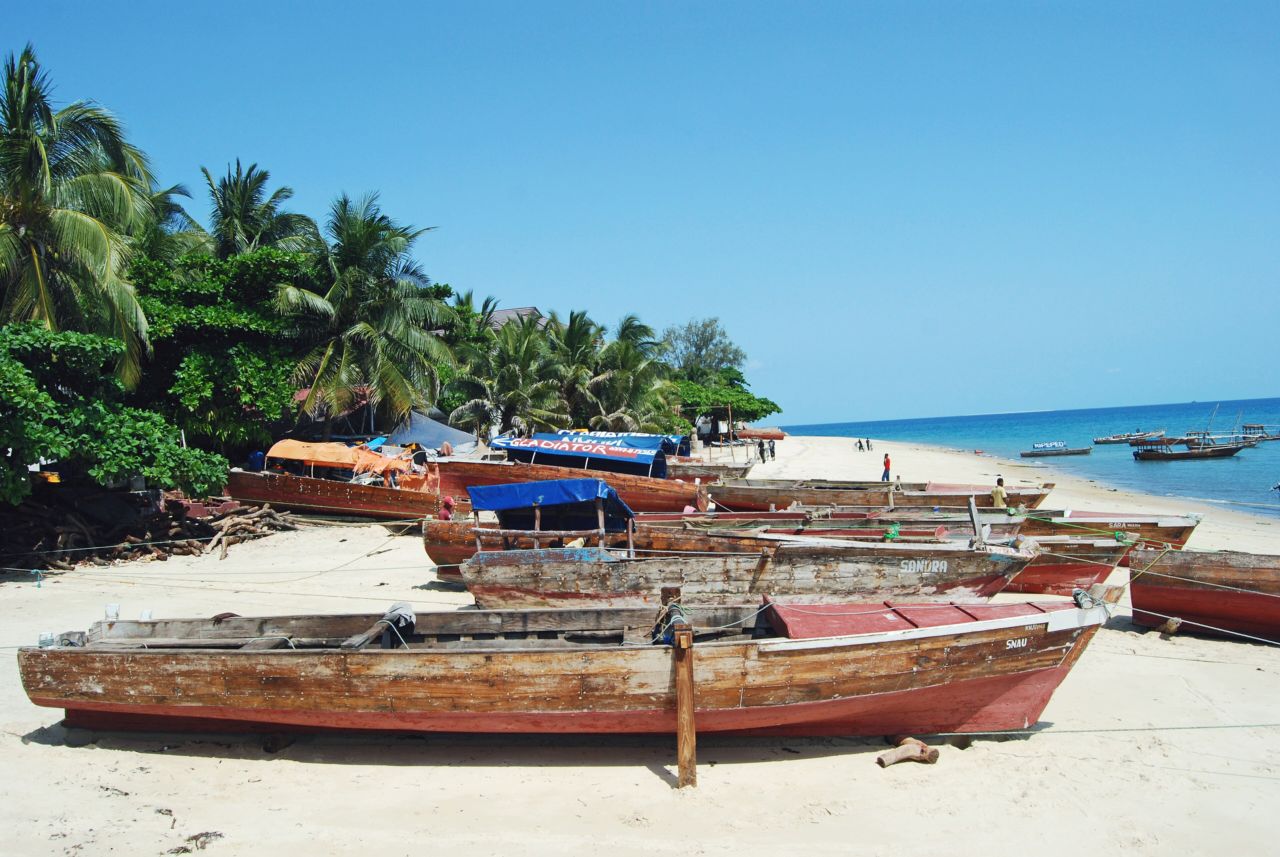
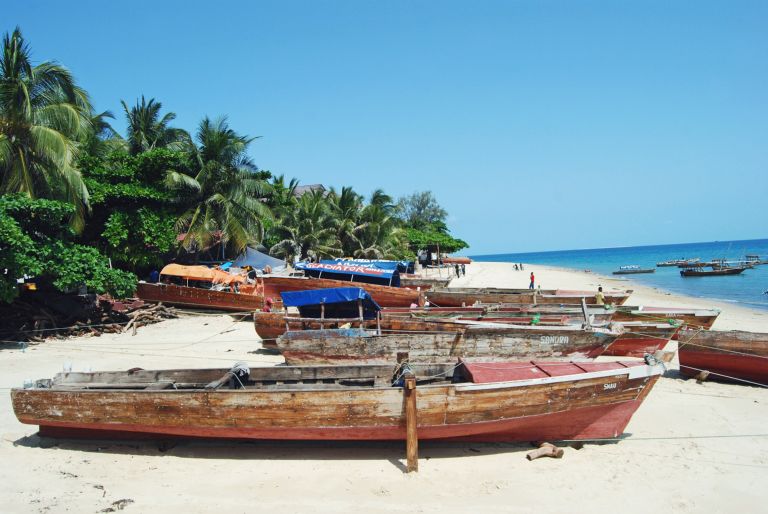
Zanzibar's coasts differ more than people expect. On the east coast the tide goes out a long way over the reef flats, so swimming depends on the time of day. Some beaches on the north coast keep deeper water for more of the tide. Stone Town, a UNESCO World Heritage Site, is worth a morning or a night of its own. Read more in Zanzibar after safari.
When to go
June to October is dry on both the mainland and the island, with Tarangire at its best. January and February are warm and generally dry. The long rains, roughly April and May, are heavy on Zanzibar as well as on safari, and some camps and hotels close or scale back. November brings the short rains, usually as passing showers.