Skip to content
Untamed Safari Experience
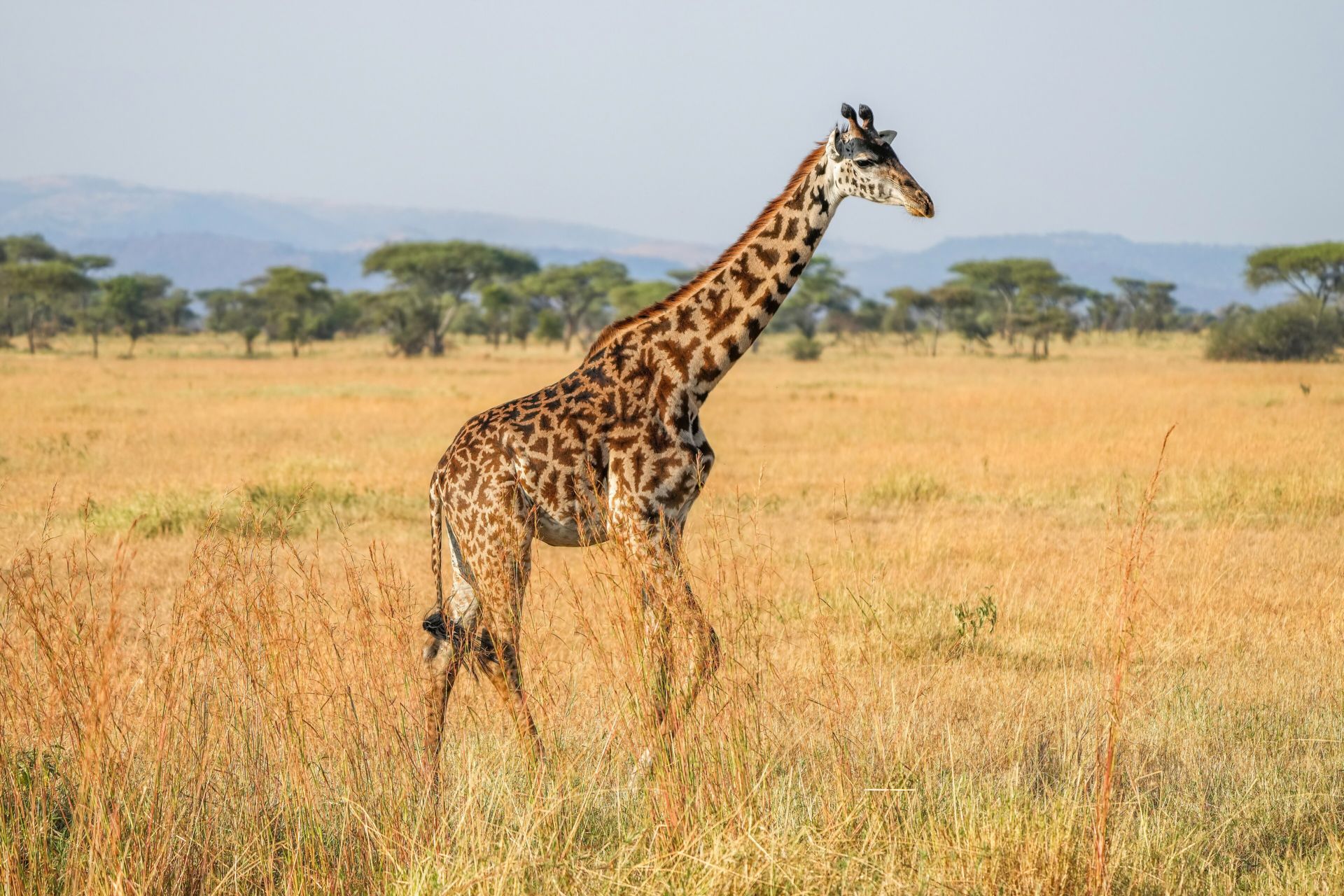
A Masai giraffe walking across golden grassland dotted with acacias

Tanzania · Private · Mid-range

5-Day Classic Tanzania Safari

The northern circuit in its classic order, with two nights in the central Serengeti so you get one full day there without a transfer.

4 nights
5 days
places on the route
3

Tarangire for elephants and baobabs, two nights in the central Serengeti for big cats and the open plains, a night on the Ngorongoro highlands, then the crater on the way home. A private, comfort-level safari at a balanced pace.

About this journey

The shape of the trip

This is the route many first-time visitors to northern Tanzania end up choosing, and for good reason. One night near Tarangire, two in the central Serengeti, one on the Ngorongoro highlands, then the crater on the way back to Arusha.

The order matters. Tarangire is close to Arusha, so the first day is gentle. The Serengeti sits in the middle, where the second night buys you a full day with no transfer. The crater comes last because it's on the road home.

Why two nights in the Serengeti

With one night you arrive late, leave early and see most of the Serengeti through the windscreen. A second night changes that.

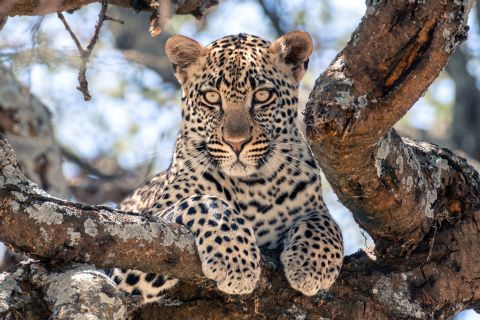
Day 3 is yours. Go out at first light when the cats are active, come back for a late breakfast, head out again in the afternoon. Or take a picnic and stay out all day. Your guide can work the Seronera River for leopards, the kopjes for lions, or wherever sightings are being reported that morning.

The long day is day 2, about 6 to 8 hours from Tarangire to Seronera with game viewing at the end. Day 4, coming back, is about 5 to 6 hours with stops.

Comfort and luxury versions

The comfort version uses mid-range tented camps and lodges near Tarangire, in the central Serengeti and in the Karatu area. They're comfortable and well placed for the game drives.

The luxury version keeps the same route and the same private vehicle, and changes where you sleep: smaller camps with more space between tents, a more secluded spot in the Serengeti, and a lodge or camp on the crater rim. The rim also shortens the morning drive into the crater on day 5.

When to go

June to October is the classic window. It's dry and clear, with Tarangire at its best. January and February are also good. The migration herds are usually on the southern plains around Ndutu then, which is a detour from this route; ask if you'd like to fit it in.

The long rains, roughly April and May, bring green landscapes, fewer vehicles and slower roads, and some camps close for part of that time. For more detail, read the Great Migration month by month.

The journey at a glance

  1. Day 01

    Arusha to Tarangire

    Tarangire National Park · about 2h 30m driving

  2. Day 02

    Tarangire to the central Serengeti

    Serengeti National Park · about 7h 30m driving

  3. Day 03

    A full day in the central Serengeti

    Serengeti National Park

  4. Day 04

    Serengeti to the Ngorongoro highlands

    Serengeti National Park · about 5h 30m driving

  5. Day 05

    Ngorongoro Crater and back to Arusha

    Ngorongoro Crater · about 4h driving

Best months for this journey

Best months for this journey: January, February, June, July, August, September, October

Day by day

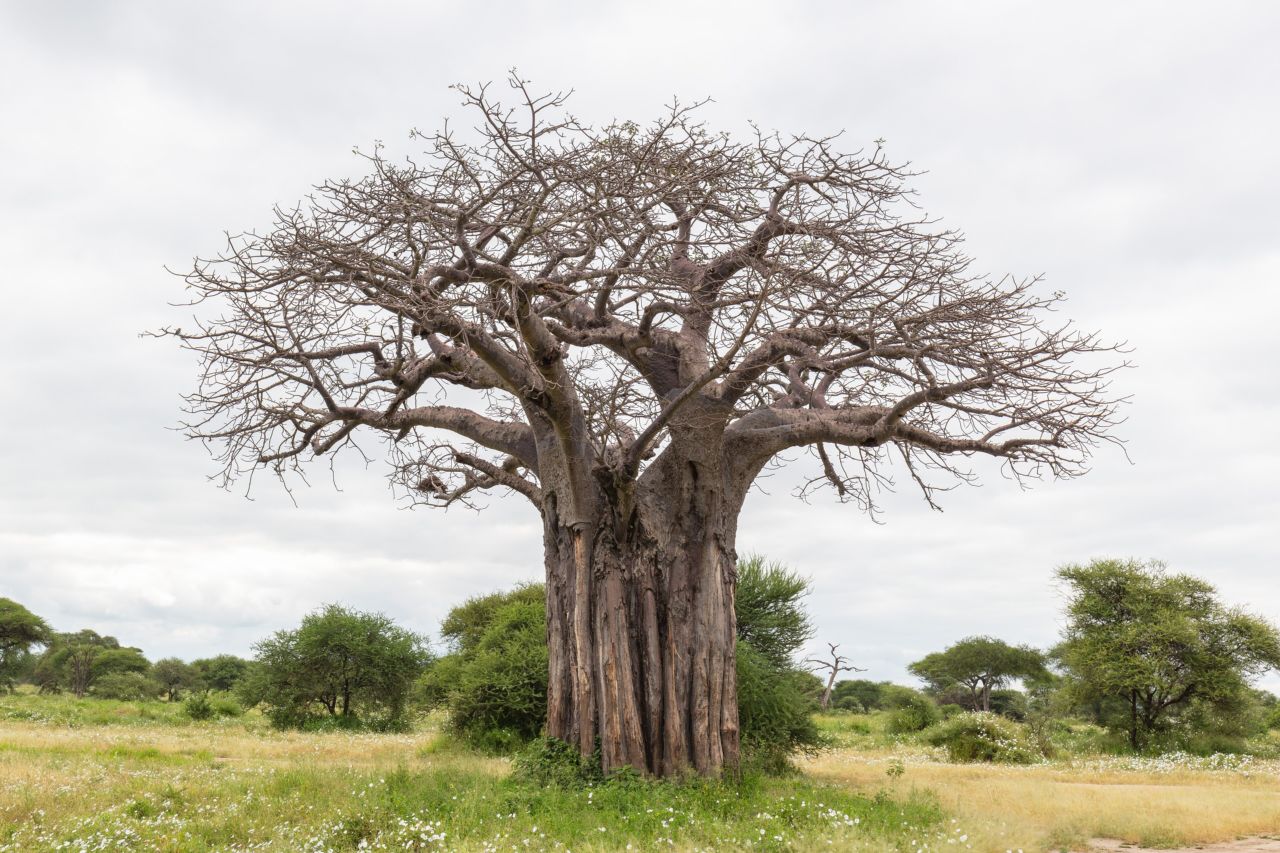
A large baobab tree standing in green Tarangire bush

Day 01 · Tarangire National Park · 2h 30m drive

Arusha to Tarangire

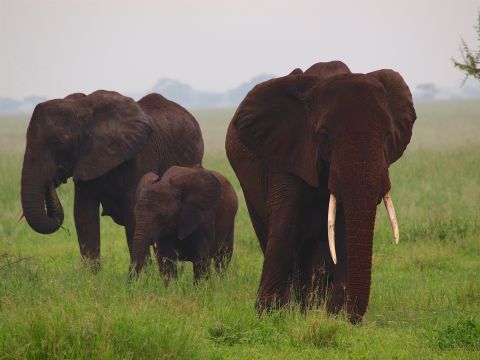
You leave Arusha in the morning in your private vehicle and head west towards the Rift Valley. About 2 to 3 hours later you turn off the main road into Tarangire National Park. The park is best known for elephants and baobabs, and in the dry season you often see both within the first hour. Lunch is at a picnic site or at your camp. The afternoon game drive follows the river, where zebra, wildebeest and buffalo come to drink. Keep an eye on the old termite mounds, too. Dwarf mongooses often live in them.

Overnight
Mid-range tented camp or lodge near Tarangire; a smaller camp inside or beside the park on the luxury version
Meals
Lunch, Dinner
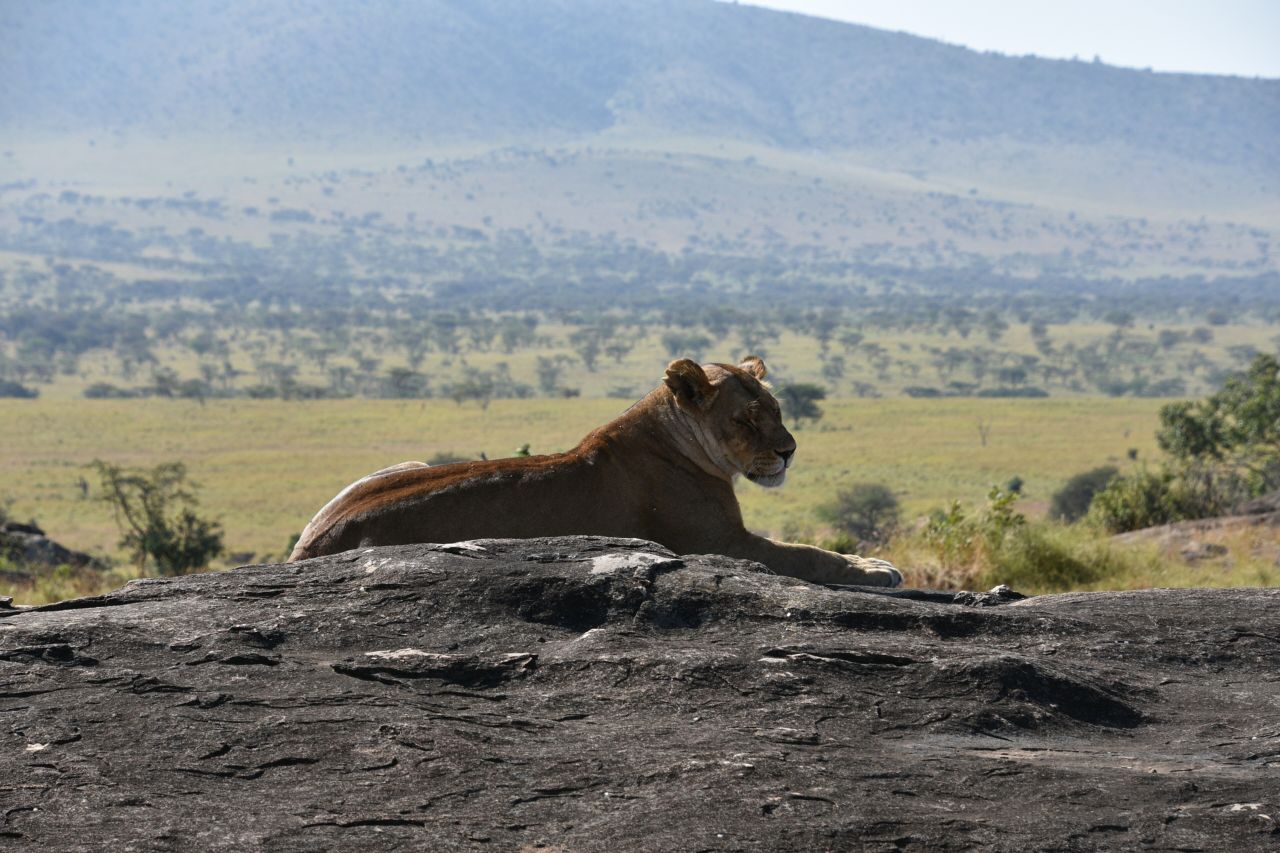
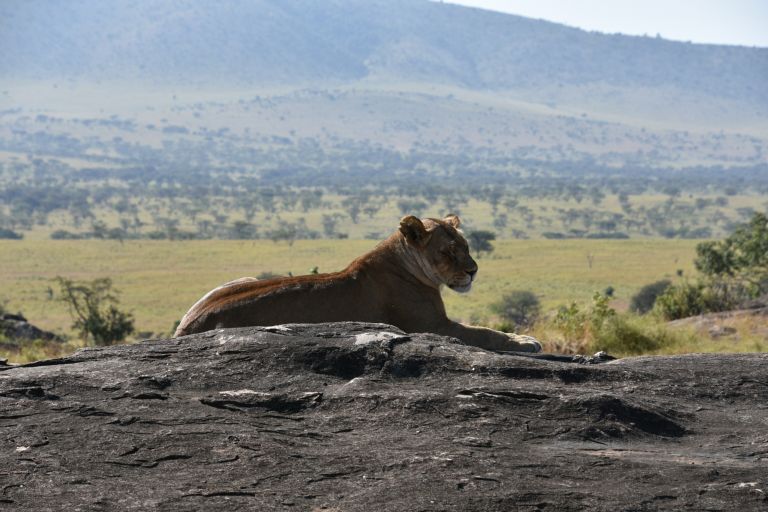
A lioness resting on a granite kopje above the Serengeti plains

Day 02 · Serengeti National Park · 7h 30m drive

Tarangire to the central Serengeti

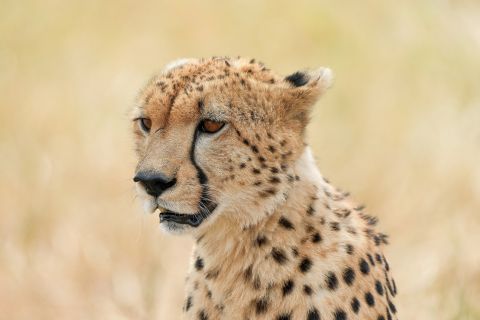
An early start for the longest drive of the trip. The road climbs from Tarangire onto the Ngorongoro highlands, follows the forested crater rim and then drops to the short-grass plains of the Serengeti. At Naabi Hill Gate, a path leads to the top of the hill for a view across the plains while your guide handles the permits. From there to Seronera you're on a game drive: Thomson's gazelles, hyenas, ostriches, and now and then a cheetah sitting on a termite mound. Plan on about 6 to 8 hours before you reach camp.

Overnight
Mid-range tented camp in the central Serengeti; a smaller, more secluded camp on the luxury version
Meals
Breakfast, Lunch, Dinner

Good to know: Beyond the crater rim the road is unsealed and corrugated. A scarf or buff helps with the dust.

A lioness resting on a granite kopje above the Serengeti plains

Day 03 · Serengeti National Park

A full day in the central Serengeti

No transfers today. Head out at first light, return to camp for a late breakfast and go out again in the afternoon, or take a picnic and stay out all day. The central Serengeti around Seronera has lions all year, leopards along the river valley and cheetahs on the open plains. Your guide might take you to the Simba Kopjes, granite outcrops where lions often rest, or slowly along the Seronera River. A dawn balloon flight can be arranged on this morning, subject to availability.

Overnight
Mid-range tented camp in the central Serengeti; a smaller, more secluded camp on the luxury version
Meals
Breakfast, Lunch, Dinner

Good to know: Balloon flights are optional, not included and book up ahead. Tell us when you book if you want one.

A lioness resting on a granite kopje above the Serengeti plains

Day 04 · Serengeti National Park · 5h 30m drive

Serengeti to the Ngorongoro highlands

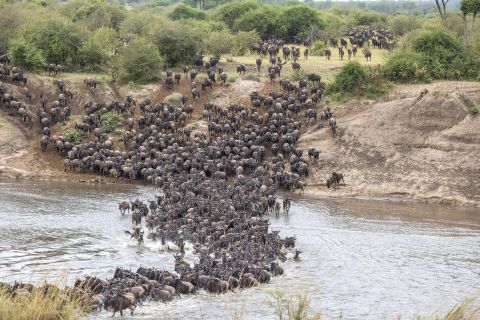
After a last early game drive, you start back towards the highlands with a picnic lunch. The route crosses the plains past Naabi Hill. In the months when the herds are on the southern plains, roughly December to March, you may see them from the road. Olduvai Gorge, where fossils of early human ancestors were found, is a short detour if you'd like to see its museum. Then the road climbs back up to the crater rim. The drive takes about 5 to 6 hours with stops.

Overnight
Mid-range lodge in the Karatu area of the Ngorongoro highlands; a lodge or camp on the crater rim on the luxury version
Meals
Breakfast, Lunch, Dinner
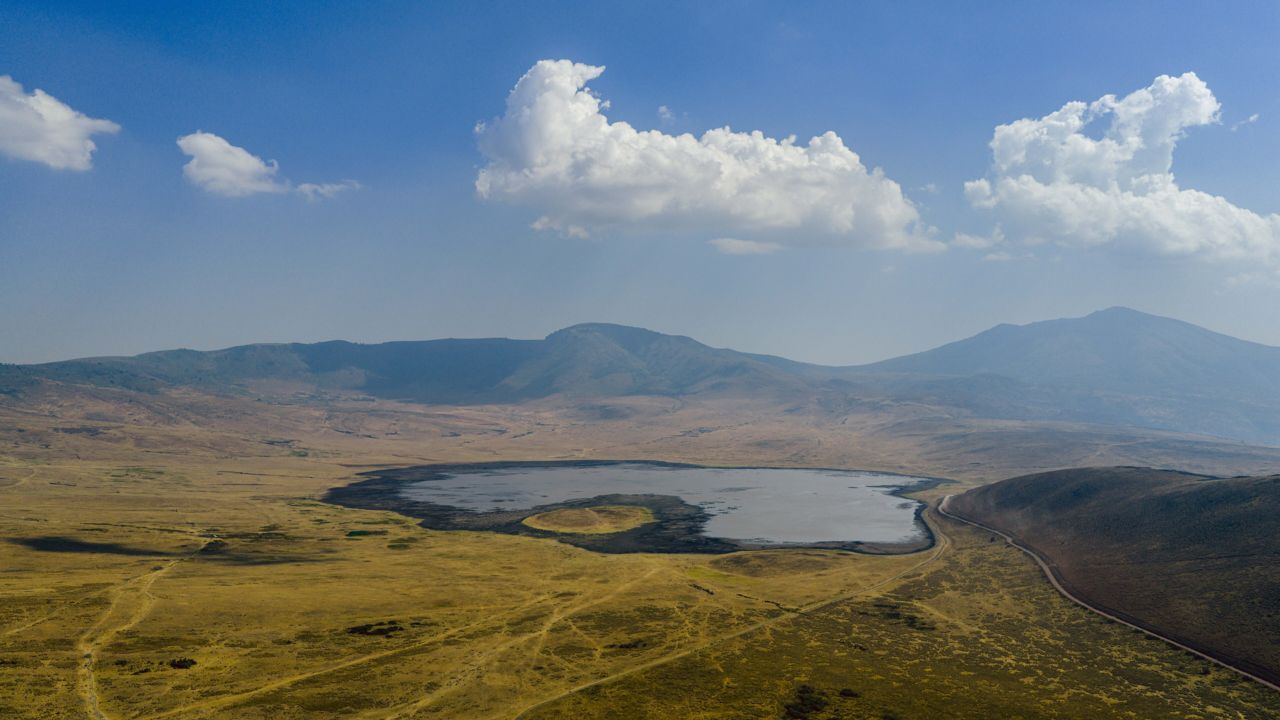
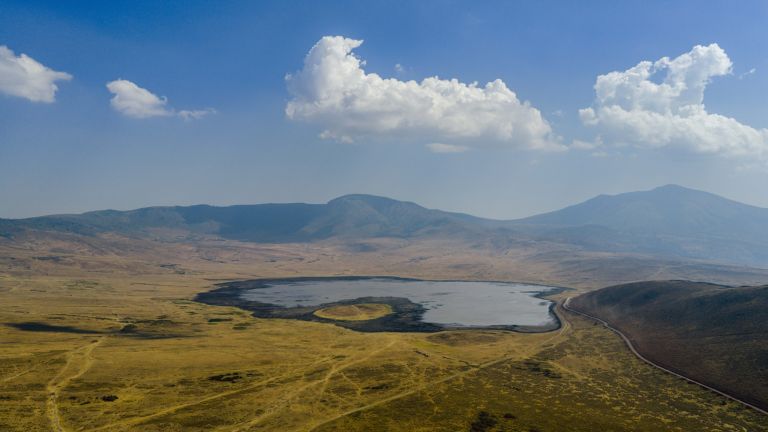
The Ngorongoro Crater floor with Lake Magadi, seen from the crater rim

Day 05 · Ngorongoro Crater · 4h drive

Ngorongoro Crater and back to Arusha

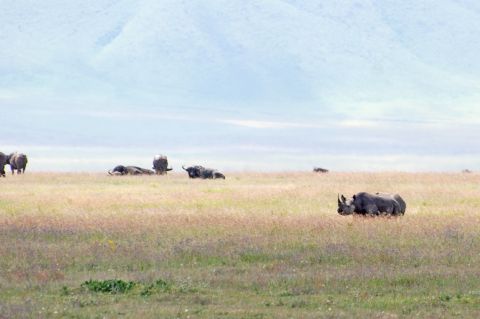
You go down into Ngorongoro Crater early, while the light is low and the grass is still wet. The floor is open enough that you see animals from a long way off: wildebeest and zebra grazing, lions flat in the grass, hyenas trotting between them. Look for old bull elephants near the Lerai Forest, and for flamingos on Lake Magadi when the water level suits them. Black rhino are here in small numbers. After a picnic lunch you climb out and drive about 3 to 4 hours back to Arusha.

Meals
Breakfast, Lunch

Good to know: Black kites patrol the crater picnic sites. Eat in the vehicle or keep your food covered.

Price

Priced to your dates and group

Length
5 days, 4 nights
Pace
Balanced
Effort
Easy
Group
1–6 guests
Comfort
Mid-range
Route
Tarangire National Park → Serengeti National Park → Ngorongoro Crater

Ask about this journey

Tell us a little and we will reply with ideas for your dates. Asking costs nothing and commits you to nothing.

With the country code, e.g. +44 20 7946 0000

Best way to reach you

Prefer the full planner?

Is this journey right for me?

Who will love it

First-time safari travellers, couples and families who want the three classic parks of the northern circuit with one unhurried Serengeti day.

Who might prefer another journey

Travellers planning around the Great Migration or calving season; the 7-day Great Migration safari positions you for your month.

Pace

Easy physically.

  • Day 1 2h 30m
  • Day 2 7h 30m
  • Day 3 —
  • Day 4 5h 30m
  • Day 5 4h

What is included

Included

  • Private safari vehicle with pop-up roof and driver-guide
  • Park and conservation fees for the itinerary
  • Accommodation as listed in the itinerary
  • Meals as listed in the itinerary
  • Drinking water in the vehicle
  • Airport transfers at the start and end of the safari

Not included

  • International flights
  • Visas
  • Travel insurance
  • Tips for your guide and camp or lodge staff
  • Drinks unless stated
  • Optional activities such as hot-air balloon flights
  • Your hotel night in Arusha before day 1

Questions travellers ask

Why does this safari visit Tarangire first and the crater last?

Because that's the order the roads run in. Tarangire is the closest park to Arusha, so day 1 is short. The Serengeti is furthest west, so it sits in the middle. Ngorongoro Crater is on the road back, which means you can spend the last morning on the crater floor and still reach Arusha by evening without doubling back.

Is it better to stay on the crater rim or in Karatu?

The rim puts you closer to the descent road, so you start the crater day earlier and with less driving, and the views are hard to beat. Karatu lodges are further away but sit among farms and gardens, and they're how the comfort version keeps the trip good value. On the luxury version you stay on the rim.

Can we add a balloon flight over the Serengeti?

Usually, yes. Day 3 is the natural morning for it, since you're already based in the central Serengeti with no transfer that day. Balloon flights are optional, not included in the safari, and subject to availability, so tell us when you book. Flights depend on the weather and can be cancelled on the morning if conditions aren't safe.

When is the best time for this route?

June to October gives dry weather and the best of Tarangire, and January to February is another good window. The central Serengeti has resident predators all year, so the route works in most months. In the long rains, roughly April and May, the roads are slower and some camps close, but the parks are green and quieter.

  1. Stop 1 · Day 1

    Tarangire National Park

    National park / reserve

    Baobab country south of Arusha, where the Tarangire River draws some of northern Tanzania's largest elephant gatherings in the dry season, along with oryx, lesser kudu and a long bird list.

    About Tarangire National Park
  2. Stop 2 · Days 2–4

    Serengeti National Park

    National park / reserve

    Short-grass plains, granite kopjes and river woodland across north-western Tanzania, with resident big cats all year and the wildebeest migration moving through in a loop that follows the rains.

    About Serengeti National Park
  3. Stop 3 · Day 5

    Ngorongoro Crater

    Area

    A collapsed volcano about 600 metres deep, its floor a closed world of grassland, soda lake, swamp and the Lerai forest, with black rhino, lion and big buffalo herds within a single game drive.

    About Ngorongoro Crater

This 5-day journey is a starting point

Make it yours

Every journey can change. Tell us what matters and we will shape it with you.

  1. More nights where you love it

    Slow down in the place that matters most to you, or add a day between long drives.

  2. A different camp

    Swap a stay for one that suits your comfort level, your budget or the season.

  3. A beach extension

    Finish with a few days by the sea before you fly home.

5 daysPriced to your dates

Enquire