The shape of the trip
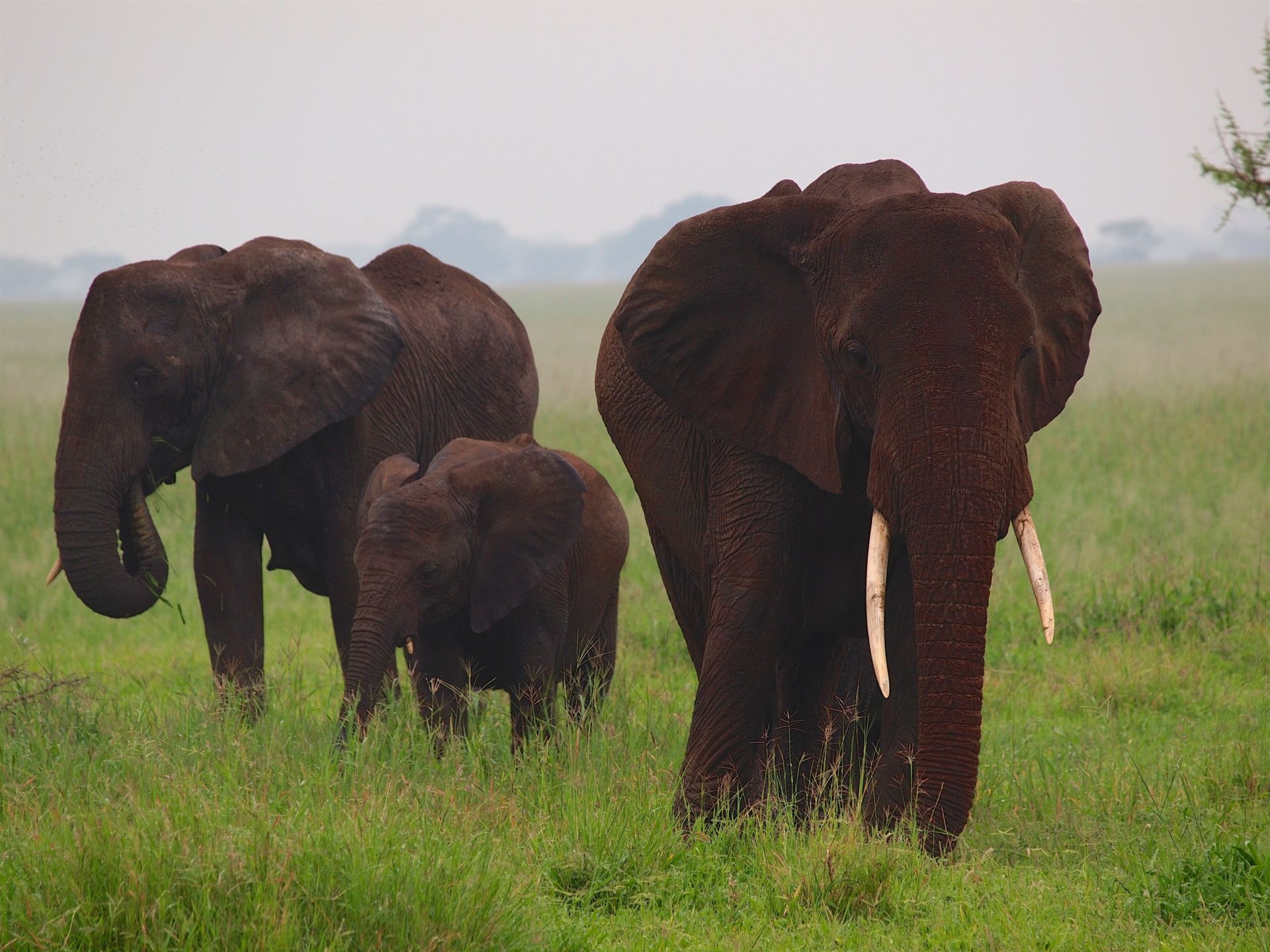
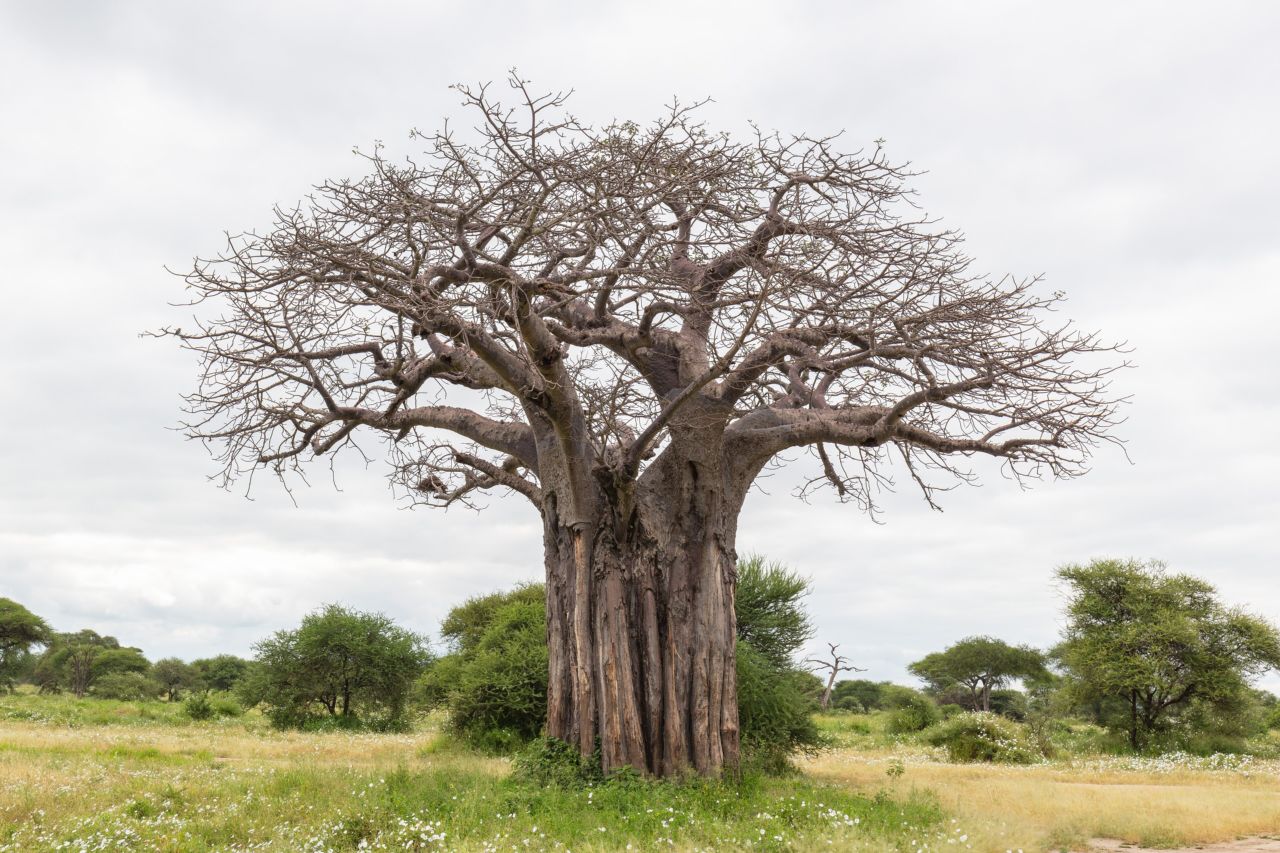
Three days, two nights and two quite different parks. Tarangire comes first, about 2 to 3 hours west of Arusha: dry woodland, baobabs, the Tarangire River and, in the dry months, big gatherings of elephants along it. You get an afternoon game drive there and another the next morning.
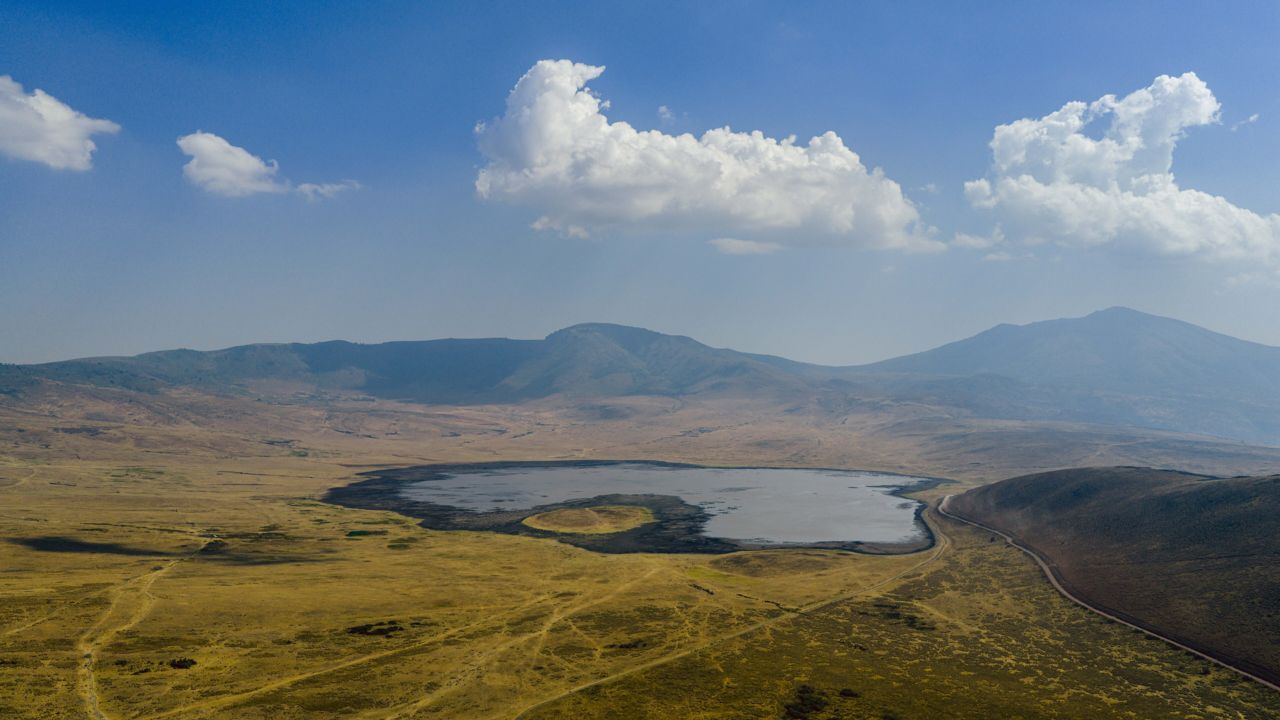
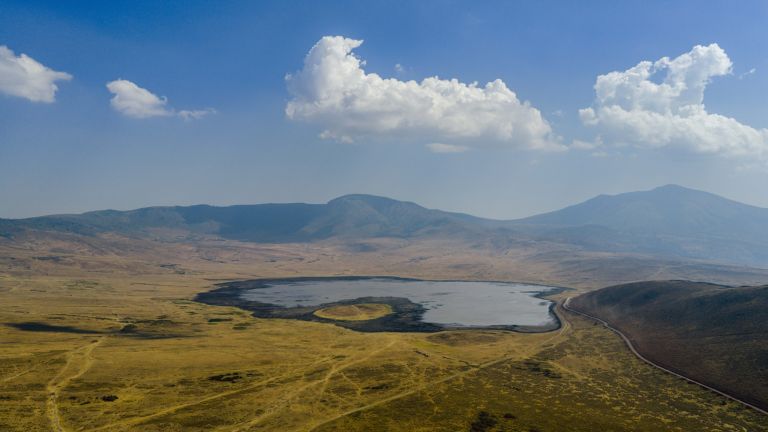
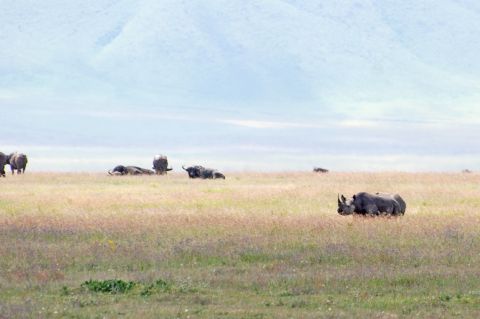
Then the road climbs onto the Ngorongoro highlands, where the air turns cool. On the last morning you drive down into Ngorongoro Crater, spend the best hours on the crater floor and are back in Arusha by evening.
Why it works as a short safari
Both parks sit off the same road, so the time goes on wildlife rather than transfers. There are no internal flights, and the longest drive is the 3 to 4 hours back to Arusha on the final afternoon. That makes it a good fit after a Kilimanjaro climb, before a week on the coast, or when you only have a long weekend.
The trade-off is simple. There's no Serengeti on this trip. If the Serengeti matters to you, the 5-day classic safari starts the same way and adds two nights there.
Comfort and luxury versions
As written, this is a comfort-level safari. You sleep in a mid-range tented camp or lodge near Tarangire, then in a mid-range lodge in the Karatu area of the highlands. The vehicle is private either way, so you decide how long to stay at a sighting.
On the luxury version you move to a smaller camp inside or beside Tarangire and a lodge or camp on the crater rim. The rim stay is the change you'll notice most. You wake up a short drive from the descent road instead of starting out from Karatu.
When to go
Tarangire is at its best in the dry season, roughly June to October, when the river is the main water for miles and animals crowd along it. January and February are good too. In the long rains, around April and May, much of Tarangire's wildlife spreads out onto the surrounding plains and some tracks turn muddy.
The crater holds wildlife all year. It's the steadier half of the trip. For a month-by-month view, read best time to visit Tanzania.