
Skip to content
Untamed Safari Experience
A red dirt track through the groundwater forest of Lake Manyara National Park

National park / reserve

Lake Manyara National Park

A narrow park between the Rift Valley escarpment and a shallow soda lake, with groundwater forest, baboon troops, elephant and, in some years, flamingo along the shore. An easy first or last game drive.

At a glance

Our journeys here
2 safaris
Time spent here
1 day
Journey length
6–7 days

Between the escarpment and the lake

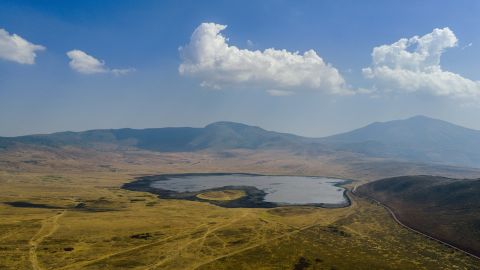
Lake Manyara National Park is a narrow strip of land between the wall of the Rift Valley escarpment and the shallow, alkaline Lake Manyara. Drive in from the gate near Mto wa Mbu and within minutes you're under tall fig and mahogany trees. This is groundwater forest, fed by springs seeping out at the foot of the cliffs, and it stays cool and green when the country outside is dry.

Further south the forest opens into acacia woodland, grassy floodplain and the lakeshore. It's small next to its neighbours, and that's the point. You can see most of it in a single day, and the road from Arusha is tarmac all the way.

Wildlife and landscape highlights

  • Primates: large olive baboon troops along the forest roads, and blue monkeys in the canopy.
  • Elephant and buffalo: in the forest and along the streams that run down from the escarpment.
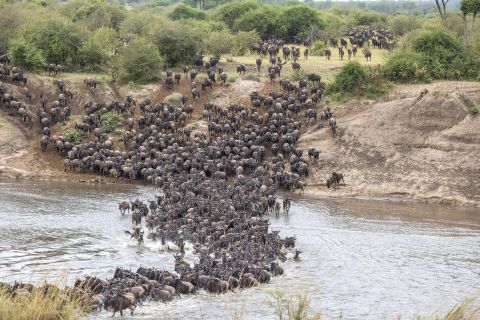
  • Plains game: giraffe, zebra, wildebeest and impala on the open grassland near the lake.
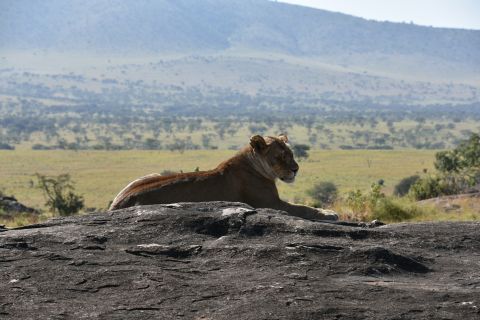
  • Lions: Manyara's lions are known for resting in trees. It happens, but not reliably, so treat it as a bonus.
  • Birds: hundreds of species, including pelicans, storks and, when the water suits them, flamingo. The silvery-cheeked hornbill is usually heard in the forest before it's seen.

At the southern end of the park, hot springs bubble up at the base of the escarpment. Hippo spend the day in the pools near the lakeshore.

Best time to visit

  • June to October: dry season and the best time for mammals, which concentrate near the streams and the lake.
  • November to March: green season, with the short rains usually in November and December. The forest is at its best, waterfalls run down the escarpment and migrant birds arrive.
  • April and May: the long rains. Some tracks get muddy, but the park is green and quiet.

The lake rises and falls from year to year, and flamingo numbers follow it. Some years there are thousands along the shore. Some years there are very few.

How long to stay

A half-day or full-day game drive covers the park well. Most people spend the night in the Mto wa Mbu area or up on the escarpment, or carry on to Karatu, under an hour away.

Where it fits on a northern-circuit route

Manyara sits right on the road from Arusha to the Ngorongoro highlands, about 2 to 3 hours from Arusha. That makes it an easy first or last game drive, or an alternative to Tarangire when time is short. It appears on routes such as the 4-day northern circuit safari and the 5-day classic Tanzania safari. The short distances also suit a family safari with younger children.

Mto wa Mbu deserves a stop of its own. The name means "river of mosquitoes" in Swahili, and it's a busy market town where people from many different communities farm bananas and rice. Village walks can be arranged where available; see cultural experiences.

Practical notes

  • Temperature: the park sits low, at the foot of the escarpment, and is warmer than Karatu. The forest can feel humid.
  • Tsetse flies: occasionally present in wooded areas. Neutral colours help.
  • Where you stay: comfort-level lodges on the escarpment above the park look out over the lake, and there are tented camps and lodges around Mto wa Mbu. Many luxury itineraries base you in the highlands near Karatu instead.
  • Combining parks: if you only have time for one of Manyara and Tarangire, choose Tarangire in the dry season and Manyara in the green months.

Plan your time

Through the year

Best months to visit

Best months to visit: January, February, June, July, August, September, October

  • Dry season Jun–Oct

    The best months for mammals, which gather near the streams and the lakeshore. Clear skies, dusty tracks and comfortable mornings.

    Dry season

    Dry season: June, July, August, September, October

  • Short rains and green season Nov–Mar

    Showers usually fall in November and December. The groundwater forest is at its greenest, waterfalls run down the escarpment and migrant birds arrive.

    Short rains and green season

    Short rains and green season: January, February, March, November, December

  • Long rains Apr–May

    The wettest months. Some tracks get muddy and slow, but the park is lush and very quiet.

    Long rains

    Long rains: April, May

Things to do here

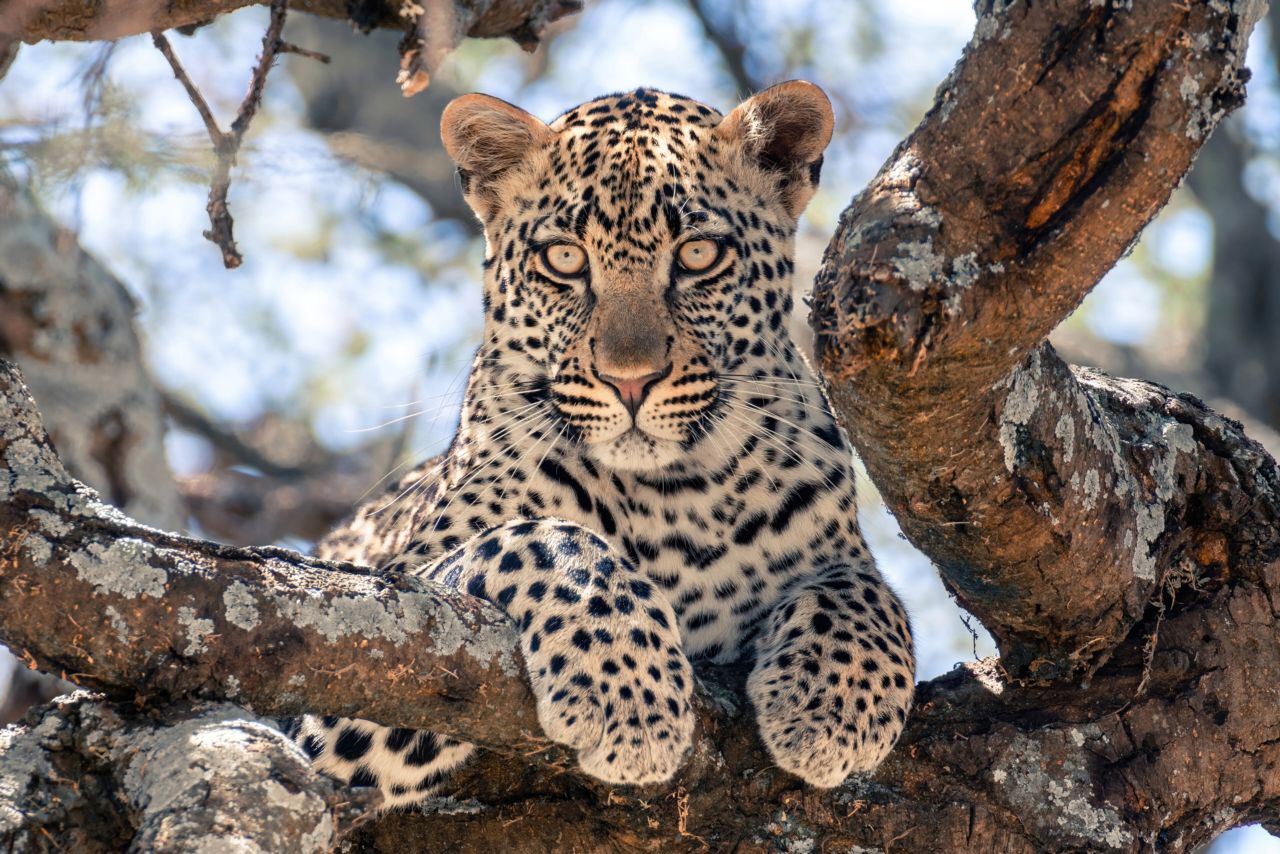
A leopard lying along the branch of a tree, looking at the camera

6 days · Private · Mid-range

6-Day Serengeti and Ngorongoro Safari

Lake Manyara on the way to the Ngorongoro highlands, three nights in the central Serengeti with two full days there, then a night near the crater and a morning on the crater floor. A private, comfort-level safari for travellers who want more Serengeti time.
Questions travellers ask

Will we see the tree-climbing lions in Lake Manyara?

Possibly, but don't plan your trip around it. Manyara's lions are known for resting in the branches of acacia and fig trees, yet sightings are irregular and some visitors see no lions at all. Lions climb trees in other parks too, including Tarangire and the Serengeti. Treat it as a bonus and enjoy the forest, the baboons and the birds.

Should we choose Lake Manyara or Tarangire for a short safari?

In the dry season, from June to October, Tarangire usually has more animals, especially elephant. In the green months, Manyara's forest and birdlife are at their best and it's closer to the Ngorongoro road. Manyara also suits families with young children, since it's compact and the drives are short. If you have the time, the two combine well in a single trip.

Are there flamingos on Lake Manyara?

Sometimes. Flamingo feed on Lake Manyara when the water level and salt content suit them, and numbers swing widely from year to year. In some seasons thousands line the shore; in others you may see only a scattering. Pelicans, storks and other water birds are more reliable. Your guide will know the recent picture before you go in.

Is half a day enough for Lake Manyara?

For many travellers, yes. A morning or afternoon game drive covers the forest, the hippo pools and part of the lakeshore. A full day lets you reach the hot springs in the south and take a picnic lunch in the park. It works best as a short stop on the way to or from the Ngorongoro highlands.

Plan a journey that includes Lake Manyara National Park

Tell us when you would like to travel and what matters to you. We will suggest how long to give Lake Manyara National Park and what to pair it with.