The shape of the trip
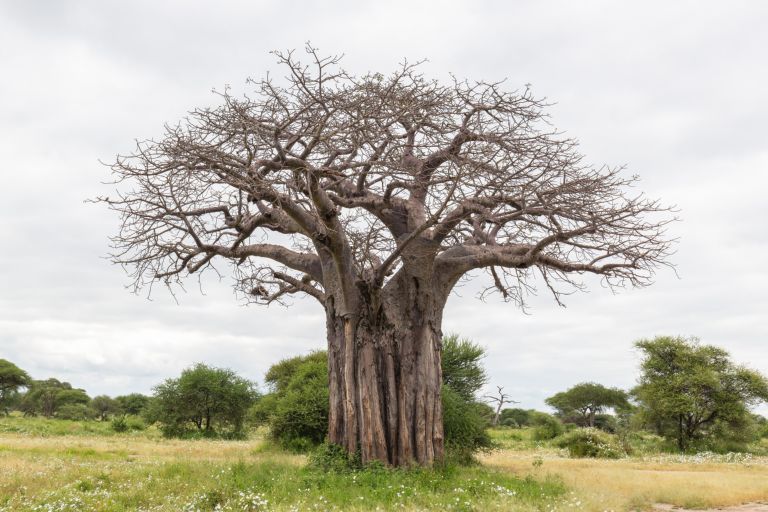
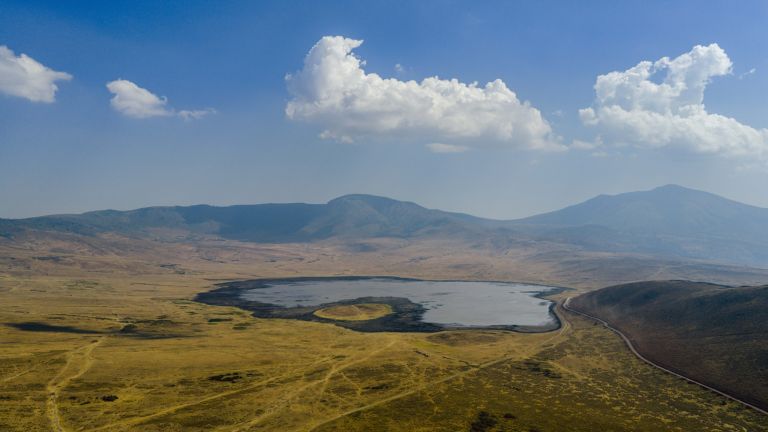
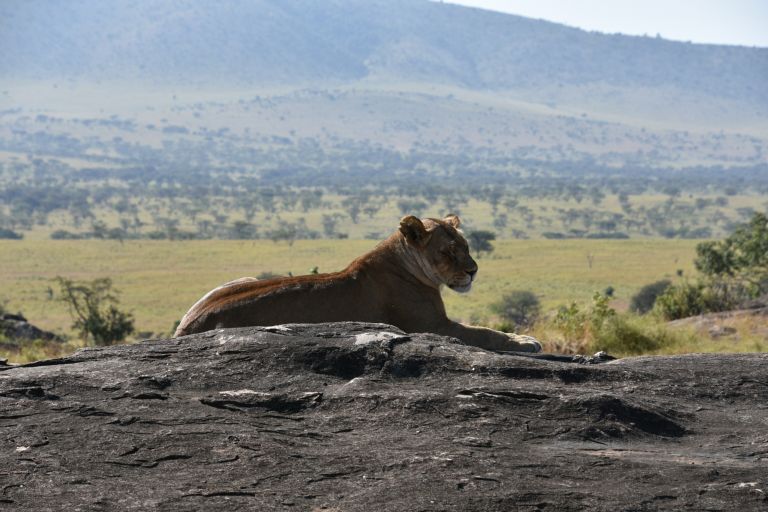
Eight days, seven nights, and every stay at least two nights long. You spend two nights in Tarangire, two on the Ngorongoro crater rim and three in the central Serengeti. The last morning is a light-aircraft flight back to Arusha, an option we'd confirm when you book.
The pace is relaxed on purpose. Afternoons can go on a long lunch, a rest or a short walk where it's allowed. The vehicle is yours, so game drives start and end when you like.
What makes it premium
Not the thread count. Time, space and a private guide.
Two-night stays mean you unpack once per area, and full days without a transfer mean you can wait at a sighting instead of watching the clock. The camps on this version are smaller, with fewer guests sharing the views and the dining tent. Optional extras fit easily into the slack: a guided walk with an armed ranger where permitted, or a dawn balloon flight over the Serengeti, subject to availability.
The light-aircraft leg
Driving from the central Serengeti back to Arusha takes about 8 to 10 hours with stops. The flight takes a morning. It runs on scheduled light aircraft, which means seats have to be available on your date and luggage goes in soft bags within the airline's limit.
If you'd rather fly into the Serengeti as well, that can sometimes be arranged from the Lake Manyara airstrip, depending on schedules. Ask when you plan.
Comfort, luxury and ultra versions
As written, this is a luxury safari: a smaller camp in or beside Tarangire, a lodge or camp on the crater rim, and a premium camp in the central Serengeti. For the smallest, most exclusive camps, ask about the ultra version, which keeps the route and changes the stays.
A comfort version, with mid-range camps and a lodge in Karatu, works too. It usually drives back to Arusha rather than flying, which adds a long last day.
When to go
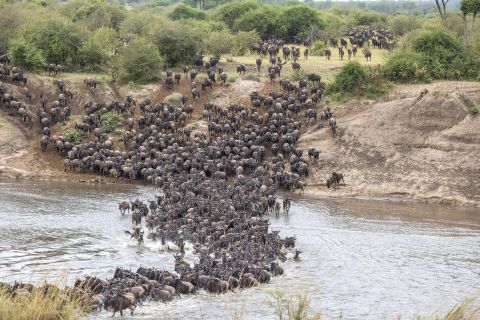
June to October is dry and clear, with Tarangire at its best. January and February are a good second window, when the migration herds are usually on the southern plains and within reach of a long day out. The long rains, roughly April and May, close some camps. For a comparison of what changes between levels, see safari comfort levels explained.