Calving season safari
A safari on the southern Serengeti and Ndutu plains from about January to March, when the wildebeest herds usually give birth and predators gather. The timing varies with the rains.
Birth season on the short-grass plains
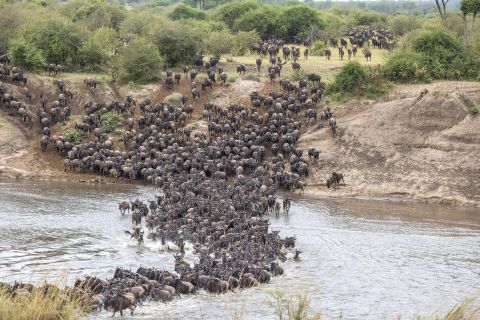
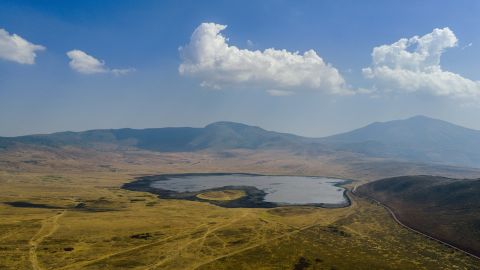
In most years the wildebeest herds spend roughly January to March on the short-grass plains of the southern Serengeti and the Ndutu area, on the edge of the Ngorongoro Conservation Area. The grass here grows on volcanic soils that make it especially nutritious, and this is where the herds give birth.
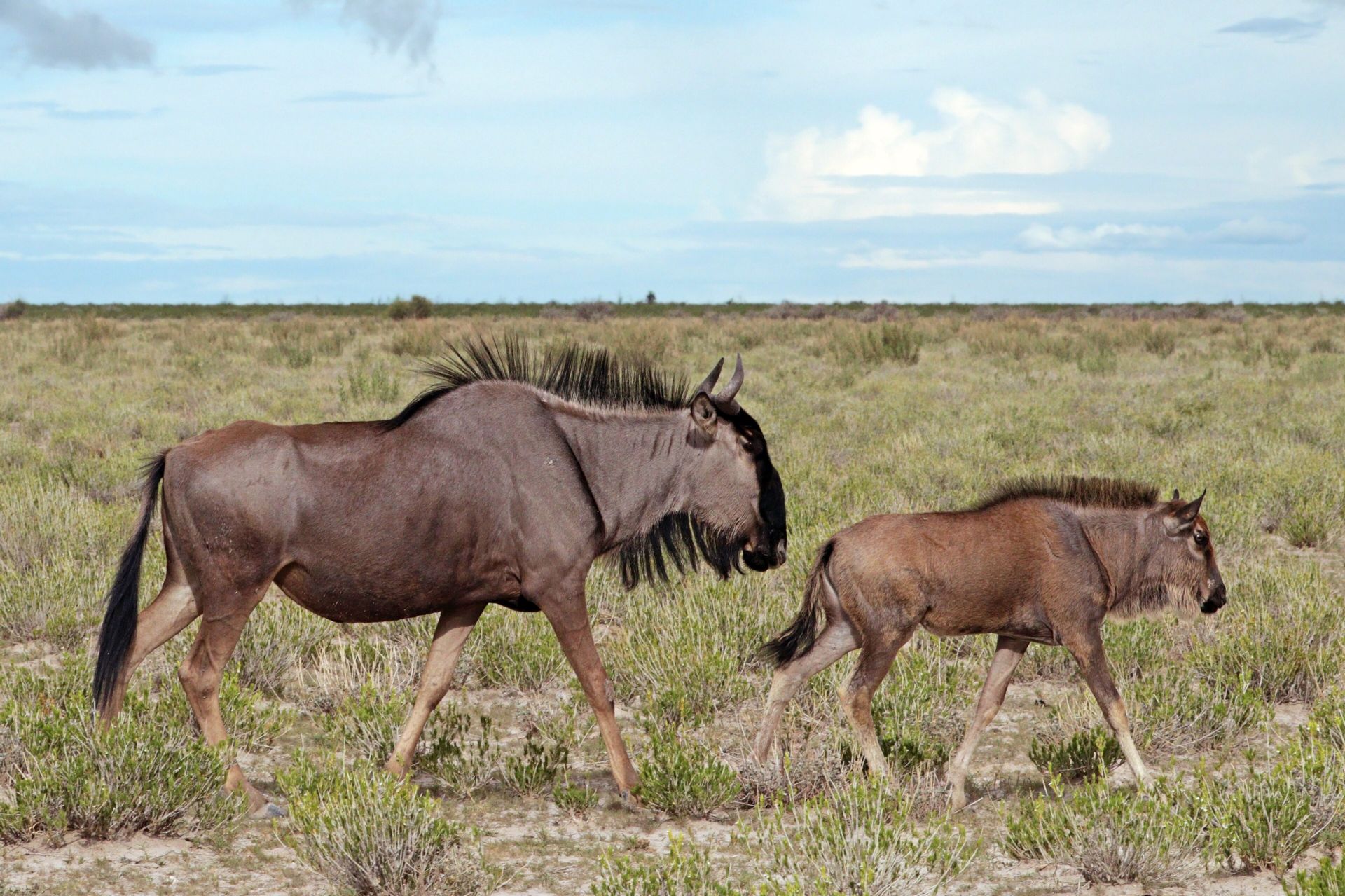
Calving tends to peak in February, when large numbers of calves are born within a few weeks. Wildebeest calves are usually on their feet within minutes of birth. Predators know the season too: lion, cheetah and spotted hyena follow the herds, and the plains are some of the most dramatic game viewing of the year.
The timing depends on the rains. If the short rains are late or weak, the herds may stay further north or arrive later.
Who it suits
Photographers, repeat visitors and anyone who wants to see predator behaviour and huge herds in open country. It's also a good choice for travellers who prefer the green season, with fresh grass and big skies.
What to expect day to day
Days start early, as your guide sets out to find where the herds have moved overnight. On the plains, they can shift a long way in a day, so drives can be long. Afternoon storms are common: a downpour, then clear air and some of the best light of the trip. Mornings are usually clear.
Comfort levels in calving season
Seasonal camps set up near Ndutu and on the southern plains for these months, at both comfort and luxury levels. Luxury camps tend to be smaller and more spread out. Comfort-level options are fewer in the south, so some routes base you in central Serengeti or near Ndutu and drive out each day. Book early: February is one of the busiest months in the south.
Practical considerations
- Rain: pack a light waterproof. Afternoon storms usually pass quickly.
- Roads: heavy rain can make tracks across the plains slow and muddy.
- Combining: the Ngorongoro Crater is close to Ndutu, and the two fit easily into one route.
The 7-day great migration safari can be timed for calving season, and the Serengeti page covers the wider park. For the rest of the year's pattern, see great migration safaris.
Tell us your dates on the plan your safari page and we'll suggest where to base yourself.
Journeys with this experience
Where it happens
Questions travellers ask
When is calving season in the Serengeti?
Calving usually happens between about late January and March on the southern Serengeti and Ndutu plains, with a peak in February in most years. The exact timing depends on the rains: if they arrive late or are weak, the herds may stay further north or calve later. Late January to late February is usually the safest window to plan around.
Will we see predators hunting during calving season?
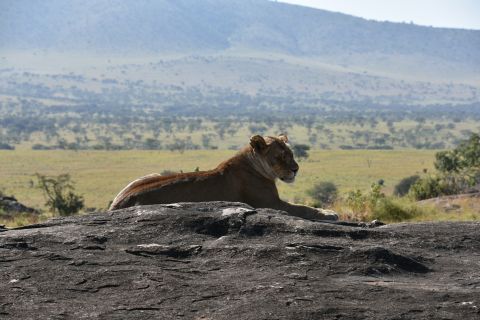
There's a good chance. Lion, cheetah and spotted hyena follow the herds onto the southern plains, and young calves are vulnerable. Hunts happen, but they're unpredictable and can be over in seconds or take hours to unfold. Some travellers find them hard to watch. Your guide will let you decide how long you want to stay at a sighting.
Is it very wet in calving season?
Not usually. January to March falls between the short and long rains, and most days are dry and sunny, with afternoon storms that pass quickly. Heavy rain can make some tracks across the plains slow and muddy. Pack a light waterproof and expect green grass, clear air after storms and dramatic skies for photography.
Build a journey around Calving season safari
Tell us when you would like to travel, and we will suggest where and when it fits best, and what to pair it with.