The shape of the trip
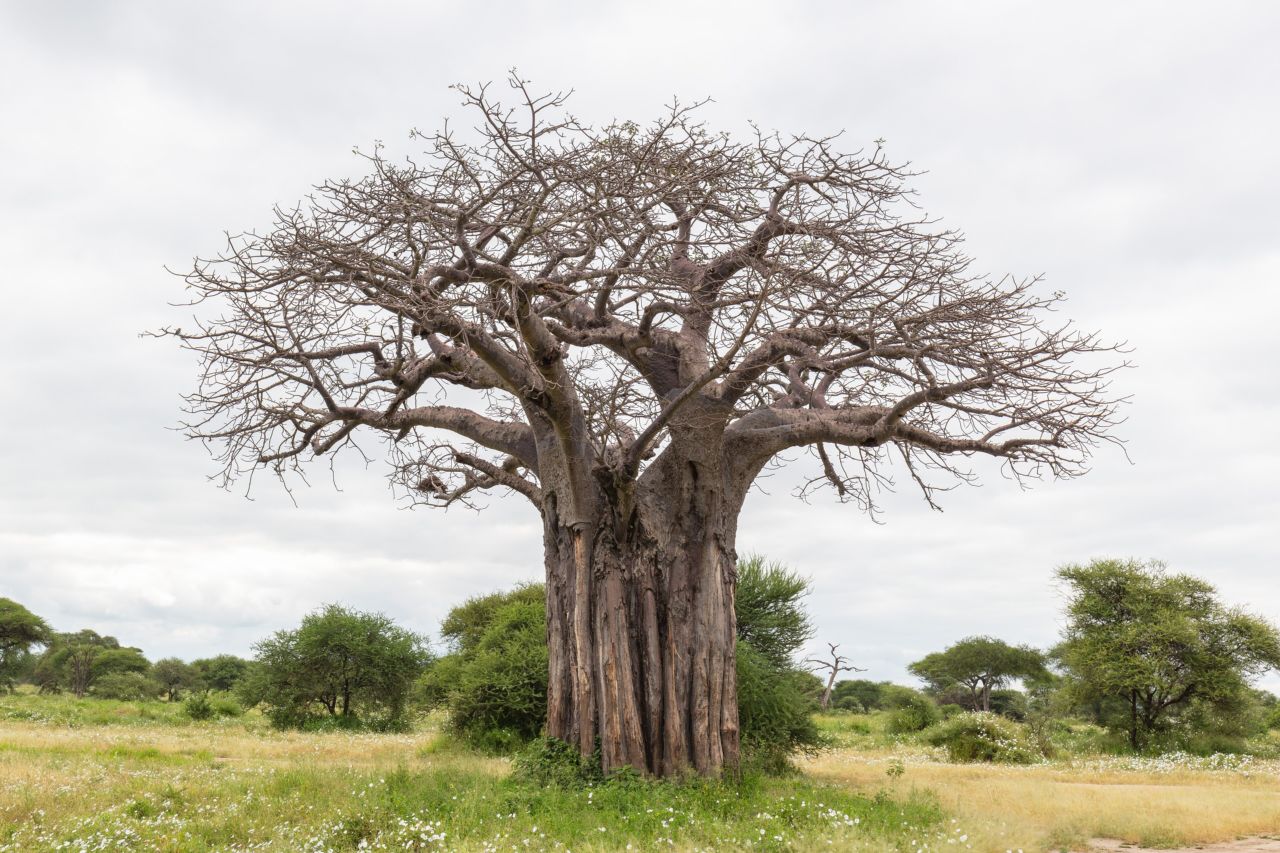
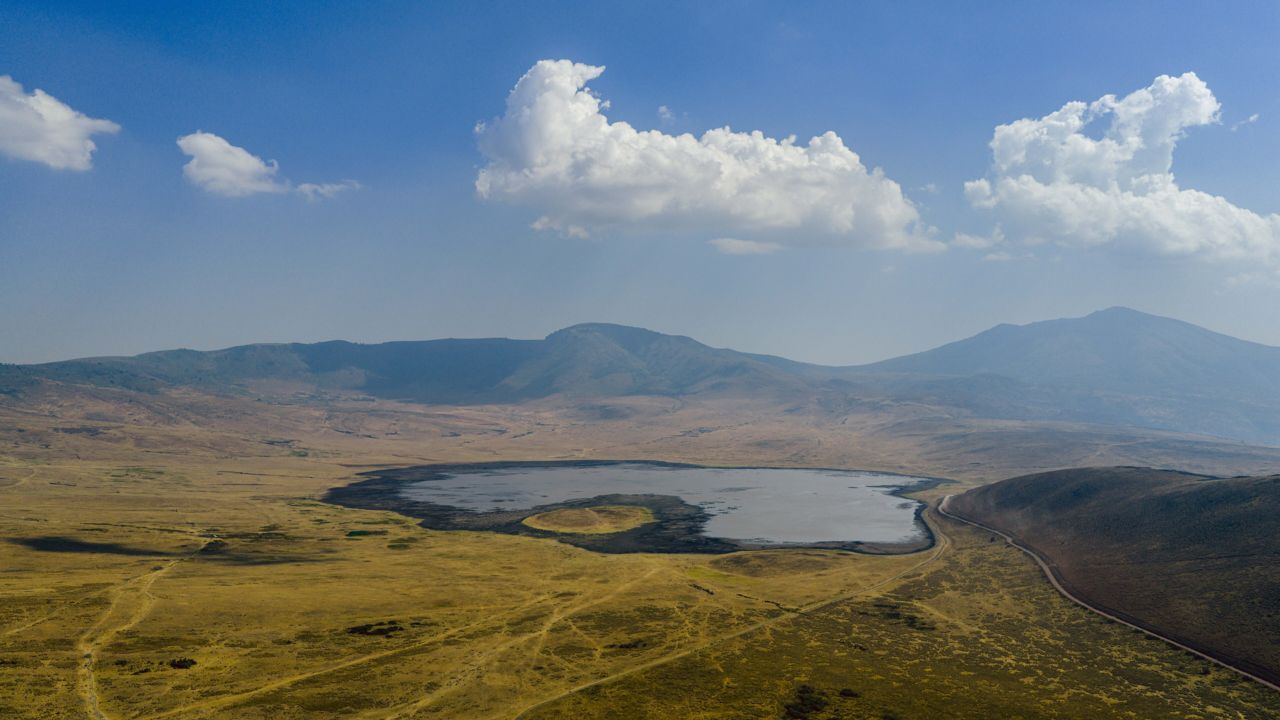
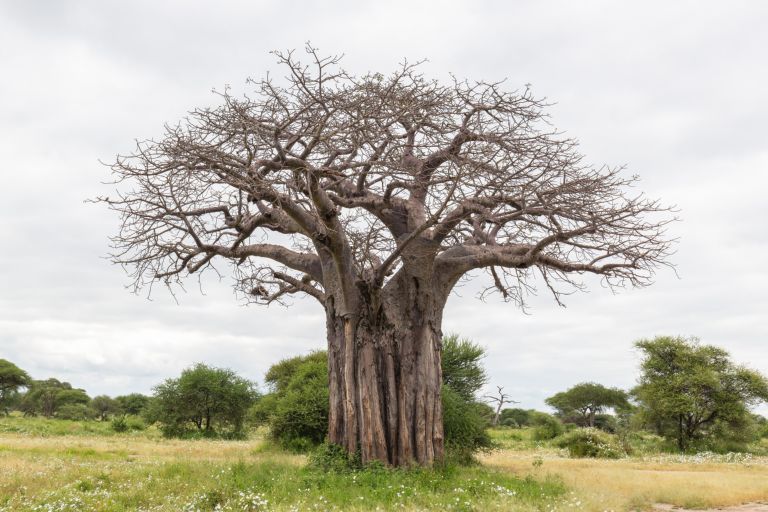
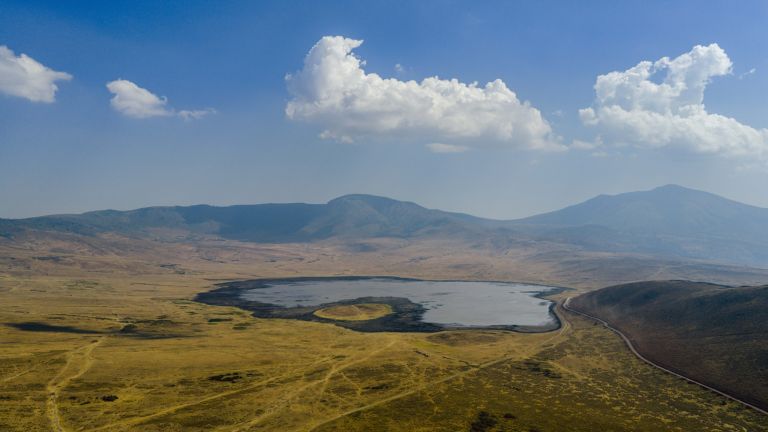
Four days, three parks, one night in each area. You start in Tarangire, cross the Ngorongoro highlands to the central Serengeti for a night, then come back east for a morning in Ngorongoro Crater before Arusha.
It's the classic northern circuit in the shortest time that still makes sense. We'll be straight about what that costs: days 2 and 3 are long days on the road.
The honest version of the drive
From Tarangire, the central Serengeti is roughly 6 to 8 hours by road, including game viewing once you're past Naabi Hill Gate. The way back to the highlands takes about 5 to 6 hours. Beyond the crater rim the roads are unsealed and corrugated.
You see plenty on the way, because the last stretch into Seronera is itself a game drive. Still, you'll spend more hours in the vehicle on this trip than on any other we propose. Two ways round it:
- Fly one way. A light-aircraft flight to a central Serengeti airstrip replaces most of the day 2 drive. It has to be planned around scheduled flights and around how your vehicle and guide meet you, so ask early.
- Add a day. The 5-day classic safari follows the same route with a second Serengeti night and a full day there with no transfer.
Comfort and luxury versions
As written, this is a comfort-level safari: mid-range tented camps or lodges near Tarangire and in the central Serengeti, and a mid-range lodge near Karatu. The luxury version uses smaller camps and a lodge or camp on the crater rim. It's also the version where the flight option makes the most sense, since it buys back time you'd otherwise spend on the road.
When to go
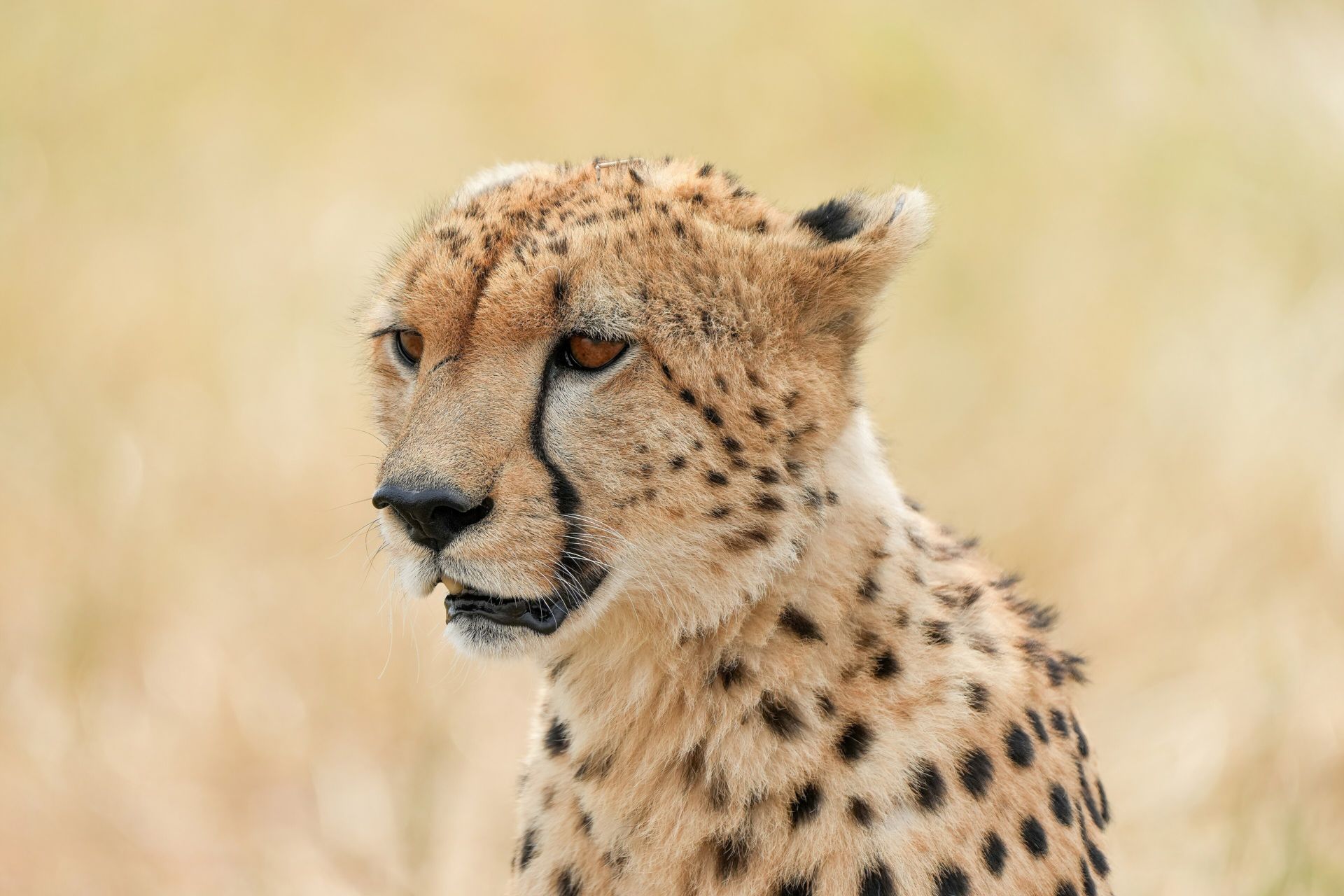
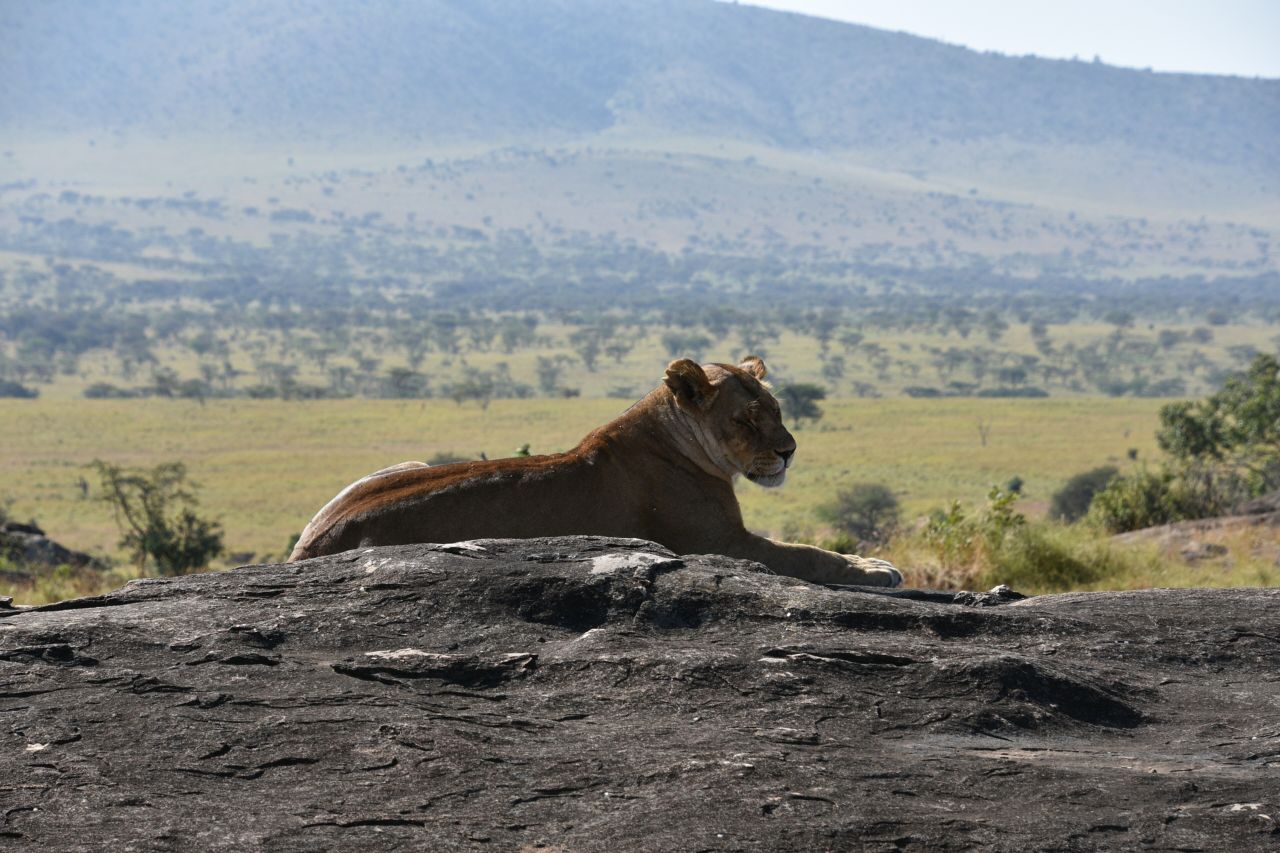
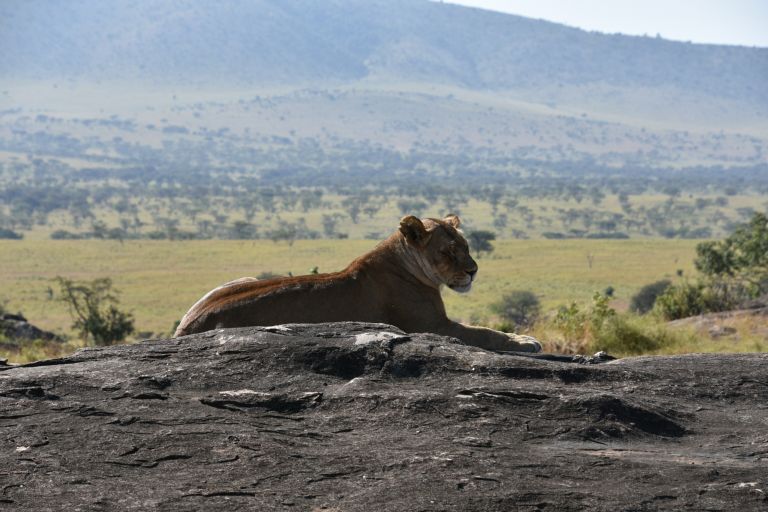
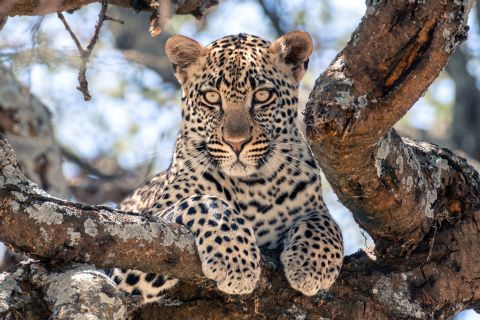
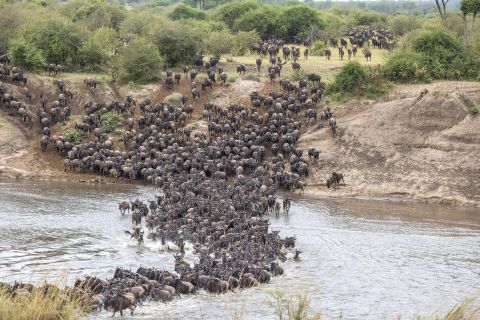
The central Serengeti has resident lions, leopards and cheetahs all year, so this route doesn't depend on the migration. Whether the herds are anywhere near Seronera depends on the month and on the rains. In many years they pass through central areas on their way west and again on their way south late in the year, but that's a bonus, not a plan. See the Great Migration month by month.
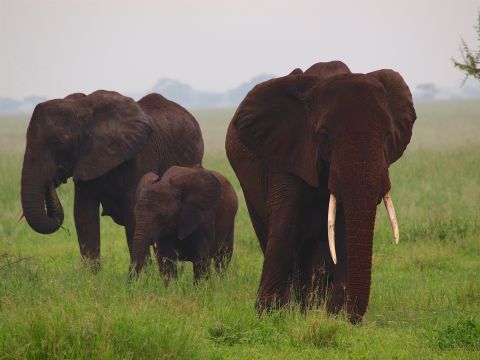
Tarangire is strongest from June to October. The long rains, roughly April and May, make the unsealed roads slower and the long days longer.