The shape of the trip
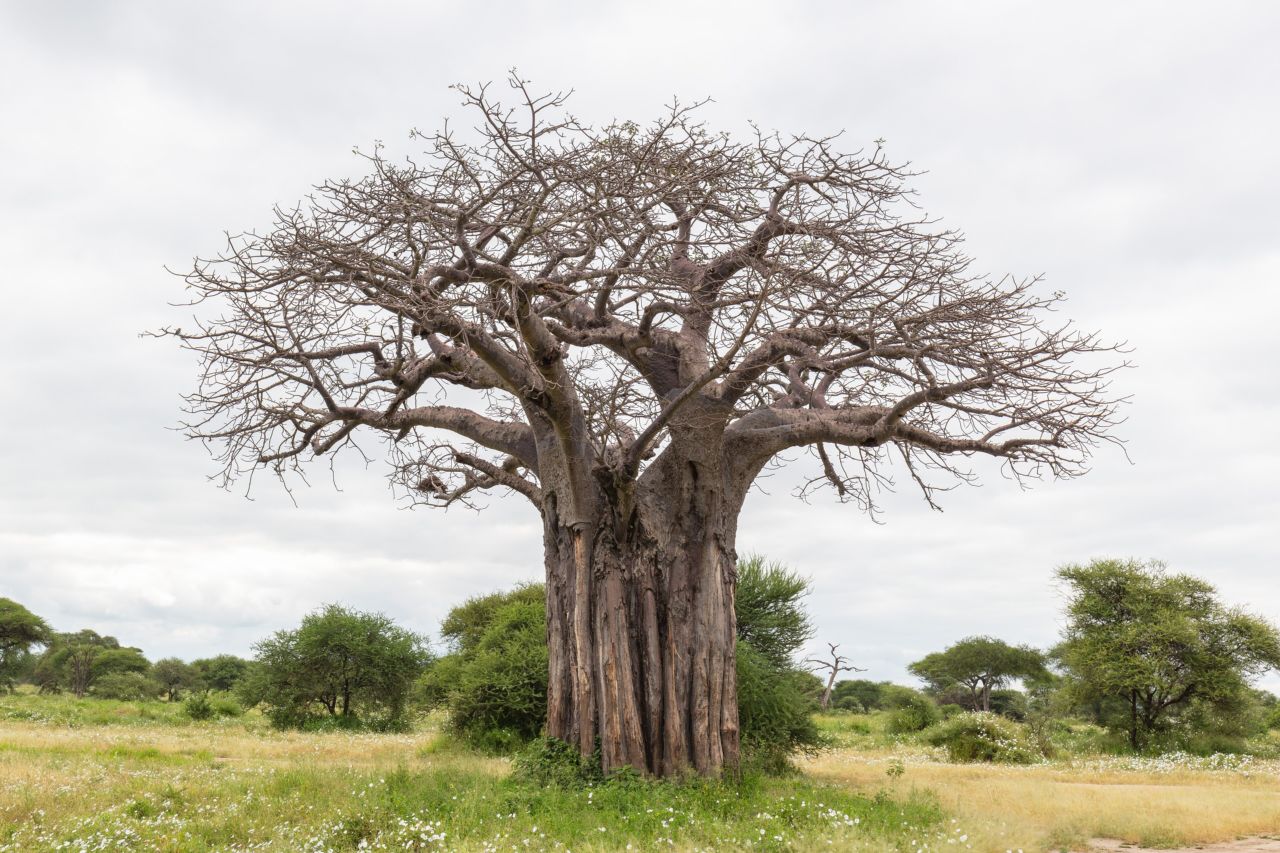
Twelve days, eleven nights, five places, nothing rushed. Tarangire for two nights, Lake Eyasi for one, the Ngorongoro crater rim for two, the central Serengeti for three, and a final three nights in the part of the Serengeti that suits your month. At the end, a light-aircraft flight takes you back to Arusha.
Why it's slow
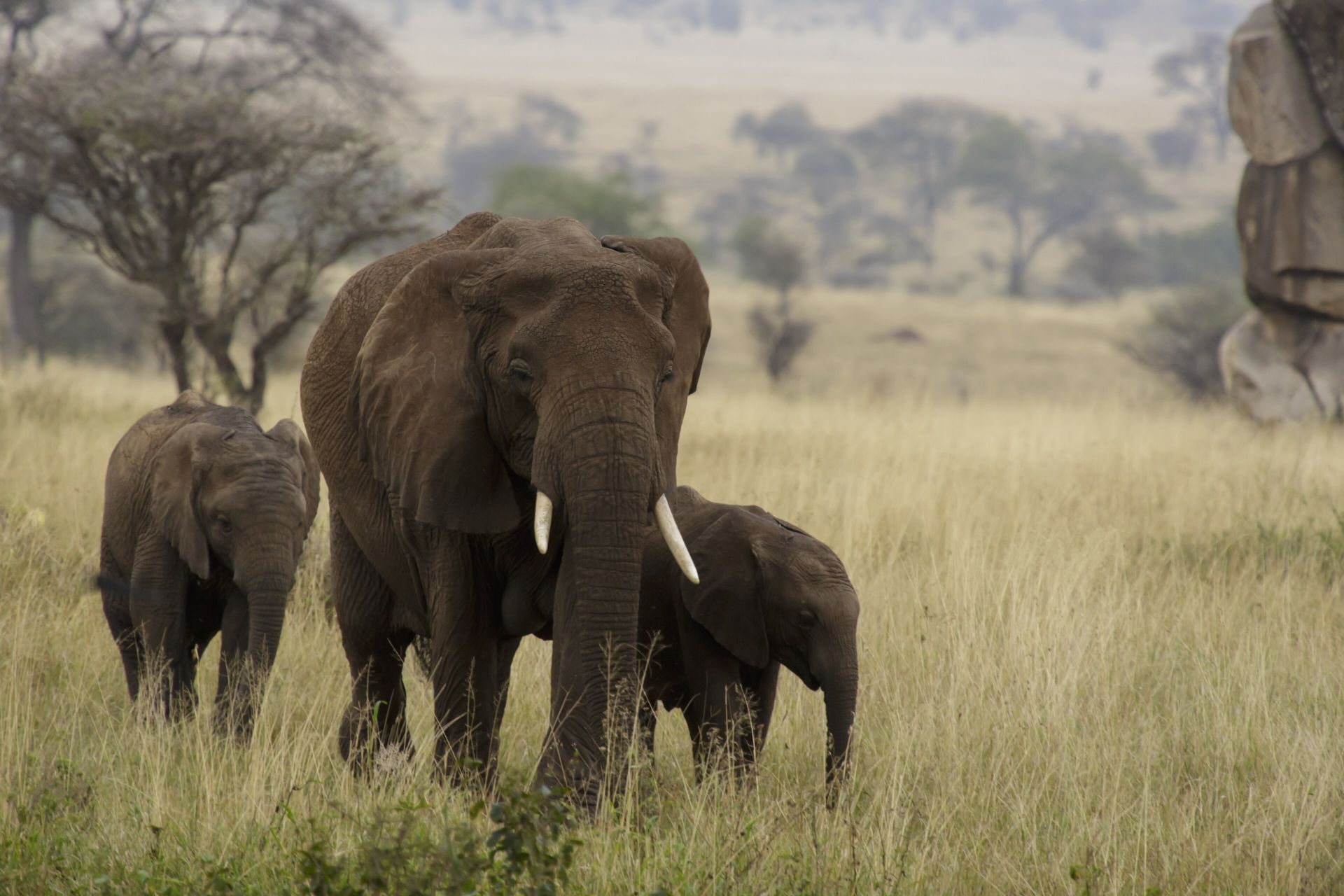
Most stays are two or three nights, so you rarely pack two mornings running. Most days have either a short transfer or none. That leaves room for the things a faster safari skips: a walk with an armed ranger in Tarangire where permitted, a long morning at a single sighting, an afternoon in camp with a book.
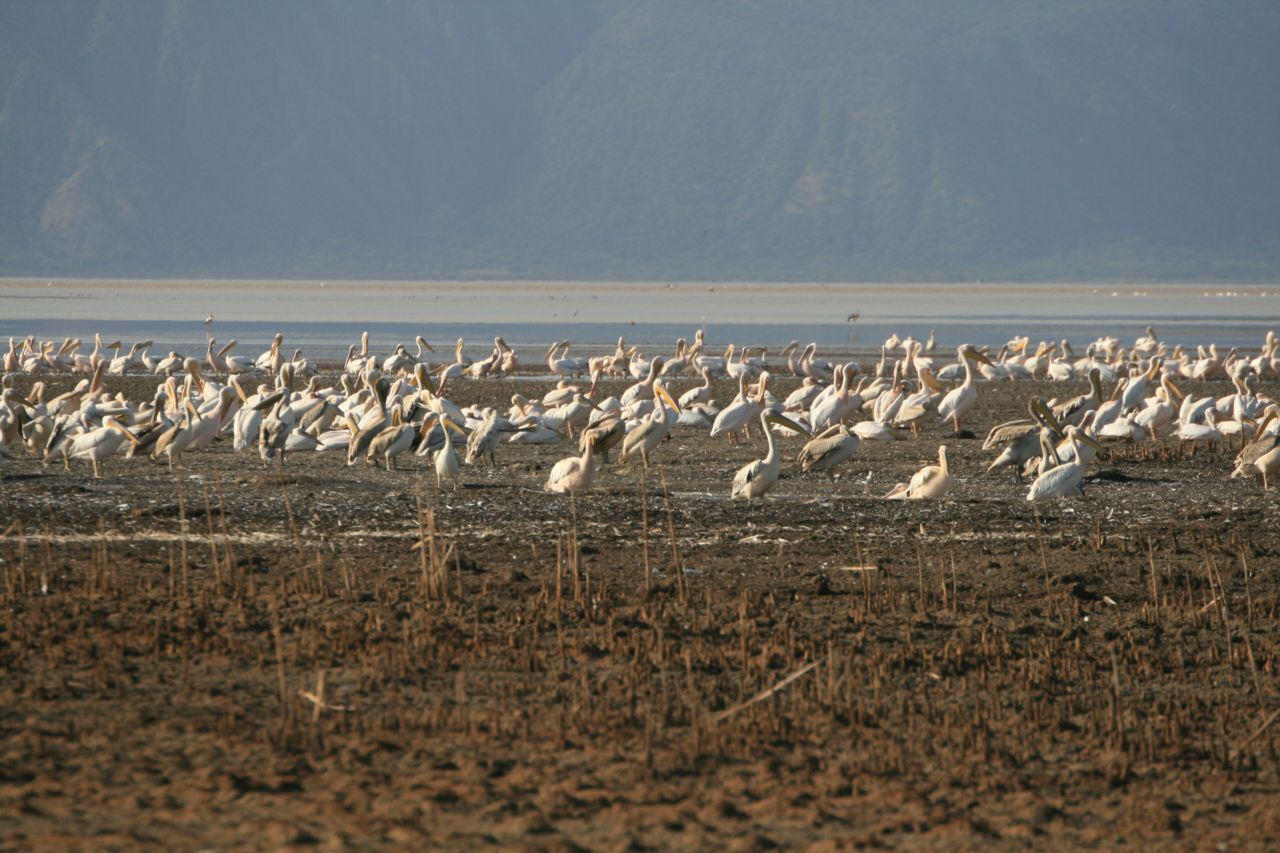
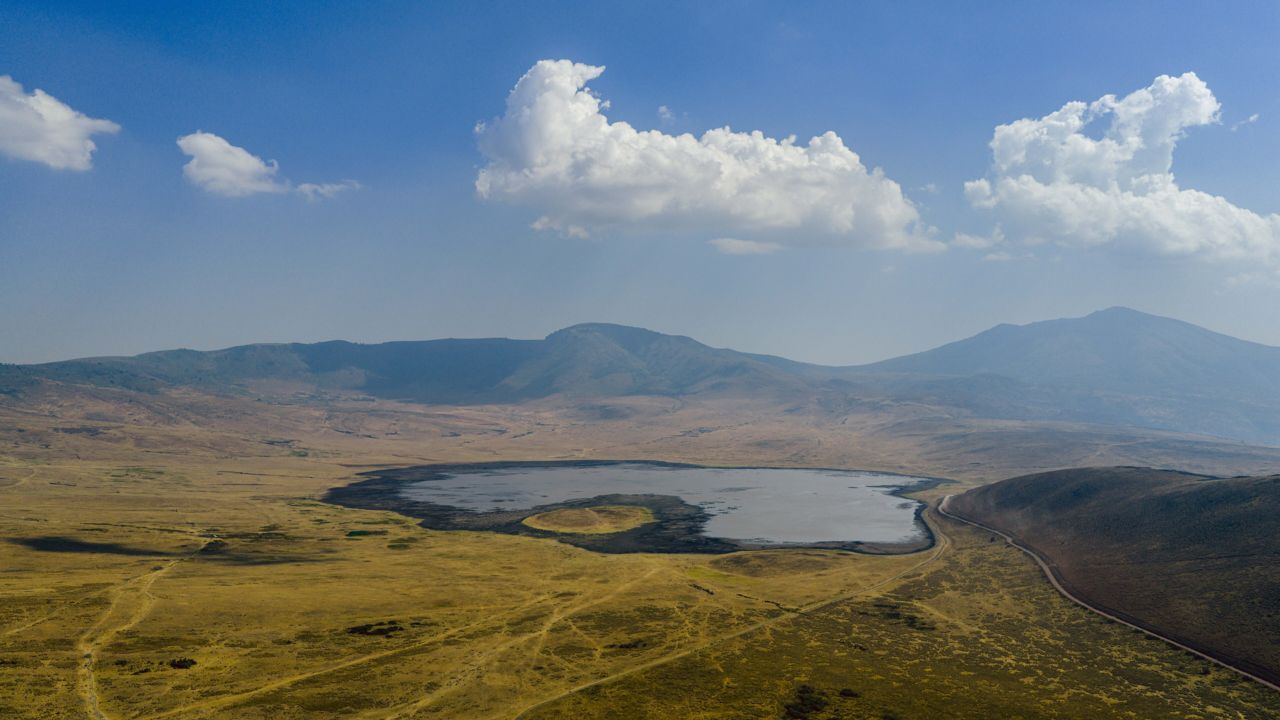
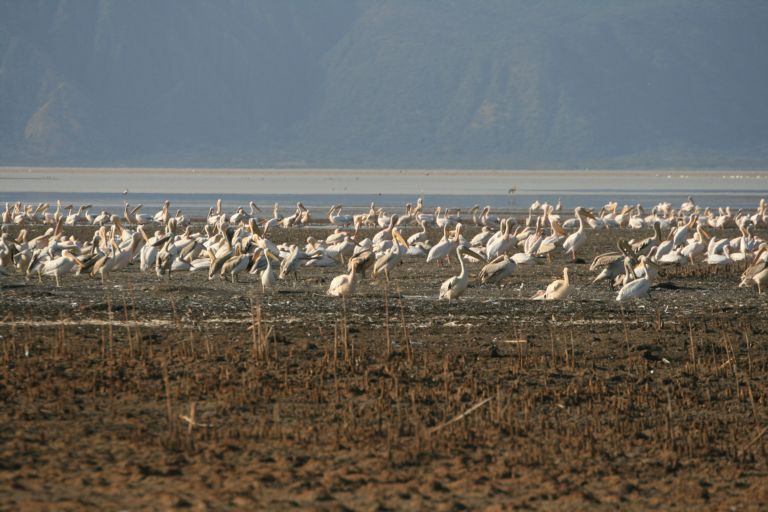
Lake Eyasi adds people to the wildlife. It's a soda lake below the Eyasi escarpment, home to Hadzabe hunter-gatherers and Datoga pastoralists. A visit is arranged with local guides where permitted, and it's optional. If you'd rather, Lake Manyara National Park can take its place.
The seasonal Serengeti
After three nights in the central Serengeti, you move to the area that suits your month. The herds' position varies with the rains, but as a pattern:
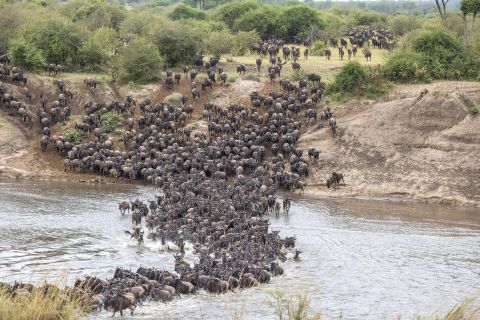
- July to October: the northern Serengeti and the Mara River, for possible river crossings.
- December to March: the southern plains around Ndutu, for the calving season. In these months the order may flip, with Ndutu before the central Serengeti.
- June: sometimes the western corridor, if the herds linger there.
Your camps are positioned to the migration's expected area for your month and confirmed close to your dates. See the Great Migration month by month for more.
Ultra and luxury versions
As written, this is an ultra-level safari: the smallest, most exclusive camps available on the route, private concessions where they exist, and a private vehicle and guide throughout. Fewer guests share each camp, and some offer walks or night drives that the parks themselves don't allow; those depend on the camp's location.
The luxury version keeps the route and the pace, with premium camps and lodges instead. It's a real alternative, not a lesser one. The time on the ground is the same.
When to go
The north from July to October and the south from January to March are the strongest months for this route. June works well with a western variation. The long rains, roughly April and May, close many of the smallest camps.