
How do you add Zanzibar to the end of a safari?
Zanzibar is a short domestic flight from Arusha or Kilimanjaro, which makes it the easiest beach to add after a northern Tanzania safari. Three to five nights suits most travellers. The north coast, around Nungwi and Kendwa, has smaller tides for swimming, while the east coast has long beaches and wide tidal flats. Stone Town is worth a night or two. The driest months are usually June to October and December to February.
Why Zanzibar works after a safari
Safari days start before dawn and end with dust in your hair. After a week of that, a few days of warm sea and slow mornings feels earned. Zanzibar is the natural place to have them, because it's close to the northern parks and very different from them.
Zanzibar is a semi-autonomous archipelago off the Tanzanian coast. Most visitors stay on the main island, Unguja, which most people simply call Zanzibar. Pemba, to the north, is quieter and less developed.
Getting there from the parks
The usual route is a short domestic flight from Arusha (ARK) or Kilimanjaro (JRO) to Zanzibar (ZNZ). Some scheduled light-aircraft services also link Serengeti airstrips with Zanzibar, usually with a stop on the way, which saves driving back to Arusha.
On light aircraft, luggage is usually limited to around 15 kg per person in a soft bag. Confirm the limit with your airline and pack the beach things inside it.
If you're arriving via Dar es Salaam, there's also a ferry across to Stone Town.
Choosing your coast
The coast you choose shapes the stay more than the hotel does, mostly because of the tides.
North: Nungwi and Kendwa
The northern tip has a smaller tidal range, so you can swim for most of the day. Kendwa faces west, which means sunsets over the water. It's also the busiest stretch, with more restaurants and more boats.
East: from Matemwe down to Jambiani
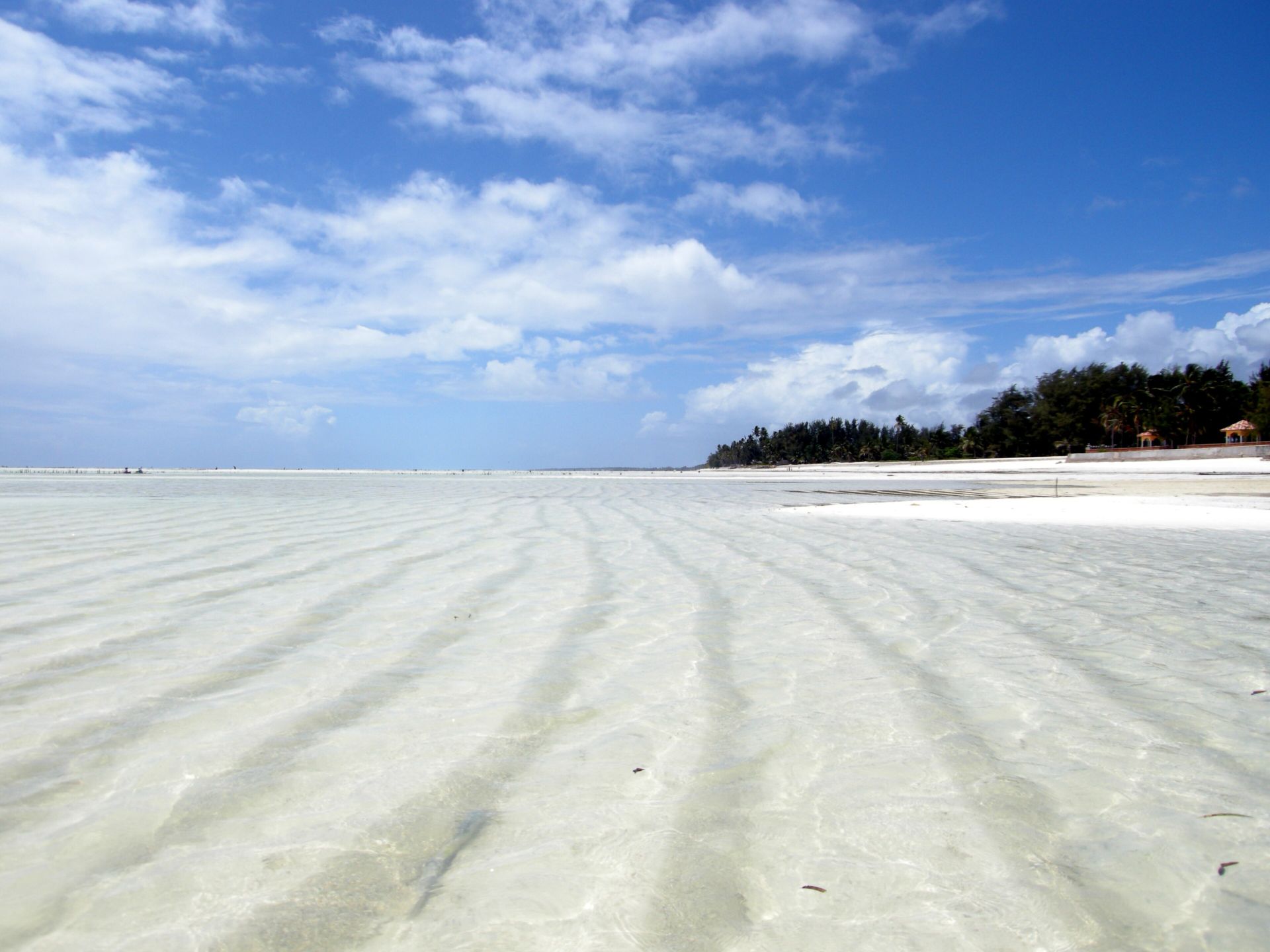
The east coast has long white beaches and a big tidal range. At low tide the sea pulls back a long way over reef flats and seagrass, and local women tend seaweed farms in the shallows. It's beautiful for walks. Swimming works best around high tide. Paje, on the south-east coast, is one of Zanzibar's main kitesurfing spots.
Stone Town
Stone Town, the old quarter of Zanzibar City, is a UNESCO World Heritage Site. Its narrow lanes, carved wooden doors, markets and Swahili, Arab, Indian and European buildings reward slow walking. One or two nights here, before or after the beach, is enough for most people.
Things to do beyond the beach
These can be arranged subject to availability and the weather:
- A guided Stone Town walk, including the Old Fort and the site of the former slave market beside the Anglican cathedral, a sobering and important visit.
- A spice farm visit, where you'll see cloves, nutmeg, cinnamon and vanilla growing and taste them fresh.
- Jozani Chwaka Bay National Park, home of the Zanzibar red colobus monkey, found nowhere else, and a mangrove boardwalk.
- Snorkelling or diving around Mnemba Atoll, off the north-east coast.
- A sunset sail on a dhow, the traditional wooden sailing boat of the coast.
A word on dolphin trips from Kizimkazi in the south: boats sometimes crowd and chase the animals. We'd rather you skipped it than joined a scrum, and if you do go, choose a responsible operator who keeps their distance.
How many nights
Three nights is the minimum we'd suggest for the beach alone. It gives you one full day to recover and one to enjoy. Four or five nights lets you add Stone Town or a day trip without rushing. Honeymooners often stay longer, and our honeymoon safari page shows how the two halves fit together.
When to go
Zanzibar's weather follows a similar pattern to the mainland. June to October is usually dry and breezy, a comfortable time on the coast. December to February is hot, humid and generally dry. The long rains around April and May are the wettest weeks, and some beach hotels close for part of that time. November's short rains tend to come as passing showers.
Ramadan dates move each year. During the month, many local restaurants close in daylight hours in Stone Town and the villages, while hotels carry on as normal. It's a good time to be especially mindful of dress and eating in public.
Respecting local customs
Zanzibar is a mostly Muslim society. In Stone Town and in villages, cover your shoulders and knees, and keep swimwear for the beach and the hotel. Ask before you photograph anyone. Alcohol is served in hotels and tourist restaurants but not everywhere. Small courtesies, such as a "jambo" or an "asante", go a long way.
Entry and health notes
Zanzibar may have entry requirements of its own on top of those for mainland Tanzania. Check the official Zanzibar government information and your insurer's terms before you fly. Malaria is present on the islands too, so follow the advice of your travel health clinic.
Putting it together
Our 10-day Tanzania safari and Zanzibar shows one way to combine the parks and the coast. The Zanzibar beach extension page explains how we add the island to any safari, and the Zanzibar destination guide covers the island in more depth. Check the packing list for beach extras.